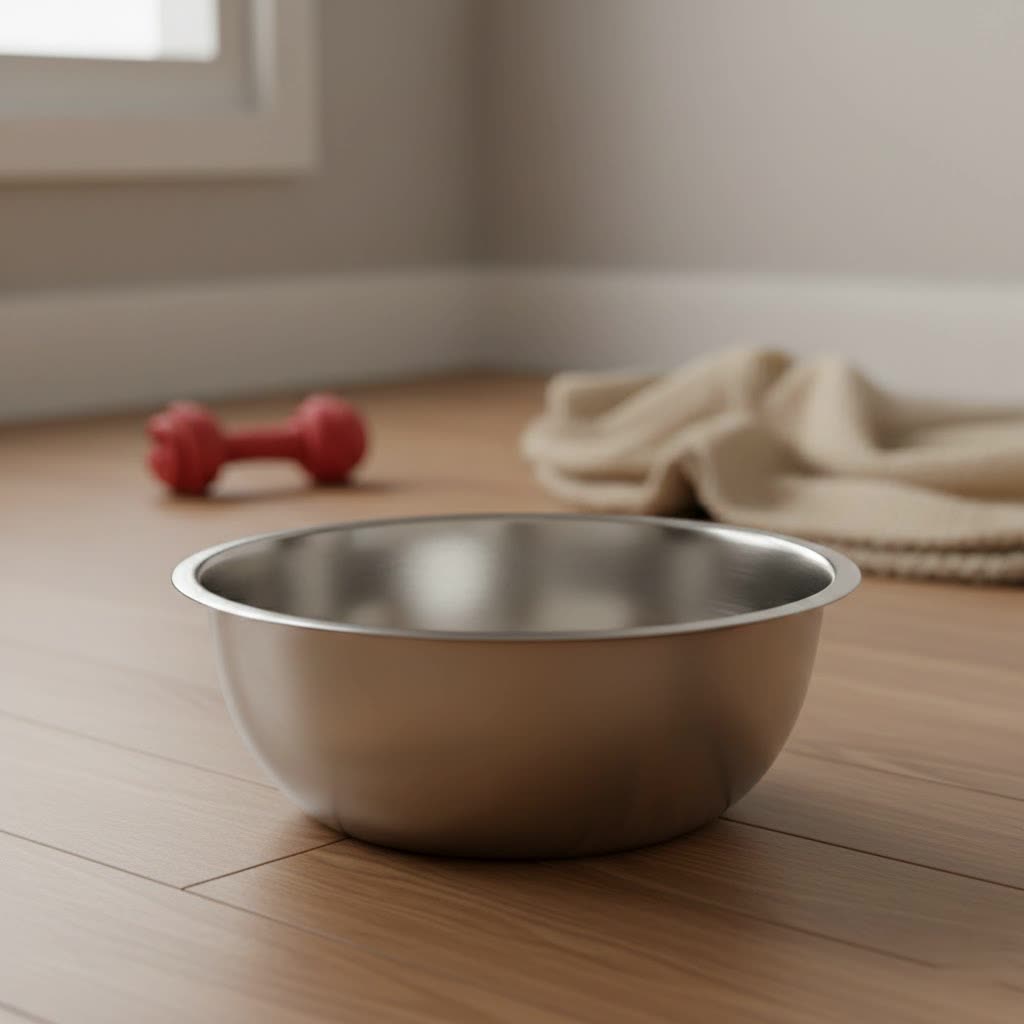
Have you ever found yourself in the middle of a baking frenzy, only to realize your mixing bowl is far too small for that ambitious batch of dough? Or perhaps you’re tossing a family-sized salad, and ingredients are spilling onto the counter with every turn? If so, it’s time to discover the world of the big mixing bowl – a kitchen essential that promises to revolutionize your culinary workflow. This comprehensive guide will delve into why larger capacity mixing bowls are indispensable, explore their various types, and provide expert advice on choosing and maintaining the perfect one for your home or professional kitchen.
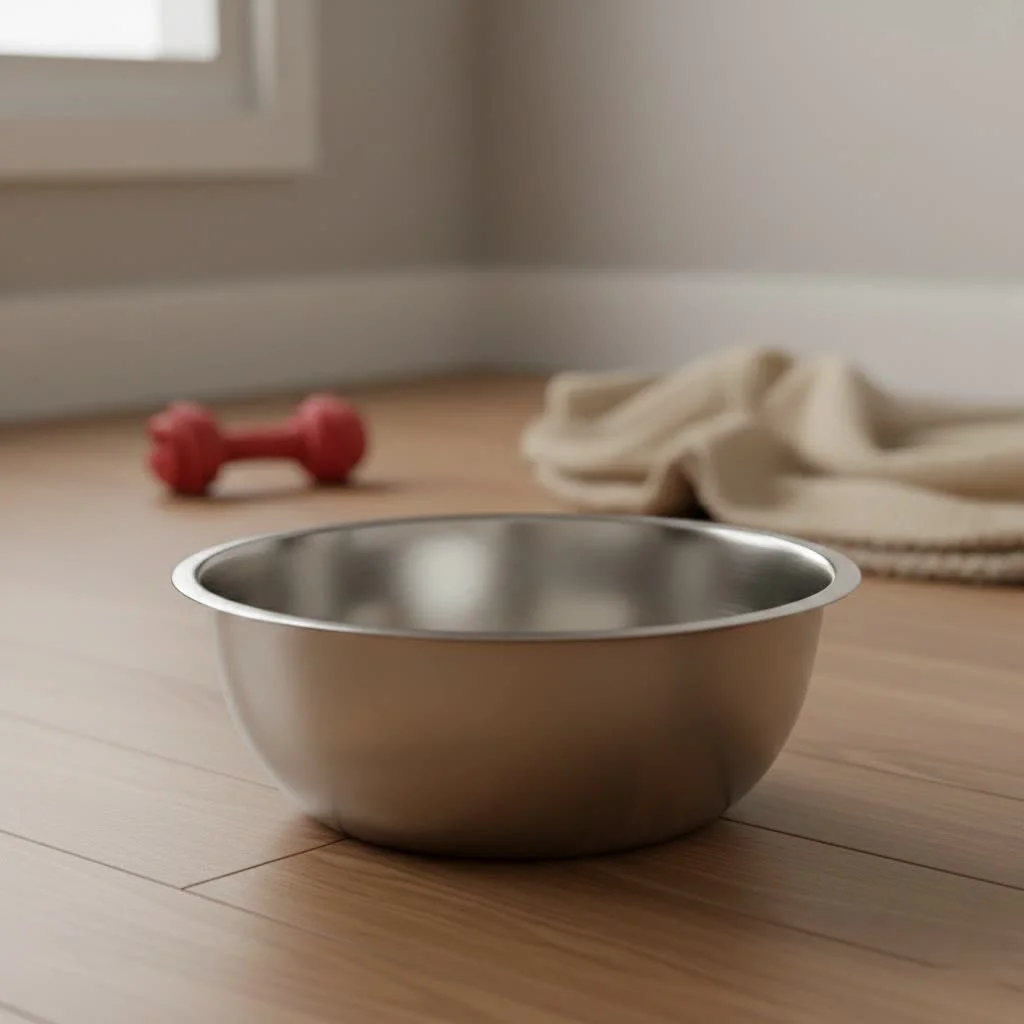
What is a Big Mixing Bowl?
At its core, a mixing bowl is a fundamental kitchen utensil designed for combining ingredients. A “big mixing bowl,” however, takes this utility to the next level, offering substantial capacity for larger culinary tasks. These oversized vessels are engineered to accommodate significant volumes of ingredients, providing ample space for vigorous mixing, kneading, and tossing without the worry of overflow. From preparing large batches of cookie dough to brining a holiday turkey, a big mixing bowl is defined by its generous dimensions and robust construction, enabling efficient and mess-free food preparation. While their basic function remains constant, the evolution of mixing bowls has seen them adapt from simple utilitarian vessels to specialized tools featuring ergonomic designs and advanced materials.
Why Every Kitchen Needs a Big Mixing Bowl (Beyond Just Mixing)
A large mixing bowl is far more than just a container for combining ingredients; it’s a versatile workhorse that can simplify numerous kitchen tasks and expand your culinary capabilities.
Tackling Large Batches with Ease
For bakers, a big mixing bowl is an absolute game-changer. Kneading substantial bread doughs, mixing multiple batches of cookie batter, or whipping up large quantities of meringue becomes effortless when you have ample room to work. The generous volume prevents ingredients from spilling over, making the process cleaner and more efficient.
Mess-Free Preparation
Anyone who has ever tried to toss a large salad in a standard bowl knows the struggle of rogue lettuce leaves and dressing splashes. A deep, wide mixing bowl provides the necessary containment for aggressive stirring, whisking, or tossing, keeping ingredients securely inside. This is particularly beneficial for tasks like whipping cream, incorporating sticky batters, or marinating large cuts of meat or vegetables.
A Versatile Kitchen Workhorse
Beyond its primary mixing function, an oversized mixing bowl boasts an array of practical uses:
- Ice Baths: Its size makes it ideal for creating ice baths to rapidly chill custards, sauces, or blanched vegetables, crucial for food safety and texture.
- Serving: A beautifully designed large mixing bowl, especially glass or ceramic options, can double as an elegant serving dish for family-style salads, pasta, or popcorn during gatherings.
- Temporary “Garbage Bowl”: During intensive prep work, a big bowl can serve as a convenient receptacle for peels, scraps, and discarded items, keeping your workspace tidy and streamlined.
- Brining and Soaking: It provides the volume needed for brining poultry or soaking dried beans and grains.
- Dough Proofing: The spacious environment is perfect for allowing bread dough to rise, offering sufficient room for expansion.
Popular Types of Big Mixing Bowls
Big mixing bowls come in various materials, sizes, and with distinct features, each offering unique advantages for different culinary applications.
By Material
|
Our Picks for the Best Mixing Bowl in 2026
As an Amazon Associate I earn from qualifying purchases.
|
||
| Num | Product | Action |
|---|---|---|
| 1 | Pyrex Essentials (3-Piece) Glass Mixing Bowls Set For Prepping, Baking and Cooking, Preheated Oven, Dishwasher, Freezer, and Microwave Safe |

|
| 2 | WHYSKO Meal Prep Stainless Steel Mixing Bowls Set, Home, Refrigerator, and Kitchen Food Storage Organizers - Ecofriendly, Reusable, Heavy Duty (Khaki) |
|
| 3 | WHYSKO Meal Prep Stainless Steel Mixing Bowl (5-Piece Set) Home, Refrigerator, and Kitchen Food Storage Organizers - Ecofriendly, Heavy Duty, No Lids |
|
| 4 | WHYSKO Meal Prep Stainless Steel Mixing Bowls Set, Home, Refrigerator, and Kitchen Food Storage Organizers - Ecofriendly, Reusable, Heavy Duty (Black) |
|
| 5 | WHYSKO Meal Prep Stainless Steel Mixing Bowls Set, Home, Refrigerator, and Kitchen Food Storage Organizers - Ecofriendly, Reusable, Heavy Duty (Gray) |
|
| 6 | Pyrex Sculpted (3-Pack) Glass Mixing Bowls Set With Lids For Prepping, Baking and Cooking, Preheated Oven, Dishwasher, Freezer, and Microwave Safe |
|
| 7 | Winco , 8-Quart, Stainless Steel (MXB-800Q) |
|
| 8 | WHYSKO Meal Prep Stainless Steel Mixing Bowls Set, Home, Refrigerator, and Kitchen Food Storage Organizers - Ecofriendly, Reusable, Heavy Duty (Blue) |
|
| 9 | WHYSKO Meal Prep Stainless Steel Mixing Bowls Set, Home, Refrigerator, and Kitchen Food Storage Organizers - Ecofriendly, Reusable, Heavy Duty (Light Blue) |
|
| 10 | Priority Chef Premium Mixing Bowls With Lids Set, Airtight Lids, Thicker Stainless Steel, Non-Slip Base, 5 Nesting Steel Bowls for Kitchen, Large Prep Metal Bowl Set 1.5/2/3/4/5 Qt, Black |
|
The material of your mixing bowl significantly impacts its durability, weight, heat conductivity, and suitability for specific tasks.
Stainless Steel Big Mixing Bowls
Often the preferred choice for professional chefs and home cooks alike, stainless steel bowls are renowned for their robustness.
- Pros: Durable, lightweight, non-reactive to acidic ingredients, easy to clean, compatible with induction cooktops (for double boilers), often stackable for storage. They excel in heavy-duty mixing, brining, and can be used over heat for tempering chocolate.
- Cons: Can be noisy when vigorously mixing with metal utensils, may show fingerprints, and can scratch over time.
- Applications: Ideal for virtually any mixing task, particularly large-batch baking, general food prep, and commercial settings.
Glass Big Mixing Bowls
Glass bowls offer visual appeal and excellent functionality, particularly for precise tasks.
- Pros: Non-reactive, aesthetically pleasing for serving, microwave-safe, freezer-safe, and transparent, allowing you to easily monitor the mixing process.
- Cons: Heavier than stainless steel, prone to breaking if dropped or subjected to thermal shock, and can be less stable on counters without a non-slip base.
- Applications: Perfect for whisking eggs, melting ingredients in the microwave, serving salads, and general baking where visibility is an asset.
Plastic Big Mixing Bowls
Plastic bowls are a budget-friendly and lightweight option, often found in vibrant colors.
- Pros: Lightweight, affordable, durable against drops (less likely to shatter), and frequently come with lids for storage. Many are microwave and dishwasher safe.
- Cons: Can scratch easily, absorb odors, stain from certain foods (like tomato sauce), and may not be suitable for high heat. Less durable long-term than metal or glass.
- Applications: Excellent for everyday mixing, meal prep, kids’ baking projects, and casual serving.
Ceramic/Stoneware Big Mixing Bowls
These bowls combine functionality with a classic, often decorative, aesthetic.
- Pros: Heavy and stable on the countertop, excellent heat retention for dough proofing, attractive enough to go directly from kitchen to table for serving, and often available in beautiful glazes.
- Cons: Heavy, very prone to breaking or chipping if dropped, and typically more expensive than plastic or stainless steel. They often come as single bowls rather than sets.
- Applications: Ideal for dough rising, marinating, serving hearty salads or fruit, and adding a touch of elegance to your kitchen.
By Size
When we talk about “big” mixing bowls, we’re typically looking at capacities beyond the standard 2-3 quart range.
- Medium-Large (5-8 quarts / 4-7 liters): These are excellent for most family-sized baking and cooking tasks, such as mixing large cake batters, substantial salads, or a batch of meatballs.
- Large to Extra-Large (10-20 quarts / 9-18 liters): Perfect for ambitious baking projects, holiday meal prep, making large quantities for parties, or handling big batches of dough.
- Giant/Commercial (20+ quarts / 18+ liters, up to 45 quarts): These are typically found in commercial kitchens or for very large events, ideal for brining large roasts, mass food preparation, or specialized catering needs.
By Features
Certain features can significantly enhance the utility of your big mixing bowl.
- With Lids: Lids transform a mixing bowl into a convenient storage container for leftovers, a marinating vessel, or an ideal environment for dough proofing.
- Non-Slip Bases: Often made of silicone, these bases prevent the bowl from sliding around on the countertop during vigorous whisking or mixing, providing essential stability.
- Pour Spouts and Handles: A well-designed pour spout minimizes drips and spills when transferring liquids, while sturdy handles offer a secure grip, especially when handling heavy contents.
- Nesting Sets: For kitchens with limited storage, a set of nesting bowls that includes a genuinely large option is invaluable, allowing multiple sizes to be stored compactly.
Bảng So Sánh Các Loại Tô Trộn
| Feature | Stainless Steel Mixing Bowl | Glass Mixing Bowl | Plastic Mixing Bowl | Ceramic/Stoneware Mixing Bowl |
|---|---|---|---|---|
| Durability | Excellent (dent-resistant, non-shatter) | Good (shatter-prone if dropped) | Moderate (scratch-prone, can warp) | Good (chip/shatter-prone if dropped) |
| Weight | Lightweight | Heavy | Very Lightweight | Very Heavy |
| Heat Resist. | High (double boiler safe, freezer safe) | High (microwave, oven, freezer safe – avoid thermal shock) | Low (check for microwave/dishwasher safety) | High (oven, microwave, freezer safe – good heat retention) |
| Aesthetics | Sleek, industrial | Elegant, transparent | Functional, often colorful | Rustic, artistic, decorative |
| Best For | All-purpose, heavy-duty mixing, commercial use, brining | Serving, melting, microwaving, visual appeal, dough proofing | Everyday mixing, budget-friendly, casual use, storage | Dough proofing, elegant serving, stability |
| Price Range | Medium to High | Medium | Low | Medium to High |
| Pros | Durable, non-reactive, easy clean, versatile | Non-reactive, visual, serving-ready, microwave/freezer safe | Affordable, lightweight, often lidded, impact-resistant | Stable, attractive, good heat retention |
| Cons | Noisy, can scratch, shows fingerprints | Heavy, fragile, can break | Stains, odors, scratches, less durable for high heat | Heavy, fragile, expensive, less versatile |
Hướng Dẫn Chọn Mua Tô Trộn (Buying Guide)
Choosing the right big mixing bowl involves considering your specific needs, preferred materials, and desired features. Making an informed decision ensures you invest in a tool that truly enhances your cooking experience.
1. Xác Định Nhu Cầu Sử Dụng (Identify Your Usage Needs)
Start by asking yourself what you’ll primarily use the bowl for. Are you a frequent baker of large cakes or multiple batches of cookies? Do you often prepare family-sized salads or need to brine large cuts of meat? Perhaps you entertain frequently and need a bowl that can double as a stylish serving piece. Your primary activities will guide your choices in size and material.
2. Chọn Chất Liệu Phù Hợp (Choose the Right Material)
Each material offers distinct advantages:
- Stainless steel is the go-to for durability, lightness, and versatility, especially if you need a workhorse for vigorous mixing and don’t mind a utilitarian look.
- Glass is excellent if you value aesthetics, want to monitor your mixing, or need microwave/oven capabilities for tasks like melting chocolate or keeping food warm.
- Plastic is a good budget-friendly option, particularly for lighter tasks, storage, or for households with children where breakability is a concern.
- Ceramic is ideal if stability, heat retention (for dough proofing), and a beautiful serving presentation are top priorities.
3. Chọn Kích Thước Phù Hợp (Select the Appropriate Size)
“Big” can mean different things to different people. Consider the volume of food you typically prepare:
- For a family of four to six, a 5 to 8-quart (4-7 liter) bowl might be sufficient for most larger tasks.
- If you bake frequently, entertain large groups, or cook for big gatherings, a 10 to 20-quart (9-18 liter) bowl will offer the space needed to avoid spills and mix comfortably.
- For truly commercial-scale or specialized tasks like brining a large turkey, you might need a 20+ quart (18+ liter) bowl.
Also, factor in your storage space. Can you easily accommodate a very large bowl, or would a nesting set that includes a large one be a more practical solution?
4. Lưu Ý Các Tính Năng Đặc Biệt (Consider Special Features)
Thoughtful features can greatly enhance usability:
- Lids: Essential for marinating, dough proofing, or storing leftovers. Look for tight-fitting lids that create an airtight seal.
- Non-slip bases: Rubber or silicone bases provide crucial stability, preventing the bowl from moving while you mix vigorously.
- Pour spouts and handles: These make transferring batters, sauces, or liquids much cleaner and easier, reducing drips and spills.
5. Tham Khảo Thương Hiệu Uy Tín (Consult Reputable Brands)
Brands like OXO, Cuisinart, Pyrex, Vollrath, All-Clad, and Viking are consistently praised for their quality and thoughtful designs. While specific models may vary, choosing a trusted brand often ensures better durability and performance. Read reviews to see how their larger bowls specifically perform.
6. Kiểm Tra Kỹ Sản Phẩm Trước Khi Mua (Inspect the Product Before Purchase)
Before making your final purchase, physically inspect the bowl if possible. Check for:
- Material quality: Ensure stainless steel is sturdy, glass is thick and free of imperfections, and plastic feels robust.
- Finish: A smooth, even finish is a sign of quality.
- Stability: Place it on a flat surface to ensure it doesn’t wobble. If it has a non-slip base, test its grip.
- Handles (if any): Ensure they feel secure and comfortable to grip, especially with a potentially heavy, full bowl.
Top 5 Big Mixing Bowls for Every Kitchen
While specific product availability can change, certain types and features consistently make for excellent large mixing bowls. Here are five categories that represent top choices for those seeking generous capacity and superior performance.
- The Robust Stainless Steel Set with Non-Slip Bases: Brands like OXO Good Grips or Cuisinart often offer nesting sets where the largest bowl is typically 5-8 quarts and features a silicone non-slip base. These are lauded for their durability, stability during mixing, and ease of cleaning, making them a versatile choice for everyday large-batch cooking and baking.
- The Commercial-Grade Giant Stainless Steel Bowl: For true heavy-duty use, a single, extra-large stainless steel bowl (16-45 quarts) from brands like Vollrath or Winco is indispensable. These are built to withstand rigorous use, ideal for catering, large-scale dough proofing, brining substantial meats, or serving massive salads at events. Their industrial strength ensures longevity.
- The Versatile Glass Mixing Bowl Set with Lids: Pyrex is a classic for a reason. Their larger glass mixing bowl sets (often including a 4-5 quart bowl) are appreciated for their aesthetic appeal, ability to transition from prep to serving, and being microwave, freezer, and dishwasher safe. The inclusion of tight-fitting lids makes them excellent for storing leftovers or marinating.
- The Ergonomic Plastic Bowl with Handles and Spout: While plastic, high-quality options from brands like OXO can offer incredible functionality. A large plastic bowl (e.g., 5 quarts) with an integrated handle and pour spout is perfect for batters, pancake mix, or liquids, offering lightweight handling and precise pouring.
- The Elegant Ceramic Dough Proofing Bowl: For artisan bakers or those who appreciate a rustic aesthetic, a large ceramic or stoneware bowl (e.g., Le Creuset’s multi-bowl) is a top choice. Its weight provides stability, and its excellent heat retention creates an ideal environment for dough rising. It also doubles as a stunning serving piece for a large salad or fruit display.
Vệ Sinh và Bảo Quản Tô Trộn Đúng Cách
Proper cleaning and maintenance are crucial for extending the life and preserving the functionality of your big mixing bowls, ensuring they remain reliable tools in your kitchen for years to come.
General Tips for All Materials
- Wash Promptly: Always clean your mixing bowls soon after use to prevent food residue from drying and becoming harder to remove.
- Avoid Abrasive Cleaners: Harsh scouring pads or abrasive cleaners can scratch the surface of any material, especially plastic and stainless steel, compromising their integrity and appearance. Use soft sponges or cloths.
Material-Specific Care
Stainless Steel Bowls
Stainless steel bowls are generally very forgiving.
- Most are dishwasher safe, making cleanup a breeze.
- To prevent water spots or mineral buildup, dry them thoroughly immediately after washing, especially if air-drying.
- For stubborn stains or to restore shine, a paste of baking soda and water can be effective.
Glass Bowls
Glass bowls, while durable, require careful handling to prevent breakage.
- They are typically dishwasher safe.
- Avoid sudden temperature changes (thermal shock), such as placing a hot glass bowl directly into cold water or vice-versa, as this can cause it to crack or shatter. Allow hot bowls to cool before washing.
- Store carefully to prevent chipping or cracking.
Plastic Bowls
Plastic bowls are lightweight but can be prone to staining and odors.
- Many are dishwasher safe, but check manufacturer instructions, especially for lids, which may warp in high heat. Hand washing can often extend their lifespan.
- To remove food stains and odors, try soaking the bowl in a mixture of warm water and white vinegar or baking soda.
- Avoid using sharp utensils directly in plastic bowls to prevent scratching.
Ceramic/Stoneware Bowls
Ceramic and stoneware bowls are beautiful but can be fragile.
- Most are best hand washed to protect their glaze and prevent chipping from jostling in a dishwasher.
- Handle with care to avoid drops, which can easily lead to breakage or chipping.
- For baked-on food, soak the bowl in warm, soapy water before gently scrubbing.
Storage for Longevity
- Nesting: If you have a set of bowls, store them by nesting smaller bowls inside larger ones to save cabinet space and prevent damage.
- Lids: Store lids properly to avoid warping; some can be stacked on top of nested bowls, while others may require flat storage.
- Protection: For very delicate ceramic bowls, consider placing a soft cloth or paper towel between them if stacking to prevent scratches or chips.
Frequently Asked Questions
What is considered a “big” mixing bowl in terms of capacity?
While definitions can vary, a “big” mixing bowl typically refers to capacities of 5 quarts (approximately 4.7 liters) and above. Many home kitchens find bowls in the 8-12 quart (7.5-11.3 liter) range ideal for large-batch cooking, while commercial settings might use bowls up to 45 quarts (42.5 liters) for extensive food preparation.
Can I use a large mixing bowl for dough proofing?
Absolutely. Large mixing bowls are excellent for dough proofing, especially ceramic or stainless steel options. Their spacious design allows dough ample room to expand, and materials like ceramic can help maintain a consistent temperature, which is beneficial for yeast activation and proper rising.
Are stainless steel big mixing bowls better than glass ones?
Neither is definitively “better”; it depends on your priorities. Stainless steel bowls are typically lighter, more durable against drops, and excellent for vigorous mixing or creating ice baths. Glass bowls offer aesthetic appeal, allow you to see the contents, and are often microwave-safe, making them ideal for serving or melting ingredients.
How do I store a giant mixing bowl in a small kitchen?
Storing a very large mixing bowl in a small kitchen can be a challenge. Opt for nesting sets where smaller bowls fit inside the largest one. Alternatively, utilize vertical space by storing a single, extra-large bowl in a deep cabinet or on a top shelf that might otherwise go unused. Some large stainless steel bowls can even be hung if they have a rim designed for it.
What features are essential for an extra-large mixing bowl?
For an extra-large mixing bowl, essential features include a sturdy, heavy-gauge construction (especially for stainless steel) to prevent warping, a non-slip base for stability during intense mixing, and potentially robust handles for easier lifting and maneuvering. If you plan to use it for storage or dough proofing, a tight-fitting lid is also highly beneficial.
Cooking gear we tested in our own kitchens
Free PDF — preheat times measured on 10 popular air fryers.
