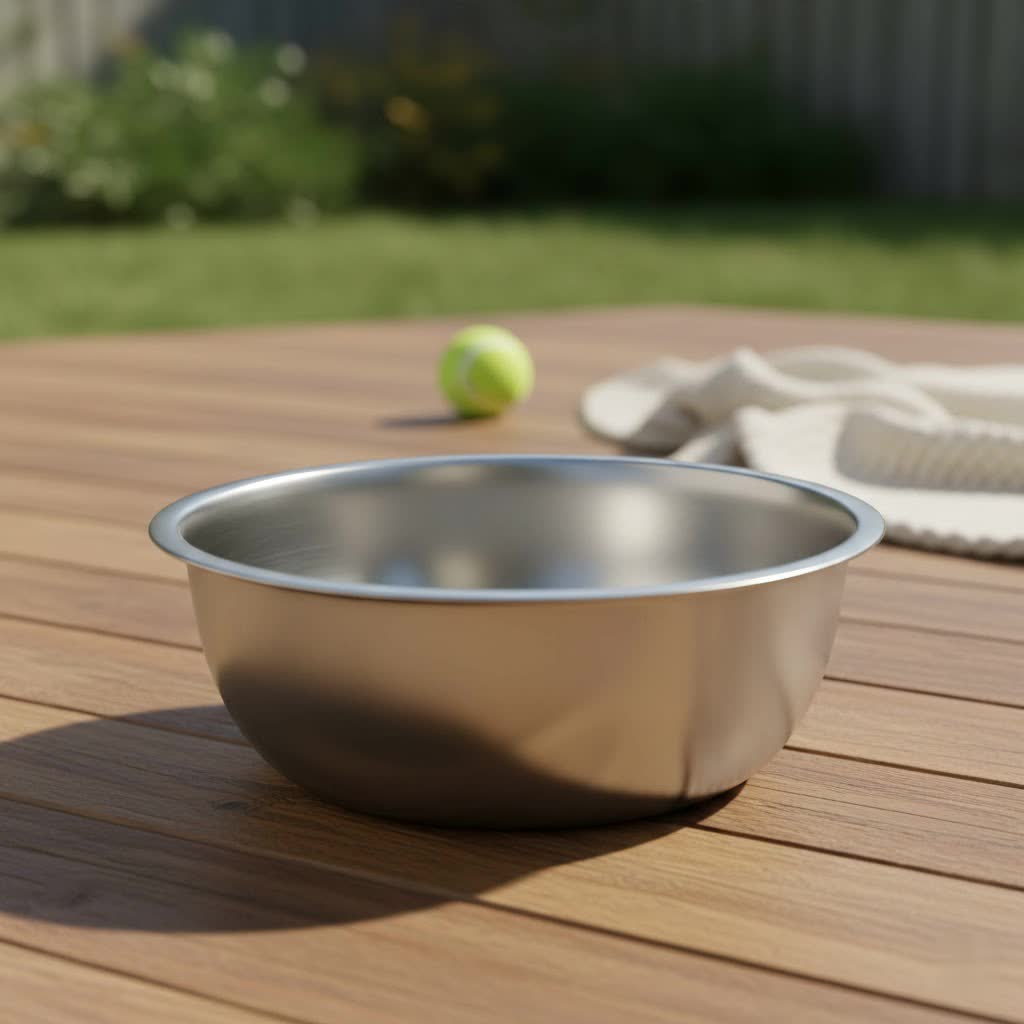
Stainless steel mixing bowls are the top choice for many home cooks and professional chefs due to their exceptional durability, versatility, and practicality. They are lightweight, resistant to rust and stains, and do not absorb odors or flavors, making them ideal for a wide range of kitchen tasks. This guide will help you select the perfect set to enhance your cooking experience.
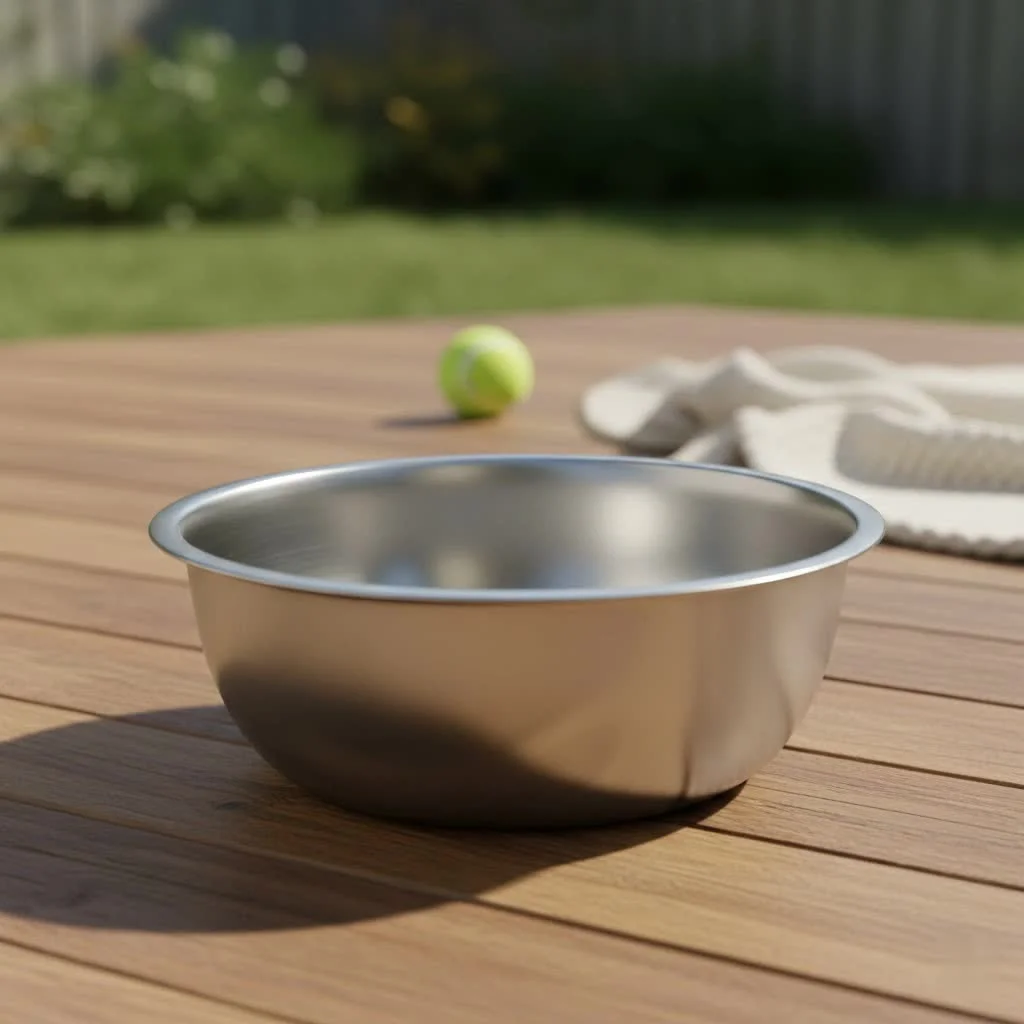
What is a Mixing Bowl?
At its core, a mixing bowl is a fundamental kitchen vessel designed for combining ingredients. From whisking eggs and kneading dough to tossing salads and marinating meats, its primary function is to provide a stable and appropriately sized container for food preparation. The history of mixing bowls is as old as cooking itself, evolving from simple earthenware and wooden vessels to the sophisticated, specialized tools we use today. For see our kitchenware recommendations on this site.
Over centuries, as culinary techniques advanced, so did the design and materials of mixing bowls. Early versions were often heavy and fragile, limiting their utility. The advent of modern materials, particularly stainless steel, revolutionized their design, ushering in an era of lightweight, durable, and highly functional bowls that can withstand the rigors of daily kitchen use.
The Enduring Appeal of Stainless Steel Mixing Bowls
Stainless steel mixing bowls are celebrated for a multitude of reasons, making them a cornerstone in both bustling commercial kitchens and cozy home environments. Their widespread popularity stems from a unique combination of attributes that address many common kitchen challenges. These bowls offer a robust solution that simplifies food preparation and ensures longevity.
One of their most significant advantages is their exceptional durability. Unlike glass or ceramic, stainless steel bowls are virtually indestructible, resisting drops, dents, and chips that would render other materials unusable. This resilience translates into a long-lasting investment for your kitchen. They are designed to endure the demands of rigorous daily use, from vigorous whisking to heavy-duty mixing, without showing significant wear and tear.
Beyond their toughness, stainless steel bowls are also incredibly lightweight. This characteristic makes them easy to handle, even when filled with heavy dough or a large quantity of ingredients. Their lighter weight also contributes to easier storage, as they typically nest neatly within each other, maximizing precious cabinet space. The non-porous surface of stainless steel means it won’t absorb odors or stains, ensuring hygienic food preparation and easy cleanup. This resistance to lingering smells and discoloration is a significant advantage over plastic alternatives.
Another key benefit is their excellent temperature conductivity. Stainless steel bowls can quickly reach and maintain desired temperatures, making them ideal for tasks like creating a double boiler for melting chocolate or chilling ingredients rapidly over an ice bath for perfectly whipped cream. This thermal efficiency adds a layer of versatility that is highly valued by experienced cooks.
Types of Mixing Bowls by Material
Understanding the different materials available for mixing bowls is crucial for selecting the right tool for your specific cooking needs. Each material offers distinct advantages and disadvantages that impact performance, durability, and maintenance.
Stainless Steel Mixing Bowls
|
Our Picks for the Best Mixing Bowl in 2026
As an Amazon Associate I earn from qualifying purchases.
|
||
| Num | Product | Action |
|---|---|---|
| 1 | Winco , 8-Quart, Stainless Steel (MXB-800Q) |

|
| 2 | Priority Chef Premium Mixing Bowls With Lids Set, Airtight Lids, Thicker Stainless Steel, Non-Slip Base, 5 Nesting Steel Bowls for Kitchen, Large Prep Metal Bowl Set 1.5/2/3/4/5 Qt, Black |
|
| 3 | Pyrex Essentials (3-Piece) Glass Mixing Bowls Set For Prepping, Baking and Cooking, Preheated Oven, Dishwasher, Freezer, and Microwave Safe |
|
| 4 | WHYSKO Meal Prep Stainless Steel Mixing Bowls Set, Home, Refrigerator, and Kitchen Food Storage Organizers - Ecofriendly, Reusable, Heavy Duty (Blue) |
|
| 5 | WHYSKO Meal Prep Stainless Steel Mixing Bowls Set, Home, Refrigerator, and Kitchen Food Storage Organizers - Ecofriendly, Reusable, Heavy Duty (Khaki) |
|
| 6 | WHYSKO Meal Prep Stainless Steel Mixing Bowls Set, Home, Refrigerator, and Kitchen Food Storage Organizers - Ecofriendly, Reusable, Heavy Duty (Gray) |
|
| 7 | WHYSKO Meal Prep Stainless Steel Mixing Bowl (5-Piece Set) Home, Refrigerator, and Kitchen Food Storage Organizers - Ecofriendly, Heavy Duty, No Lids |
|
| 8 | WHYSKO Meal Prep Stainless Steel Mixing Bowls Set, Home, Refrigerator, and Kitchen Food Storage Organizers - Ecofriendly, Reusable, Heavy Duty (Black) |
|
| 9 | WHYSKO Meal Prep Stainless Steel Mixing Bowls Set, Home, Refrigerator, and Kitchen Food Storage Organizers - Ecofriendly, Reusable, Heavy Duty (Light Blue) |
|
| 10 | Pyrex Sculpted (3-Pack) Glass Mixing Bowls Set With Lids For Prepping, Baking and Cooking, Preheated Oven, Dishwasher, Freezer, and Microwave Safe |
|
Stainless steel bowls are the workhorses of the kitchen. They are lightweight, exceptionally durable, and resistant to rust and stains, making them suitable for a vast array of tasks. Their non-porous surface is hygienic and doesn’t absorb food odors or flavors. They are excellent for vigorously mixing batters, whisking egg whites to stiff peaks, or chilling ingredients quickly. Most stainless steel bowls are dishwasher safe and can be used over a pot of boiling water for a makeshift double boiler.
However, stainless steel bowls are not microwave-safe, as metal can cause arcing and damage to the appliance. While they conduct temperature efficiently, this also means they can become hot to the touch when used with hot ingredients. Some users may also find them noisy during vigorous mixing, and they can show fingerprints or minor scratches over time, though these are often cosmetic. Prolonged contact with highly acidic or salty foods may also lead to superficial pitting.
Glass Mixing Bowls
Glass mixing bowls, often made from tempered borosilicate glass, offer unmatched transparency, allowing you to easily monitor ingredients as they mix or cook. This visibility is particularly useful for tasks like melting chocolate or ensuring all ingredients are thoroughly combined. Glass bowls are non-reactive, so they won’t impart any flavors or react with acidic ingredients. Many tempered glass bowls are microwave, oven, and freezer-safe, making them incredibly versatile for various cooking and storage needs.
The main drawbacks of glass bowls include their weight and fragility. They are significantly heavier than stainless steel, which can make them cumbersome to handle, especially when full. They are also prone to chipping or breaking if dropped or subjected to sudden temperature changes (unless specifically tempered for extreme heat). Whipping egg whites can sometimes be more challenging in glass bowls due to their smooth, non-porous surface.
Plastic Mixing Bowls
Plastic mixing bowls are typically the most budget-friendly and lightweight option. Their affordability and resistance to breakage make them a popular choice for everyday, casual use, especially in households with children. Many plastic sets come with convenient features like lids, non-slip bottoms, and pouring spouts. They are non-reactive, meaning they won’t interact with acidic foods.
However, plastic bowls have several notable disadvantages. They are susceptible to scratching, which can harbor bacteria and make cleaning more difficult over time. Plastic can also absorb food odors and stains, particularly from strongly flavored or brightly colored ingredients. The absorption of oils can also make whipping egg whites or cream to a stable consistency challenging. Not all plastic bowls are microwave or dishwasher safe, and hot liquids can potentially warp or damage them.
Ceramic and Earthenware Mixing Bowls
Ceramic and earthenware mixing bowls often boast an attractive aesthetic, making them suitable for both food preparation and serving. They are non-reactive, ensuring that food flavors remain untainted. Many ceramic bowls are oven-safe, ideal for tasks like baking a casserole or a gratin. Their weight provides stability during mixing.
On the downside, ceramic and earthenware bowls are heavy and can be quite expensive. They are also fragile and prone to chipping, cracking, or breaking if dropped. Their porous nature, if not properly glazed, can lead to staining and absorption of odors, although most modern ceramic bowls feature durable glazes to prevent this.
Copper Mixing Bowls
Copper mixing bowls are a niche but highly prized option, particularly by bakers for whipping egg whites. The copper ions react with egg proteins, resulting in remarkably stable and voluminous meringue. Beyond this specific application, copper bowls are also beautiful kitchen pieces.
However, copper is the most expensive mixing bowl material. It is also highly reactive with acidic foods, which can leach copper into your food and potentially cause discoloration or an off-flavor. They require special care to maintain their shine and prevent tarnishing, and they are not suitable for dishwashers or microwaves.
Comparison Table: Stainless Steel vs. Other Mixing Bowl Materials
| Feature | Stainless Steel | Glass | Plastic | Ceramic |
|---|---|---|---|---|
| Durability | Excellent (virtually indestructible) | Good (tempered glass), Fragile (regular) | Fair (scratches easily) | Fair (chips/breaks easily) |
| Weight | Lightweight | Heavy | Very Lightweight | Heavy |
| Microwave Safe | No | Yes (tempered) | Varies (check manufacturer) | Varies (check manufacturer) |
| Oven Safe | No (generally, check manufacturer) | Yes (tempered) | No | Yes (often) |
| Dishwasher Safe | Yes | Yes | Varies (check manufacturer) | Yes (glazed) |
| Non-Reactive | Yes (mostly, avoid prolonged acidic/salty) | Yes | Yes | Yes |
| Transparency | No | Yes | No | No |
| Odor/Stain Abs. | No | No | Yes (prone to absorption) | No (if glazed) |
| Heat Conduct. | Excellent (retains temp well) | Poor | Poor | Poor |
| Price | Mid-range | Mid-range to High | Low | Mid-range to High |
Choosing the Perfect Stainless Steel Mixing Bowl
Selecting the ideal stainless steel mixing bowl or set requires a thoughtful assessment of your cooking habits and specific kitchen needs. With a little guidance, you can find bowls that will be a joy to use for years to come.
Assess Your Culinary Needs
Before purchasing, consider how you typically use mixing bowls. Do you frequently bake large batches of cookies or bread, requiring spacious bowls for kneading? Or do you primarily need smaller bowls for whisking eggs, preparing dressings, or organizing ingredients for meal prep? If you’re passionate about baking, especially whipping creams or meringues, stainless steel’s ability to chill quickly can be a huge asset. For everyday cooking and general mixing, a versatile set with a range of sizes is often the most practical choice.
Consider Size and Capacity
Mixing bowls come in a wide array of sizes, from under 1 liter (approximately 1 quart) to over 6 liters (approximately 6 quarts). A common recommendation for most households is a set of 3-5 bowls ranging from 1.5 quarts to 5 quarts.
- Small Bowls (under 1.5 quarts): Ideal for whisking a single egg, mixing spices, preparing small dressings, or holding pre-measured ingredients.
- Medium Bowls (1.5 to 3 quarts): Versatile for everyday tasks like beating a few eggs, mixing pancake batter, or making a small batch of cookies.
- Large Bowls (over 3 quarts): Essential for kneading dough, tossing large salads, or mixing big batches of batter.
Frequently Asked Questions
Why are stainless steel mixing bowls a popular choice for kitchens?
Stainless steel mixing bowls are popular due to their exceptional durability, lightweight nature, and resistance to rust and stains. They are virtually indestructible, making them a long-lasting investment for any kitchen, and their non-porous surface ensures hygienic food preparation.
Can stainless steel mixing bowls be used in the microwave or oven?
No, stainless steel mixing bowls are generally not microwave-safe because metal can cause arcing and damage to the appliance. While they can be used over boiling water for a double boiler, they are typically not recommended for oven use; always check manufacturer guidelines.
What are the main advantages of stainless steel over glass mixing bowls?
Stainless steel mixing bowls are significantly more durable and lighter than glass bowls, resisting drops and chips. They also conduct temperature efficiently, which is beneficial for tasks like chilling ingredients quickly, whereas glass bowls are heavy and fragile.
What sizes of stainless steel mixing bowls are recommended for most households?
For most households, a set of 3-5 stainless steel mixing bowls ranging from 1.5 quarts to 5 quarts is recommended. This range covers small tasks like whisking eggs, medium tasks such as mixing pancake batter, and large tasks like kneading dough.
Do stainless steel mixing bowls absorb food odors or stains?
No, stainless steel mixing bowls have a non-porous surface that prevents them from absorbing food odors or stains. This makes them a hygienic choice for food preparation and ensures easy cleanup, unlike plastic alternatives which can absorb smells and discoloration.
Cooking gear we tested in our own kitchens
Free PDF — preheat times measured on 10 popular air fryers.

I finally upgraded my old plastic bowls to a set of stainless steel ones, and wow, what a difference! I love how lightweight they are, making it so much easier to whisk up batters without feeling like I’m wrestling with the bowl. Plus, no more lingering onion smell after making a salad dressing. These are definitely a game-changer for my baking.
I’ve been using my new stainless steel mixing bowls for a few weeks now, and they’re fantastic for kneading dough. The non-slip base is a real lifesaver, keeping the bowl steady on the counter. My only minor complaint is that the largest bowl feels a little too big for my small kitchen, but the other sizes are perfect.
These bowls are pretty good for the price range mentioned. They’re definitely durable and easy to clean, which is a must for me. However, I noticed that one of the bowls developed a very slight scratch after only a couple of uses, even though I was careful. It’s not a huge deal, but I expected them to be a bit more scratch-resistant.
I’m so glad I invested in a good set of stainless steel mixing bowls. They really don’t absorb odors or flavors, which is amazing when I’m prepping different types of food. I’ve used them for everything from marinating chicken to mixing cake batter, and they perform beautifully every time. Highly recommend for any home cook!