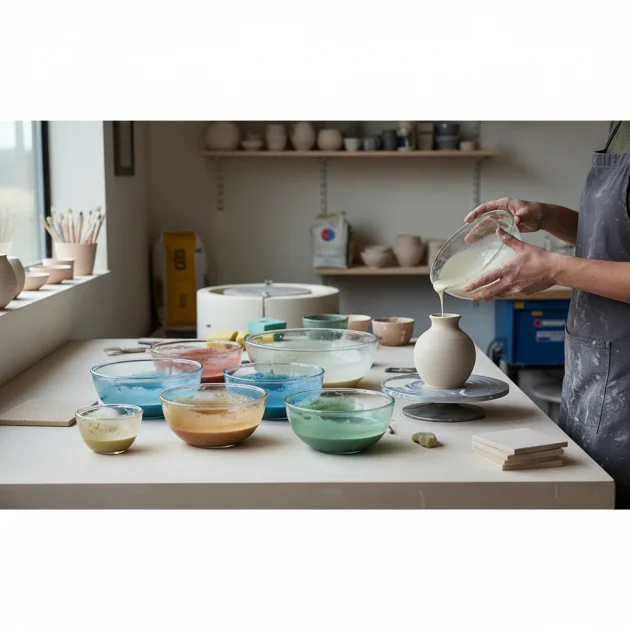
The Anchor Hocking Glass Mixing Bowl Set is the best choice for ceramic projects due to its robust tempered glass construction, clear visibility, and versatile sizing. Ceramic artists require durable, non-reactive, and easy-to-clean bowls for preparing glazes, slips, and clay bodies, and Anchor Hocking bowls meet these essential criteria. Their non-porous surface prevents contamination, which is crucial for maintaining the purity and consistency of ceramic compounds.
Quick comparison
| Model | Material | Key Feature | Capacity Range |
|---|---|---|---|
| Anchor Hocking Glass Mixing Bowl Set | Tempered Glass | Non-porous, clear visibility | 1 qt to 4 qt |
| Anchor Hocking TrueSeal Glass Mixing Bowls | Tempered Glass with Lids | Airtight storage, stackable | 2 cup to 7 cup |
| Anchor Hocking Presence Glass Bowls | Tempered Glass | Elegant design, versatile use | 6 oz to 2 qt |
What Ceramic Needs from a Mixing Bowl
Ceramic work demands specific characteristics from a mixing bowl to ensure optimal results and longevity. First, the material must be non-reactive. Ceramic glazes and slips often contain chemicals that can react with certain metals or plastics, potentially altering the color or consistency of the final product. Glass, like that used in Anchor Hocking bowls, is an excellent non-reactive option. Second, durability is paramount. Ceramic materials can be heavy and abrasive, requiring a bowl that can withstand frequent use and potential impacts without chipping or breaking. Tempered glass offers superior resistance to thermal shock and breakage compared to standard glass. Third, ease of cleaning is crucial. Ceramic compounds can be sticky and difficult to remove, so a smooth, non-porous surface that cleans easily is highly beneficial. Anchor Hocking’s glass bowls provide this, preventing residue buildup. Fourth, clear visibility allows artists to monitor the consistency and color of their mixtures accurately. Transparent glass bowls enable precise observation, which is vital for achieving desired ceramic outcomes. Finally, a stable base and comfortable handling are important for safety and efficiency during the mixing process. Bowls with a wide base prevent tipping, and ergonomic designs reduce strain during prolonged use. For expert kitchenware reviews on this site.
Detailed Reviews
Anchor Hocking Glass Mixing Bowl Set
The Anchor Hocking Glass Mixing Bowl Set stands out as the premier choice for ceramic artists. This set includes multiple sizes, typically ranging from 1 quart to 4 quarts, providing versatility for various batch sizes of glazes, slips, or clay. Constructed from durable tempered glass, these bowls resist chipping, cracking, and thermal shock, making them ideal for the demanding environment of a ceramic studio. The non-porous surface ensures that no ceramic materials will stain or adhere permanently, simplifying cleanup. Their transparent design allows for clear visibility of contents, enabling precise monitoring of consistency and color. This feature is invaluable when mixing custom glazes or ensuring uniform slip consistency. The bowls are also microwave, oven, and dishwasher safe, adding to their practical utility. Their sturdy construction and classic design make them a reliable and long-lasting addition to any ceramic workspace, supporting both novice and experienced artists.
Anchor Hocking TrueSeal Glass Mixing Bowls
The Anchor Hocking TrueSeal Glass Mixing Bowls offer an excellent solution for ceramic artists who need to store their mixtures securely. These bowls come with airtight, leak-proof lids, which are perfect for preserving glazes, slips, or clay bodies between uses. The tempered glass construction provides the same durability and non-reactive properties as other Anchor Hocking glass bowls, ensuring the integrity of your ceramic materials. Available in various sizes, typically from 2 cups to 7 cups, they are suitable for smaller batches or for keeping different colors of glaze separate. The clear glass allows for easy identification of contents without needing to open the lid. The TrueSeal lids are designed for easy on and off, yet they create a secure seal that prevents drying out or contamination. These bowls are also stackable, which helps save space in a busy studio. Their ability to transition from mixing to storage seamlessly makes them a highly practical tool for any ceramic artist.
Anchor Hocking Presence Glass Bowls
The Anchor Hocking Presence Glass Bowls offer a more elegant yet equally functional option for ceramic work, particularly for those who appreciate aesthetic appeal alongside utility. While often marketed for serving, their robust tempered glass construction makes them perfectly suitable for mixing ceramic materials. These bowls typically come in smaller capacities, such as 6 ounces to 2 quarts, making them ideal for small-batch glaze testing, color mixing, or preparing intricate details. The smooth, non-porous glass surface ensures easy cleanup and prevents any unwanted reactions with ceramic compounds. Their clear design provides excellent visibility, allowing artists to accurately assess the consistency and hue of their mixtures. The Presence bowls are designed with a stable base, reducing the risk of spills during the mixing process. While they may not come with lids like the TrueSeal series, their durability and non-reactive nature make them a valuable asset for precise ceramic tasks, offering both reliability and a touch of sophistication to the workspace.
Routine Fit
Anchor Hocking mixing bowls seamlessly integrate into any ceramic artist’s routine, from initial material preparation to final glaze application. Their diverse sizes accommodate various tasks, whether you’re mixing a large batch of casting slip or a small amount of a specialized glaze. The clear glass allows for immediate visual assessment, eliminating guesswork and ensuring consistent results, which is critical in ceramic art. For artists who frequently experiment with new glazes, the non-reactive surface of Anchor Hocking bowls prevents cross-contamination, preserving the purity of each test batch. The ease of cleaning means less time spent on maintenance and more time dedicated to creative work. Furthermore, the durability of tempered glass ensures these bowls can withstand the rigors of a busy studio, including accidental bumps or drops, providing a long-lasting tool that supports continuous artistic production. Their versatility extends to both hand-mixing and use with immersion blenders for smoother glazes, making them an indispensable part of the ceramic process.
FAQs
How does tempered glass benefit ceramic mixing?
Tempered glass, like that used in Anchor Hocking bowls, offers significant benefits for ceramic mixing due to its enhanced durability. It is more resistant to thermal shock, meaning it can withstand sudden temperature changes without cracking, which is useful if you need to warm or cool your mixtures. Its increased strength also makes it less prone to chipping or breaking from the heavy and sometimes abrasive nature of ceramic materials. This durability ensures a longer lifespan for the bowls, reducing the need for frequent replacements and providing a reliable tool for consistent use in a ceramic studio environment.
Are Anchor Hocking glass bowls safe for all types of glazes?
Yes, Anchor Hocking glass bowls are generally safe for all types of glazes. Glass is a non-reactive material, meaning it will not chemically interact with the various components found in ceramic glazes, such as metal oxides, fluxes, or opacifiers. This non-reactivity is crucial for maintaining the true color and chemical integrity of your glazes, preventing any unwanted alterations that could occur with reactive materials like certain metals or plastics. You can confidently mix a wide range of glazes, from lead-free to high-fire, without concern for contamination or unexpected results.
Can these bowls be used for storing ceramic slips or glazes?
Yes, Anchor Hocking glass bowls can be effectively used for storing ceramic slips or glazes, especially the TrueSeal line with their airtight lids. For bowls without lids, you can cover them with plastic wrap or foil to prevent drying out and contamination. The non-porous nature of glass ensures that the bowls will not absorb any moisture or chemicals from the slips and glazes, preserving their consistency and preventing cross-contamination. Storing in glass also allows for easy visual inspection of the contents, making it simple to check for settling or changes in consistency before use.
What sizes are most useful for ceramic artists?
For ceramic artists, a range of sizes is most useful to accommodate different tasks. Smaller bowls (1-2 quarts) are ideal for mixing test glazes, small batches of colored slip, or for holding water during hand-building. Medium bowls (3-4 quarts) are versatile for preparing larger quantities of glazes, engobes, or for mixing small batches of clay. Larger bowls (4 quarts and above) are excellent for mixing casting slip, reclaiming clay, or for general studio cleanup tasks. A set, like the Anchor Hocking Glass Mixing Bowl Set, often provides a good assortment to cover most ceramic needs.
How do I clean ceramic residue from Anchor Hocking bowls?
Cleaning ceramic residue from Anchor Hocking bowls is straightforward due to their smooth, non-porous glass surface. For wet glazes or slips, simply rinse the bowl immediately with water. For dried residue, soaking the bowl in warm water for a period will usually loosen the material, allowing it to be easily scrubbed away with a sponge or brush. Avoid using abrasive scouring pads, which could scratch the glass. Most Anchor Hocking glass bowls are also dishwasher safe, offering a convenient cleaning option for stubborn residues. The non-stick properties of glass prevent most ceramic materials from adhering permanently.
Verdict
For ceramic artists seeking reliable and effective tools, the Anchor Hocking Glass Mixing Bowl Set stands as the definitive choice. Its robust tempered glass construction ensures durability against the rigors of ceramic work, while the non-reactive surface guarantees the purity of glazes and slips. The clear visibility offered by glass is invaluable for precise mixing, and the range of sizes accommodates diverse project needs. These bowls are easy to clean and maintain, making them a practical and long-lasting investment for any ceramic studio. Choosing Anchor Hocking means opting for quality and consistency in your ceramic endeavors.
Frequently Asked Questions
How does tempered glass benefit ceramic mixing?
Tempered glass, like that used in Anchor Hocking bowls, offers significant benefits for ceramic mixing due to its enhanced durability. It is more resistant to thermal shock, meaning it can withstand sudden temperature changes without cracking. Its increased strength also makes it less prone to chipping or breaking from the heavy and sometimes abrasive nature of ceramic materials, ensuring a longer lifespan for the bowls.
Are Anchor Hocking glass bowls safe for all types of glazes?
Yes, Anchor Hocking glass bowls are generally safe for all types of glazes. Glass is a non-reactive material, meaning it will not chemically interact with the various components found in ceramic glazes, such as metal oxides, fluxes, or opacifiers. This non-reactivity is crucial for maintaining the true color and chemical integrity of your glazes, preventing any unwanted alterations.
Can these bowls be used for storing ceramic slips or glazes?
Yes, Anchor Hocking glass bowls can be effectively used for storing ceramic slips or glazes, especially the TrueSeal line with their airtight lids. For bowls without lids, you can cover them with plastic wrap or foil to prevent drying out and contamination. The non-porous nature of glass ensures that the bowls will not absorb any moisture or chemicals, preserving their consistency.
What sizes are most useful for ceramic artists?
For ceramic artists, a range of sizes is most useful to accommodate different tasks. Smaller bowls (1-2 quarts) are ideal for mixing test glazes, while medium bowls (3-4 quarts) are versatile for preparing larger quantities of glazes. Larger bowls (4 quarts and above) are excellent for mixing casting slip or reclaiming clay. A set, like the Anchor Hocking Glass Mixing Bowl Set, often provides a good assortment.
How do I clean ceramic residue from Anchor Hocking bowls?
Cleaning ceramic residue from Anchor Hocking bowls is straightforward due to their smooth, non-porous glass surface. For wet glazes or slips, simply rinse the bowl immediately with water. For dried residue, soaking the bowl in warm water will usually loosen the material, allowing it to be easily scrubbed away with a sponge or brush. Most Anchor Hocking glass bowls are also dishwasher safe.
Cooking gear we tested in our own kitchens
Free PDF — preheat times measured on 10 popular air fryers.
I’ve been using the Anchor Hocking Glass Mixing Bowl Set for my glazes and slips, and they are absolutely perfect. The clear visibility is a game-changer for seeing the consistency of my mixtures, and they clean up so easily. I love that they’re non-porous, so I don’t have to worry about any contamination between different batches. Definitely a must-have for any ceramic artist.
These Anchor Hocking bowls are really solid for mixing clay bodies. I appreciate the tempered glass construction; they feel very durable and I’m not worried about them breaking. The range of sizes, especially the 4 qt, is super helpful for larger projects. My only minor quibble is that I wish they came with lids for when I need to store a batch of slip overnight, but otherwise, they’re great.
I got the Anchor Hocking TrueSeal Glass Mixing Bowls specifically for the airtight storage feature, which is great for keeping my glazes fresh. However, I found the 2 cup size a bit too small for some of my usual mixing tasks. The lids are a big plus, but I often reach for my larger, lidless bowls for initial mixing. They’re good for specific storage needs, though.
These bowls are fantastic for my ceramic work. I was looking for something non-reactive and easy to clean, and the Anchor Hocking set delivers. I’ve used them for everything from preparing small batches of underglaze to mixing larger quantities of engobe. The different capacities are really useful, and they stack nicely in my studio cabinet.