Every thriving kitchen, from the bustling professional bakery to the cozy home cooking space, relies on a core set of dependable tools. Among these essentials, the mixing bowl stands out as an indispensable workhorse, facilitating everything from whisking eggs to tossing vibrant salads. While a myriad of materials grace the market, stainless steel mixing bowls consistently earn their reputation as a top choice for their unparalleled durability, versatile functionality, and hygienic properties. If you’ve ever wondered why so many culinary experts swear by them, this comprehensive guide will delve into everything you need to know, helping you understand their advantages, how they compare to other types, and what to consider when choosing the perfect set for your culinary adventures.
What is a Mixing Bowl?
At its core, a mixing bowl is a deep, rounded vessel designed for combining ingredients. Its primary purpose is to provide a stable and spacious container for whisking, stirring, folding, and kneading various food components without spillage. From preparing batters and doughs to marinating meats and serving salads, mixing bowls are fundamental to almost every cooking and baking endeavor. Historically, mixing bowls have evolved from simple wooden or ceramic vessels to the diverse range of materials and designs we see today, each iteration aiming to enhance efficiency and user experience in the kitchen.
The Popular Types of Mixing Bowls
The world of mixing bowls offers a variety of materials, each with unique characteristics that appeal to different cooking styles and preferences. Understanding these differences is key to making an informed choice for your kitchen.
Stainless Steel Mixing Bowls
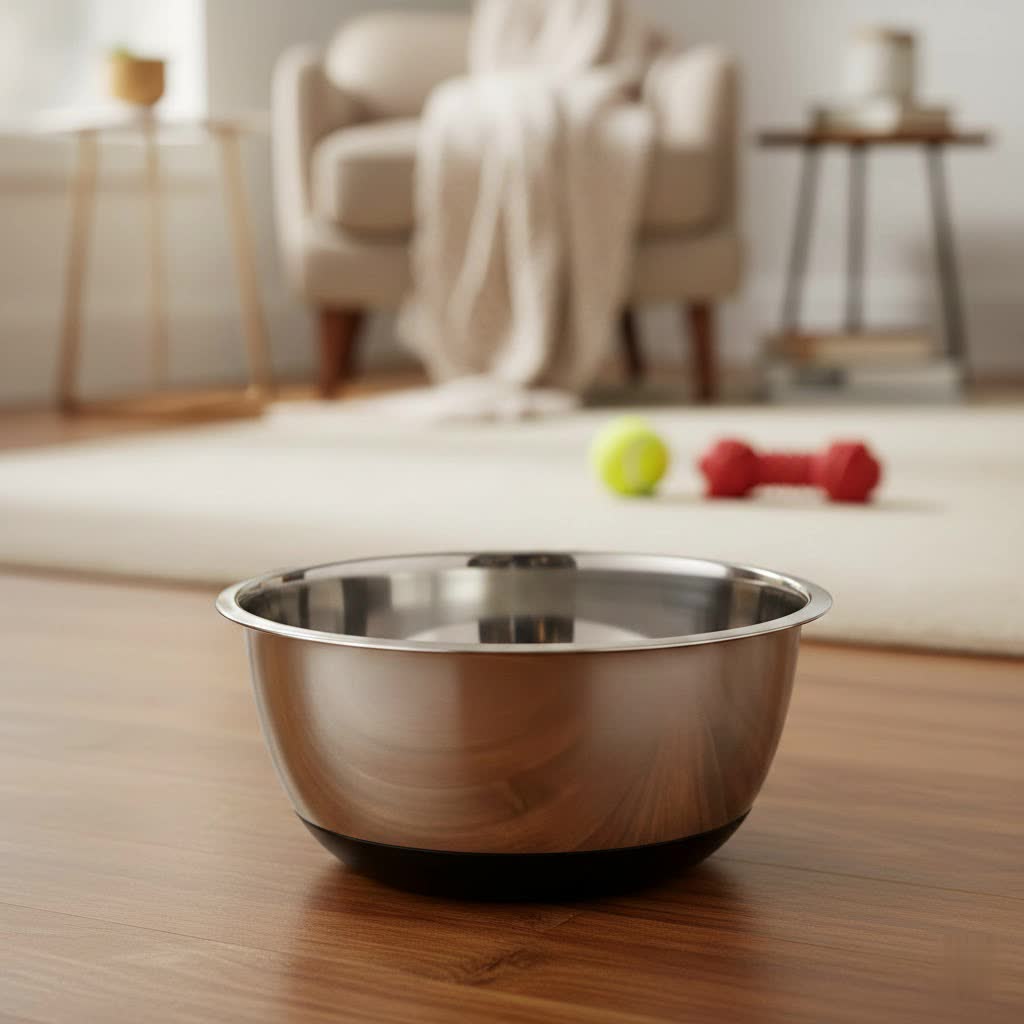
Stainless steel bowls are the undisputed champions of durability and practicality in many kitchens. Made from a chromium-alloyed steel, they are exceptionally resistant to rust, stains, and odors, making them a hygienic choice for food preparation.
- Advantages:
- Extremely Durable: They can withstand drops, dents, and heavy use without breaking or chipping.
- Lightweight: Despite their strength, they are typically lighter than glass or ceramic, making them easy to handle, especially when full.
- Temperature Control: Stainless steel conducts temperature efficiently, allowing them to be quickly chilled for tasks like whipping cream or used over a double boiler for melting chocolate.
- Non-reactive: Quality stainless steel is non-reactive, meaning it won’t leach flavors or react with acidic ingredients like citrus juices or vinegar.
- Easy to Clean and Store: Their smooth, non-porous surface is simple to wipe clean and many sets are designed to nest perfectly, saving valuable cabinet space.
- Disadvantages:
- Not Microwave-Safe: Stainless steel cannot be used in a microwave, requiring ingredients to be transferred if heating is needed.
- Can Get Hot: If used over direct heat or holding very hot liquids, the thin metal can become hot to the touch.
- Noise: Vigorous mixing, especially with metal whisks, can sometimes produce a metallic clanging sound.
- Aesthetics: Some may find their utilitarian, industrial look less appealing than other materials.
Glass Mixing Bowls
|
Our Picks for the Best Mixing Bowl in 2026
As an Amazon Associate I earn from qualifying purchases.
|
||
| Num | Product | Action |
|---|---|---|
| 1 | WHYSKO Meal Prep Stainless Steel Mixing Bowls Set, Home, Refrigerator, and Kitchen Food Storage Organizers - Ecofriendly, Reusable, Heavy Duty (Blue) |

|
| 2 | WHYSKO Meal Prep Stainless Steel Mixing Bowl (5-Piece Set) Home, Refrigerator, and Kitchen Food Storage Organizers - Ecofriendly, Heavy Duty, No Lids |
|
| 3 | WHYSKO Meal Prep Stainless Steel Mixing Bowls Set, Home, Refrigerator, and Kitchen Food Storage Organizers - Ecofriendly, Reusable, Heavy Duty (Khaki) |
|
| 4 | WHYSKO Meal Prep Stainless Steel Mixing Bowls Set, Home, Refrigerator, and Kitchen Food Storage Organizers - Ecofriendly, Reusable, Heavy Duty (Black) |
|
| 5 | WHYSKO Meal Prep Stainless Steel Mixing Bowls Set, Home, Refrigerator, and Kitchen Food Storage Organizers - Ecofriendly, Reusable, Heavy Duty (Gray) |
|
| 6 | Pyrex Sculpted (3-Pack) Glass Mixing Bowls Set With Lids For Prepping, Baking and Cooking, Preheated Oven, Dishwasher, Freezer, and Microwave Safe |
|
| 7 | Pyrex Essentials (3-Piece) Glass Mixing Bowls Set For Prepping, Baking and Cooking, Preheated Oven, Dishwasher, Freezer, and Microwave Safe |
|
| 8 | Winco , 8-Quart, Stainless Steel (MXB-800Q) |
|
| 9 | Priority Chef Premium Mixing Bowls With Lids Set, Airtight Lids, Thicker Stainless Steel, Non-Slip Base, 5 Nesting Steel Bowls for Kitchen, Large Prep Metal Bowl Set 1.5/2/3/4/5 Qt, Black |
|
| 10 | WHYSKO Meal Prep Stainless Steel Mixing Bowls Set, Home, Refrigerator, and Kitchen Food Storage Organizers - Ecofriendly, Reusable, Heavy Duty (Light Blue) |
|
Glass mixing bowls, often made from tempered glass, offer a classic and aesthetically pleasing option.
- Advantages:
- Transparency: Their clear nature allows you to monitor the mixing process, ensuring ingredients are fully incorporated.
- Microwave and Oven Safe: Most tempered glass bowls can go from freezer to microwave or oven, offering great versatility for heating and cooking.
- Non-reactive: Like stainless steel, glass is completely non-reactive and won’t absorb odors or flavors.
- Doubles as Serveware: Their attractive appearance makes them suitable for serving dishes directly from the bowl.
- Disadvantages:
- Heavy and Bulky: Glass bowls are significantly heavier than stainless steel, which can make them cumbersome, especially in larger sizes or when pouring.
- Fragile: Despite being tempered, they are prone to chipping or shattering if dropped, posing a safety risk.
Plastic Mixing Bowls
Plastic bowls are a common sight in many kitchens, prized for their affordability and lightweight nature.
- Advantages:
- Lightweight and Inexpensive: They are typically the lightest and most budget-friendly option.
- Durable (to drops): They won’t shatter if dropped, making them a safe choice for households with children.
- Often Comes with Lids: Many plastic sets include tight-fitting lids for easy food storage.
- Disadvantages:
- Porous: Plastic can absorb odors, grease, and stains over time, making them less hygienic and harder to clean.
- Less Durable (to scratches): They scratch easily, which can harbor bacteria and affect their appearance.
- Not Always Microwave-Safe: Only specific types of plastic are microwave-safe, and some cheaper plastics can leach chemicals when heated.
- Can Affect Whipping: Fats can stick to the surface, making it difficult to achieve stiff peaks when whipping egg whites or cream.
Ceramic Mixing Bowls
Ceramic mixing bowls offer a beautiful, artisanal touch to any kitchen, often doubling as decorative pieces.
- Advantages:
- Aesthetic Appeal: They come in a wide array of colors, patterns, and glazes, making them highly attractive.
- Stability: Their weight provides excellent stability on the countertop during vigorous mixing.
- Non-reactive: Ceramic is non-reactive with food.
- Disadvantages:
- Very Heavy: Ceramic bowls are the heaviest of all materials, which can be a drawback for handling and pouring.
- Fragile: They are susceptible to chipping and breaking if dropped or knocked.
- Bulky: They can take up considerable storage space and may not always nest efficiently.
Comparing Mixing Bowl Materials
Choosing the right mixing bowl often involves a trade-off between various factors. Here’s a quick comparison to help you weigh your options:
| Feature | Stainless Steel | Glass | Plastic | Ceramic |
|---|---|---|---|---|
| Durability | Excellent (dent-proof) | Good (chip/shatter) | Fair (scratch/stain) | Fair (chip/break) |
| Weight | Lightweight | Heavy | Very Lightweight | Very Heavy |
| Microwave-Safe | No | Yes (tempered) | Varies (check label) | Varies |
| Dishwasher-Safe | Yes | Yes | Yes (top rack for some) | Yes |
| Reactivity | Non-reactive | Non-reactive | Non-reactive | Non-reactive |
| Temperature | Conducts/retains well | Tolerates extremes | Poor for heat/cold | Retains heat/cold |
| Aesthetics | Industrial/Sleek | Transparent/Elegant | Casual/Colorful | Decorative/Artisanal |
| Cost | Mid-range | Mid-to-High | Low | Mid-to-High |
| Storage | Excellent (nesting) | Fair (bulky) | Good (some nest/fold) | Poor (bulky) |
Mixing Bowl Sizes for Every Task
The size of your mixing bowls can significantly impact your efficiency in the kitchen. It’s often beneficial to have a set of varying sizes to accommodate different culinary tasks.
- Small Mixing Bowls (Under 1 Liter / 1 Quart):
- Advantages: Perfect for whisking a single egg, preparing a small vinaigrette, melting butter, holding pre-measured spices, or serving individual portions.
- Applications: Ideal for quick prep tasks and ingredient organization.
- Medium Mixing Bowls (1-3 Liters / 1-3 Quarts):
- Advantages: Versatile for most everyday cooking and baking needs, such as mixing small batches of cookie dough, preparing batters for pancakes, or tossing a side salad.
- Applications: The go-to size for general purpose mixing.
- Large Mixing Bowls (Over 3 Liters / 3 Quarts):
- Advantages: Essential for substantial tasks like mixing large batches of bread dough, combining ingredients for family-sized meals, marinating large cuts of meat, or tossing a big salad for entertaining.
- Applications: Crucial for bulk cooking and when working with larger volumes of ingredients.
A well-rounded kitchen often benefits from a set of at least three to five bowls spanning this range, typically from 2 cups up to 5 quarts or more.
Enhanced Features for Optimal Performance
Modern mixing bowls often come with additional features designed to improve usability and convenience.
- Mixing Bowls with Lids: Lids transform your mixing bowls into convenient storage containers, ideal for chilling dough, marinating ingredients, or storing leftovers directly in the fridge. Silicone or plastic lids are common and help keep contents fresh.
- Mixing Bowls with Non-Slip Bases: A silicone or rubberized base prevents the bowl from sliding around on your countertop during vigorous mixing, ensuring stability and safety, particularly useful when whisking by hand.
- Mixing Bowls with Pouring Spouts: These integrated spouts allow for mess-free transfer of liquids, batters, and sauces, minimizing drips and spills.
- Flared Rims: Bowls with slightly flared or rolled rims offer a more comfortable grip and facilitate cleaner pouring, especially for thicker mixtures.
- Measurement Markings: Some bowls feature etched or embossed measurement markings on the interior, allowing you to measure ingredients directly in the bowl, reducing the need for extra measuring cups.
How to Choose the Perfect Mixing Bowl
Selecting the right mixing bowl involves considering your personal cooking habits, kitchen space, and specific needs.
- Determine Your Primary Needs: What do you use mixing bowls for most often? If you’re a keen baker, durability and temperature control (for chilling) might be key. If you frequently prep fresh ingredients, easy cleaning and varied sizes are crucial.
- Consider the Material:
- Stainless steel is excellent for overall durability, lightness, and temperature tasks. Opt for high-quality stainless steel (e.g., 18/8 or 18/10 food-grade) for best performance and rust resistance.
- Glass is great if microwave compatibility and transparency are high priorities, and if you don’t mind the added weight.
- Plastic works for budget-conscious buyers or those needing unbreakable options, but be mindful of odor absorption and scratching.
- Ceramic offers aesthetic appeal and stability but can be heavy and fragile.
- Choose Appropriate Sizes: A nesting set with a range of small, medium, and large bowls is generally the most practical choice for versatility and efficient storage. Ensure the largest bowl is sufficient for your biggest cooking projects.
- Look for Desired Features: Do you need lids for storage? A non-slip base for stability? A pouring spout for less mess? Prioritize features that will genuinely enhance your cooking experience.
- Quality and Craftsmanship: For stainless steel, look for bowls made from a good gauge of steel – not too thin, as they can dent easily. Check for smooth, rolled edges and a polished finish.
- Read Reviews and Consider Brands: While not always necessary to buy high-end, reputable brands often provide better quality and longevity.
Top Characteristics of Highly-Rated Steel Mixing Bowls
While specific product recommendations are outside this guide, understanding what makes a stainless steel mixing bowl exceptional can help you identify high-quality options.
- Premium Food-Grade Stainless Steel: Look for bowls made from 18/8 or 18/10 stainless steel, indicating a higher chromium and nickel content for superior rust resistance and durability. This ensures your bowls remain hygienic and maintain their luster over time.
- Optimal Gauge and Weight: A good stainless steel bowl strikes a balance: substantial enough to feel sturdy and resist easy denting, yet lightweight enough for comfortable handling, even when full. Avoid overly thin bowls that feel flimsy.
- Thoughtful Design for Functionality:
- Wide, Rolled Rims: These provide an excellent grip for carrying and pouring, and can prevent spills.
- Non-Slip Silicone Base: A silicone-coated bottom significantly enhances stability on countertops, minimizing movement during vigorous whisking or kneading.
- Nesting Capability: A well-designed set should stack perfectly within each other, maximizing storage efficiency in your kitchen cabinets.
- Deep and Wide Shape: A bowl that’s deep enough to prevent splatters but wide enough for comfortable mixing is ideal.
- Easy Maintenance: High-quality stainless steel bowls are almost always dishwasher-safe, simplifying cleanup. Their non-porous surface resists food odors and stains, ensuring they look new for years.
- Versatile Set Sizes: A top set typically includes at least three to five bowls ranging from small (e.g., 1.5 quart) to large (e.g., 5-8 quart), covering a spectrum of cooking and baking needs.
> “Stainless steel mixing bowls are a kitchen essential because they combine robustness with practicality. They can take a beating, are easy to sanitize, and their temperature conductivity is a hidden advantage for many recipes.” – [Your Name/Title, e.g., Admin, reviewasigo.com], Culinary Equipment Expert
Proper Cleaning and Storage for Longevity
Maintaining your mixing bowls correctly ensures their longevity and hygienic performance.
Cleaning Stainless Steel Mixing Bowls
Stainless steel is remarkably easy to clean.
- Everyday Cleaning: Wash with warm, soapy water and a soft sponge. Rinse thoroughly and dry immediately to prevent water spots, especially in hard water areas.
- Dishwasher Safe: Most stainless steel bowls are dishwasher safe. Place them on the top rack if possible to prevent contact with heating elements.
- Tackling Stubborn Stains: For dried-on food, soak the bowl in warm, soapy water before scrubbing. For minor discoloration or water spots, a paste of baking soda and water or a specialized stainless steel cleaner can restore their shine. Avoid abrasive scrubbers that can scratch the surface.
Cleaning Other Bowl Materials
- Glass: Typically dishwasher safe. For tough residues, soaking in warm water with dish soap or a vinegar solution can help.
- Plastic: Wash by hand with warm soapy water to prevent staining or warping in the dishwasher (though many are top-rack safe). Avoid harsh scrubbers.
- Ceramic: Hand wash with warm soapy water to protect glazes and prevent chipping. While some are dishwasher safe, gentle cleaning is always recommended.
Storage Tips
- Nesting Sets: The most efficient way to store mixing bowls is by nesting them, placing smaller bowls inside larger ones. This saves considerable cabinet space.
- Lids: If your bowls come with lids, ensure they are clean and dry before storage to prevent mold or odors. Stack lids separately or on top of nested bowls.
- Protection: For delicate bowls like glass or ceramic, consider placing a thin cloth or paper towel between nested bowls to prevent scratching or chipping.
- Accessibility: Store your most frequently used bowls in an easily accessible location.
Conclusion
The humble mixing bowl is a cornerstone of any functional kitchen, and stainless steel variants offer an exceptional blend of durability, lightweight design, and versatility that makes them a favorite among home cooks and culinary professionals alike. While glass, plastic, and ceramic options each have their merits, the resilience, hygienic properties, and practical features of stainless steel often make it the superior choice for everyday use and demanding culinary tasks. By understanding the different types, sizes, and features available, you can confidently select a set of stainless steel mixing bowls that will serve your kitchen faithfully for years to come. What culinary masterpiece will you create with your new favorite mixing bowls?
Frequently Asked Questions
Are stainless steel mixing bowls safe for all foods?
Yes, high-quality food-grade stainless steel (like 18/8 or 18/10) is non-reactive and generally safe for all types of food, including acidic ingredients like citrus and vinegar, without affecting taste or color.
Can stainless steel mixing bowls go in the freezer?
Yes, stainless steel mixing bowls can be placed in the freezer. Their excellent temperature conductivity makes them ideal for chilling ingredients quickly, which is particularly useful when preparing whipped cream or certain doughs.
How do I prevent my stainless steel mixing bowl from slipping on the counter?
Many stainless steel mixing bowls come with a silicone base or ring that provides a non-slip grip. If yours doesn’t, you can place a damp kitchen towel or a silicone mat underneath the bowl to keep it stable during mixing.
What’s the best way to remove scratches from a stainless steel mixing bowl?
Minor scratches on stainless steel bowls can sometimes be minimized using a fine-grit sandpaper (following the grain of the steel) or a specialized stainless steel scratch removal kit. For deeper scratches, professional restoration might be required, or it may be better to simply embrace the bowl’s well-loved appearance.
Is it okay to use metal whisks in stainless steel mixing bowls?
Yes, metal whisks are perfectly fine to use in stainless steel mixing bowls. While vigorous scraping might cause a faint metallic sound or, in rare cases, extremely fine wear over many years, it generally doesn’t pose a risk to your food or the bowl’s integrity.
Cooking gear we tested in our own kitchens
Free PDF — preheat times measured on 10 popular air fryers.
