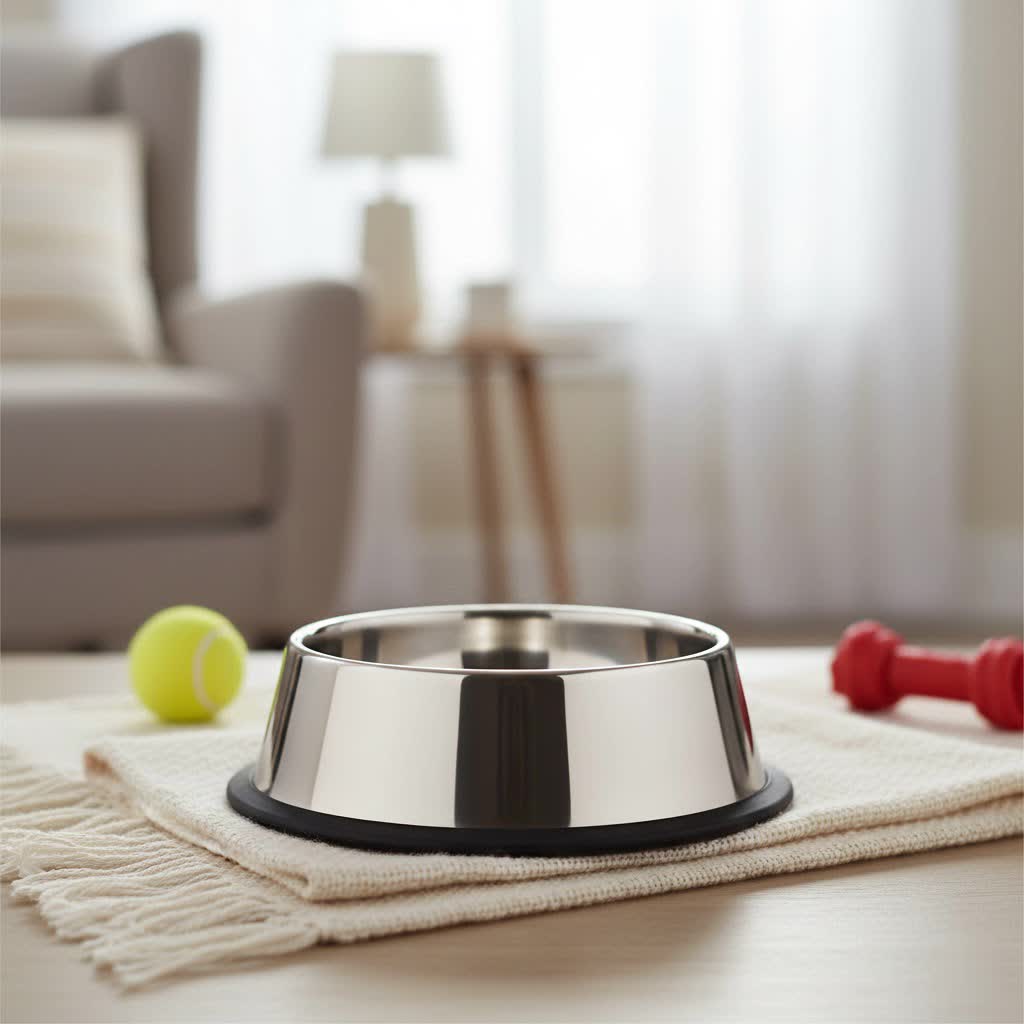
Every culinary enthusiast understands the foundational role of a reliable mixing bowl. While standard sizes handle daily tasks with ease, certain culinary adventures demand something more substantial. Whether you’re a seasoned baker preparing a colossal cake, a host entertaining a large gathering, or simply someone who appreciates ample space for mess-free prep, a truly big mixing bowl transforms your kitchen experience. This guide will delve into everything you need to know about selecting, using, and caring for the largest mixing bowls available, ensuring you find the perfect colossal companion for your kitchen.
What is a Mixing Bowl?
At its core, a mixing bowl is a versatile kitchen vessel primarily designed for combining ingredients. From whisking eggs and stirring batters to tossing salads and kneading dough, these bowls are indispensable tools that facilitate a wide array of cooking and baking processes. Over time, their design and materials have evolved, moving from simple ceramic or wooden forms to a diverse range that includes robust stainless steel, elegant glass, lightweight plastic, and specialized copper, each catering to different culinary needs and preferences. For explore our kitchenware reviews on this site.
Why Go Big? The Undeniable Advantages of a Large Mixing Bowl
The benefits of owning a substantial mixing bowl extend far beyond merely holding more ingredients. For those who frequently cook for large families or host parties, a bigger bowl dramatically reduces effort and cleanup. Its generous capacity effectively contains splatters when vigorously mixing liquids or batters, keeping your countertops cleaner. Beyond mixing, these gargantuan vessels prove incredibly versatile. They are ideal for tossing sizable salads, creating efficient ice baths for chilling delicate custards or large batches of soup, and even serving as impressive, multi-functional centerpieces for entertaining, holding everything from chips and dips to chilled beverages or a vast seafood platter. One expert even suggests it can act as a handy temporary “garbage bowl” during intense prep, keeping your workspace tidy.
Common Sizes and Capacities
Mixing bowls come in a vast range of sizes, but when we talk about “biggest,” we typically move beyond the standard small and medium sets.
- Small (Under 1-2 Liters / 0.5-2 Quarts): Ideal for individual servings, whisking a single egg, or holding small amounts of prepped ingredients.
- Medium (2-4 Liters / 2-4 Quarts): A versatile size for most daily cooking, mixing dry and wet ingredients separately, or kneading moderate amounts of dough.
- Large (4-7 Liters / 4-7 Quarts): Suited for large family meals, frequent baking, or preparing considerable amounts of food.
- Gigantic (7+ Liters / 8+ Quarts and above): These are the true “biggest” mixing bowls, often purchased individually rather than in sets. They are commonly found in commercial kitchens or homes where large-scale cooking, baking, or entertaining is a regular occurrence. They offer maximum splatter protection and unparalleled utility for significant tasks.
Materials for Your Biggest Mixing Bowl
The material of your large mixing bowl significantly impacts its performance, durability, and suitability for various tasks.
Stainless Steel Mixing Bowls
|
Our Picks for the Best Mixing Bowl in 2026
As an Amazon Associate I earn from qualifying purchases.
|
||
| Num | Product | Action |
|---|---|---|
| 1 | Winco , 8-Quart, Stainless Steel (MXB-800Q) |

|
| 2 | WHYSKO Meal Prep Stainless Steel Mixing Bowl (5-Piece Set) Home, Refrigerator, and Kitchen Food Storage Organizers - Ecofriendly, Heavy Duty, No Lids |
|
| 3 | WHYSKO Meal Prep Stainless Steel Mixing Bowls Set, Home, Refrigerator, and Kitchen Food Storage Organizers - Ecofriendly, Reusable, Heavy Duty (Light Blue) |
|
| 4 | Pyrex Sculpted (3-Pack) Glass Mixing Bowls Set With Lids For Prepping, Baking and Cooking, Preheated Oven, Dishwasher, Freezer, and Microwave Safe |
|
| 5 | Pyrex Essentials (3-Piece) Glass Mixing Bowls Set For Prepping, Baking and Cooking, Preheated Oven, Dishwasher, Freezer, and Microwave Safe |
|
| 6 | Priority Chef Premium Mixing Bowls With Lids Set, Airtight Lids, Thicker Stainless Steel, Non-Slip Base, 5 Nesting Steel Bowls for Kitchen, Large Prep Metal Bowl Set 1.5/2/3/4/5 Qt, Black |
|
| 7 | WHYSKO Meal Prep Stainless Steel Mixing Bowls Set, Home, Refrigerator, and Kitchen Food Storage Organizers - Ecofriendly, Reusable, Heavy Duty (Black) |
|
| 8 | WHYSKO Meal Prep Stainless Steel Mixing Bowls Set, Home, Refrigerator, and Kitchen Food Storage Organizers - Ecofriendly, Reusable, Heavy Duty (Blue) |
|
| 9 | WHYSKO Meal Prep Stainless Steel Mixing Bowls Set, Home, Refrigerator, and Kitchen Food Storage Organizers - Ecofriendly, Reusable, Heavy Duty (Khaki) |
|
| 10 | WHYSKO Meal Prep Stainless Steel Mixing Bowls Set, Home, Refrigerator, and Kitchen Food Storage Organizers - Ecofriendly, Reusable, Heavy Duty (Gray) |
|
Advantages: Stainless steel is a top choice for large mixing bowls due to its exceptional durability, lightweight nature, and resistance to rust and corrosion. It is non-reactive, making it safe for all food types, including acidic ingredients. Stainless steel also helps keep ingredients cool, which is beneficial for tasks like whipping cream. It’s easy to clean and often dishwasher-safe.
Disadvantages: Can be noisy when mixing vigorously with metal utensils and may show scratches over time.
Glass Mixing Bowls
Advantages: Glass bowls are non-reactive, making them excellent for acidic foods and marinating. Their transparency allows you to see the contents clearly, and they are generally aesthetically pleasing for serving. Many are microwave and oven safe.
Disadvantages: Glass is heavy, particularly in larger sizes, and can shatter if dropped. It can also be slippery, which might hinder tasks requiring a firm grip.
Plastic Mixing Bowls
Advantages: Plastic bowls are lightweight and typically more affordable than other materials. They are also less prone to breaking if dropped.
Disadvantages: Larger plastic bowls can sometimes feel less sturdy. They are prone to staining and absorbing odors over time, and can scratch easily, creating crevices where bacteria might hide.
Ceramic/Stoneware Mixing Bowls
Advantages: These bowls are non-reactive and excellent for marinating, especially for prolonged periods, and for use with acidic ingredients or fruits, as they don’t absorb smells. They often offer a rustic and appealing aesthetic, making them great for serving.
Disadvantages: Ceramic bowls are heavy and fragile, prone to chipping or breaking if dropped. They may not be ideal for vigorous whisking if they lack a non-slip base.
Copper Mixing Bowls
Advantages: Copper bowls are specifically prized for beating egg whites, as the copper ions react with the egg proteins to create exceptionally stable and voluminous peaks.
Disadvantages: They are reactive with acidic foods and can impart a metallic taste if not used correctly. Copper is also expensive and requires special care to maintain its luster.
Wood Mixing Bowls
Advantages: Wooden bowls offer a beautiful, natural aesthetic and are non-reactive, making them suitable for tossing salads or marinating. They can even impart a subtle, rustic aroma to food.
Disadvantages: They are porous, can absorb odors and stains, and are generally not dishwasher-safe. They require handwashing and occasional oiling to prevent drying and cracking.
Comparing Mixing Bowl Materials
| Feature | Stainless Steel | Glass | Plastic | Ceramic/Stoneware | Copper | Wood |
|---|---|---|---|---|---|---|
| Durability | High | Medium (Fragile) | Medium | Medium (Fragile) | High | Medium |
| Weight (Large) | Lightweight | Heavy | Very Lightweight | Heavy | Medium | Medium |
| Non-Reactivity | Yes | Yes | Yes | Yes | No (acidic foods) | Yes |
| Ease of Cleaning | High | High | Medium | High | Medium (special care) | Low (hand wash only) |
| Versatility | High | High | Medium | Medium | Low (specialized) | Medium |
| Price Range | Mid-High | Mid | Low | Mid-High | High | Mid |
| Best For | General mixing, baking, cold ingredients, high volume | Serving, acidic foods, visibility, microwave | Budget, lightweight, kid-friendly | Marinating, serving, aesthetic, acidic foods | Egg whites | Salads, marinating, aesthetic |
Key Features to Look for in a Large Mixing Bowl
When choosing a big mixing bowl, consider features that enhance usability and convenience:
- Deep Sides: Taller, deeper sides are crucial for preventing splatters when mixing large volumes of ingredients, especially with electric mixers or whisks.
- Non-Slip Base: A silicone or rubberized base provides stability, keeping the bowl firmly in place on your countertop during vigorous mixing, reducing spills and effort.
- Lids: Lids are incredibly useful for meal prep, allowing you to store large batches of dough, salads, or marinated foods directly in the bowl, saving on extra containers.
- Handles/Rims: Wide rims or integrated handles offer a secure grip, making it easier to lift, pour, and stabilize the bowl, particularly when it’s full and heavy.
- Nesting Ability: If you’re buying a set that includes a very large bowl, nesting functionality helps with efficient storage, even if the biggest bowl requires its own dedicated shelf.
Choosing the Biggest Mixing Bowl for Your Needs (Buying Guide)
Selecting the right large mixing bowl depends on your specific kitchen habits and requirements.
- Identify Your Primary Uses: Are you mostly baking large quantities of dough, tossing family-sized salads, making big batches of sauces, or needing a versatile serving piece for entertaining? Your main use case will guide your material and feature choices.
- Consider Kitchen Space and Storage: Gigantic bowls demand significant storage space. Measure your cabinets or pantry shelves to ensure the bowl will fit. If space is tight, consider nesting sets or multi-functional bowls.
- Prioritize Material: Based on your primary uses and desired durability, choose a material. Stainless steel is often the most practical all-rounder for large sizes.
- Evaluate Features: Decide which features like non-slip bases, lids, or pour spouts are essential for your cooking style.
- Set a Budget: Prices vary widely by material, brand, and size. Determine what you’re willing to invest in a high-quality, durable bowl.
- Read Reviews and Research Brands: Look for brands known for quality kitchenware. Reviews often highlight practical aspects like durability, ease of cleaning, and real-world performance.
“A truly large mixing bowl is a game-changer, not just for professional chefs, but for anyone who cooks or bakes regularly. It provides the freedom to work without fear of overflow and opens up possibilities for larger culinary projects.” – Chef Elena Petrova, Culinary Instructor and Author
Top Recommendations for Large Mixing Bowls
While specific models vary, generally, stainless steel mixing bowls are highly recommended for their combination of durability, light weight, and non-reactivity, making them ideal for the biggest sizes. Brands like OXO, FineDine, and Vollrath are often cited for their reliable stainless steel options, some of which come in generous sizes up to 8 quarts or more. For those prioritizing aesthetic and non-reactivity for specific tasks like marinating or serving, high-quality ceramic or glass bowls in larger capacities also offer excellent performance, though with added weight and fragility. Consider commercial-grade stainless steel bowls for truly enormous capacities, often available from restaurant supply stores.
Care and Maintenance for Your Large Mixing Bowl
Proper care ensures your biggest mixing bowl remains a valuable kitchen asset for years.
- Cleaning by Material:
- Stainless Steel & Glass: Most are dishwasher safe. For handwashing, use warm soapy water and a non-abrasive sponge to avoid scratches.
- Plastic: Handwash with warm soapy water to prevent staining and odor absorption, especially after strong-smelling foods.
- Ceramic: Handwash carefully to prevent chipping. Some are dishwasher safe, check manufacturer instructions.
- Copper: Handwash immediately after use with mild soap and water. Dry thoroughly. Avoid harsh chemicals. Polish occasionally to maintain shine.
- Wood: Handwash only with mild soap and water. Never soak. Dry immediately and apply food-grade mineral oil periodically to prevent drying and cracking.
- Drying and Storage: Always dry your bowls thoroughly with a soft cloth to prevent water spots and bacterial growth. For nesting sets, ensure bowls are completely dry before stacking to avoid moisture trapping. For standalone gigantic bowls, dedicate a clear shelf or pantry space.
- Stability During Use: When performing vigorous mixing, especially with a large, heavy bowl, place a damp cloth or a silicone mat underneath the bowl to prevent it from slipping and ensure stability.
Conclusion
The biggest mixing bowl in your kitchen is more than just a container; it’s an investment in efficiency, versatility, and culinary ambition. From ensuring splatter-free baking to facilitating grand entertaining, its sheer capacity and multi-functional nature make it an indispensable tool. By carefully considering materials, essential features, and your unique kitchen needs, you can select a large mixing bowl that will stand the test of time and become a cornerstone of your culinary endeavors. Don’t let limited space deter you; the advantages of a truly gigantic mixing bowl often outweigh the storage considerations, proving its worth with every large batch you prepare.
What culinary creations are you most excited to tackle with your new, biggest mixing bowl?
Frequently Asked Questions
What size mixing bowl is considered “large”?
A mixing bowl is typically considered “large” when its capacity ranges from 4 to 7 liters (or 4 to 7 quarts). However, “gigantic” or “biggest” bowls can be 7 liters (8 quarts) and above, often reaching capacities suitable for commercial use or very extensive home cooking and entertaining.
Is stainless steel the best material for the biggest mixing bowls?
For the biggest mixing bowls, stainless steel is often considered the best material due to its durability, lightweight nature, non-reactivity, and ease of cleaning. It’s robust enough to handle large volumes and heavy mixing, making it a practical choice for most kitchen tasks.
Can a very large mixing bowl be used for more than just mixing?
Absolutely! Beyond mixing, a very large mixing bowl can serve multiple purposes. It’s excellent for tossing large salads, creating ice baths for rapid cooling, acting as an impromptu ice bucket for drinks at parties, serving family-style meals, or even temporarily holding kitchen scraps during prep to keep your workspace tidy.
How do I store a gigantic mixing bowl in a small kitchen?
Storing a gigantic mixing bowl in a small kitchen can be challenging. Look for bowls with nesting capabilities if they are part of a set, or plan to dedicate a specific, spacious shelf in a pantry or base cabinet. Alternatively, consider multi-functional use where the bowl might double as a decorative fruit bowl or serving piece when not in use.
What features are crucial for a large mixing bowl to prevent messes?
Crucial features for a large mixing bowl to prevent messes include deep sides to contain splatters during vigorous mixing and a non-slip base (often silicone or rubberized) to keep the bowl stable on the countertop. Lids are also highly beneficial for storing prepared foods and preventing spills during transport.
Cooking gear we tested in our own kitchens
Free PDF — preheat times measured on 10 popular air fryers.
