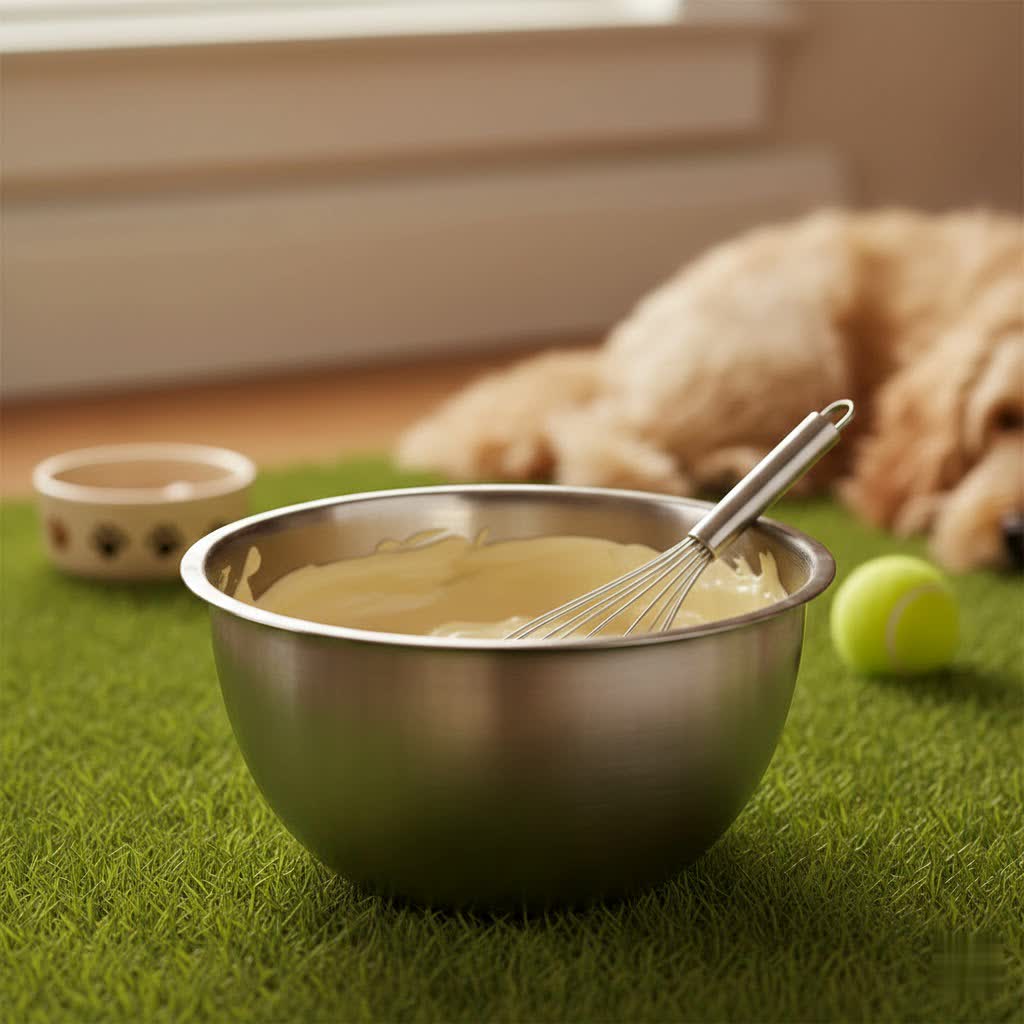
For any avid sourdough baker, the mixing bowl is far more than just a container; it’s a vital piece of equipment that accompanies your dough from its nascent stages through its transformative bulk fermentation. Just like a seasoned artisan selects the perfect canvas, choosing the right sourdough mixing bowl significantly impacts the ease of your baking process and the quality of your final loaf. With countless options available, understanding the nuances of different materials, sizes, and features can elevate your sourdough journey, making every stretch, fold, and rise a more enjoyable and successful experience.
What is a Mixing Bowl in Sourdough Baking?
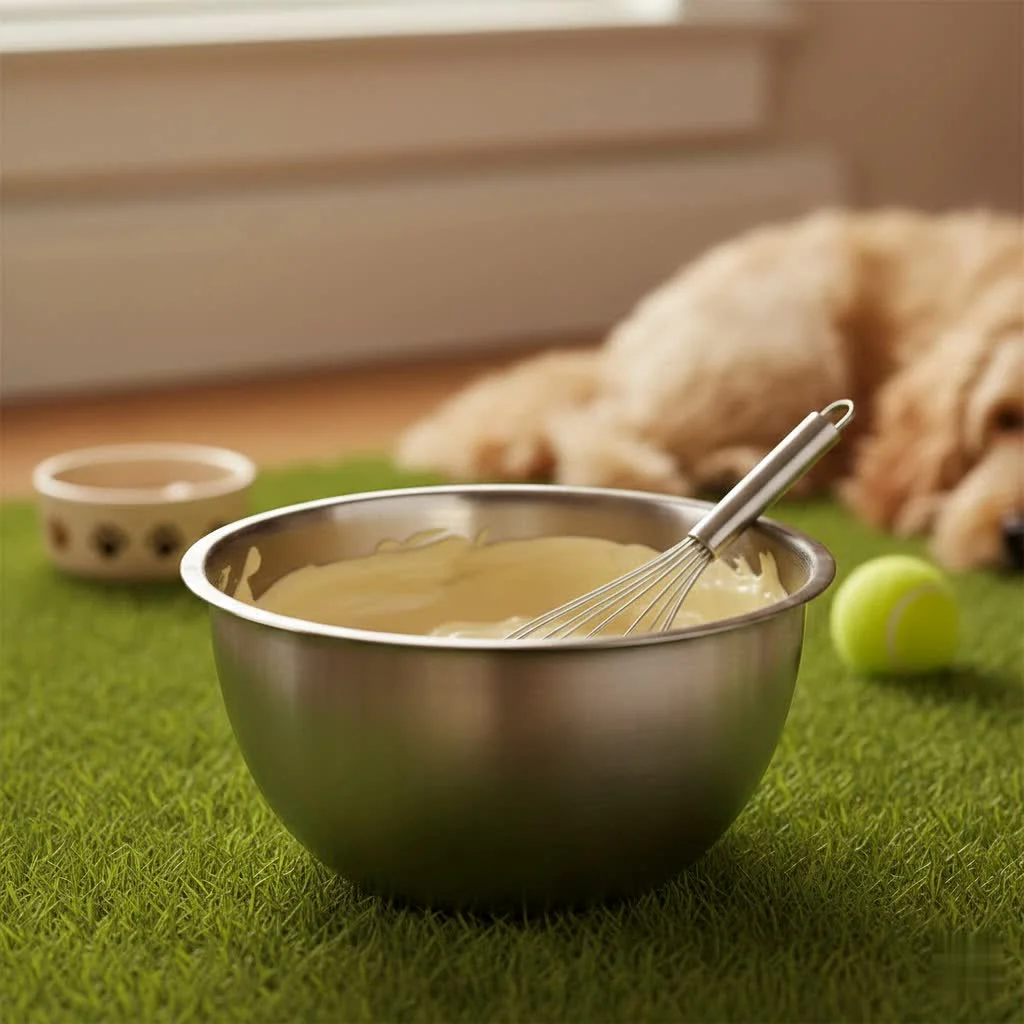
A mixing bowl in sourdough baking serves as the primary vessel for various crucial steps in the bread-making process. From the initial autolyse, where flour and water begin to hydrate, to the gentle incorporation of your active sourdough starter, and through the prolonged bulk fermentation where the dough develops its structure and flavor, the bowl is a constant companion. Historically, early bakers relied on simple wooden or ceramic vessels, demonstrating that the fundamental need for a sturdy container to mix and hold fermenting dough has remained unchanged for millennia. Modern bowls, however, offer enhanced features and materials that cater to the unique demands of sourdough, such as accommodating its acidic nature and allowing for precise observation of its development. For more kitchenware guides on this site.
Popular Types of Sourdough Mixing Bowls by Material
The material of your mixing bowl profoundly influences its performance, durability, and suitability for sourdough. Each type presents a distinct set of advantages and disadvantages that bakers weigh based on their preferences and baking routines.
Stainless Steel Mixing Bowls
Stainless steel bowls are a staple in both professional and home kitchens, and for good reason.
- Advantages: They are non-reactive, making them perfectly safe for sourdough’s acidic environment without any risk of leaching or metallic off-flavors. Stainless steel is renowned for its durability, resisting breakage, chips, and stains. They are typically lightweight and easy to handle, even in larger capacities, and are incredibly easy to clean. Their non-porous surface ensures no odors or colors are absorbed.
- Disadvantages: Their lightweight nature can sometimes be a drawback; during vigorous mixing or coil folds, a stainless steel bowl might shift if not held securely. They are also not microwave-safe.
- Applications: Ideal for general mixing, incorporating ingredients, and bulk fermentation where observing the internal structure isn’t a priority. Many bakers use them for the entire process, valuing their robustness and hygiene.
Glass Mixing Bowls
|
Our Picks for the Best Mixing Bowl in 2026
As an Amazon Associate I earn from qualifying purchases.
|
||
| Num | Product | Action |
|---|---|---|
| 1 | WHYSKO Meal Prep Stainless Steel Mixing Bowl (5-Piece Set) Home, Refrigerator, and Kitchen Food Storage Organizers - Ecofriendly, Heavy Duty, No Lids |

|
| 2 | Priority Chef Premium Mixing Bowls With Lids Set, Airtight Lids, Thicker Stainless Steel, Non-Slip Base, 5 Nesting Steel Bowls for Kitchen, Large Prep Metal Bowl Set 1.5/2/3/4/5 Qt, Black |
|
| 3 | WHYSKO Meal Prep Stainless Steel Mixing Bowls Set, Home, Refrigerator, and Kitchen Food Storage Organizers - Ecofriendly, Reusable, Heavy Duty (Blue) |
|
| 4 | Pyrex Sculpted (3-Pack) Glass Mixing Bowls Set With Lids For Prepping, Baking and Cooking, Preheated Oven, Dishwasher, Freezer, and Microwave Safe |
|
| 5 | WHYSKO Meal Prep Stainless Steel Mixing Bowls Set, Home, Refrigerator, and Kitchen Food Storage Organizers - Ecofriendly, Reusable, Heavy Duty (Khaki) |
|
| 6 | WHYSKO Meal Prep Stainless Steel Mixing Bowls Set, Home, Refrigerator, and Kitchen Food Storage Organizers - Ecofriendly, Reusable, Heavy Duty (Gray) |
|
| 7 | WHYSKO Meal Prep Stainless Steel Mixing Bowls Set, Home, Refrigerator, and Kitchen Food Storage Organizers - Ecofriendly, Reusable, Heavy Duty (Light Blue) |
|
| 8 | WHYSKO Meal Prep Stainless Steel Mixing Bowls Set, Home, Refrigerator, and Kitchen Food Storage Organizers - Ecofriendly, Reusable, Heavy Duty (Black) |
|
| 9 | Winco , 8-Quart, Stainless Steel (MXB-800Q) |
|
| 10 | Pyrex Essentials (3-Piece) Glass Mixing Bowls Set For Prepping, Baking and Cooking, Preheated Oven, Dishwasher, Freezer, and Microwave Safe |
|
Glass bowls offer a unique advantage that many sourdough bakers cherish.
- Advantages: The most significant benefit is their transparency, allowing bakers to visually monitor the dough’s fermentation, observe bubble development, and track its rise with precision. They are typically heavy and stable, providing a solid base that resists movement during stretch and folds. Glass bowls are non-reactive and often microwave-safe, dishwasher-safe, and can even be used in the oven (check specific product ratings).
- Disadvantages: Their primary drawback is fragility; glass can break or chip if dropped or subjected to sudden temperature changes. They are also generally heavier than stainless steel, which might be a consideration for some.
- Applications: Excellent for detailed observation of starter activity and bulk fermentation, especially for beginners learning to gauge dough readiness. Heavy glass bowls are also favored for rigorous mixing and folding techniques.
Plastic Mixing Bowls (Food-Grade)
While sometimes viewed less traditionally, modern food-grade plastic bowls offer practical benefits for sourdough.
- Advantages: They are lightweight, non-reactive (especially food-grade polypropylene), and often boast surfaces from which dough releases easily, sometimes even without added oil. Many plastic tubs, like Cambros, are designed with straight sides and volume markings, which are incredibly useful for accurately tracking dough rise during bulk fermentation. They are also shatterproof.
- Disadvantages: Lower quality plastics can absorb odors and stains over time. Not all plastics are heat-safe or microwave-safe. There’s a preference for BPA-free plastics for food contact.
- Applications: Highly favored for bulk fermentation due to their clear markings and stackability. Great for everyday mixing and for bakers who prioritize lightweight tools and ease of dough release.
Ceramic and Stoneware Mixing Bowls
Ceramic and stoneware bowls bring a classic aesthetic and robust feel to the sourdough kitchen.
- Advantages: These bowls are heavy and stable, much like glass, making them excellent for preventing movement during intensive mixing. They are non-reactive and can be very attractive, adding a touch of traditional charm. Many are microwave-safe and oven-safe, offering versatility.
- Disadvantages: Similar to glass, they are fragile and can chip or break. They are also heavy, which might be cumbersome for some. Their opacity means you cannot observe the internal fermentation progress.
- Applications: Ideal for mixing, adding a traditional touch to your kitchen, and for those who appreciate the heft and stability of a solid bowl.
Wood Mixing Bowls
Wood bowls, while beautiful and traditional, are less commonly recommended for the entire sourdough process.
- Advantages: They are aesthetically pleasing and can add a rustic feel.
- Disadvantages: Wood is porous, meaning it can absorb moisture, odors, and bacteria, making them difficult to sanitize thoroughly, especially with sticky sourdough. They are reactive to acids over time and can warp or crack with repeated wetting and drying.
- Applications: Primarily decorative or for very light, dry mixing. Not recommended for bulk fermentation or long contact with acidic, wet dough.
Factors to Consider: Your Sourdough Mixing Bowl Buying Guide
Selecting the ideal mixing bowl for sourdough involves more than just picking a material. Consider these factors to find your perfect match:
1. Capacity: Size Matters for Sourdough
Sourdough dough undergoes significant expansion during bulk fermentation. A bowl that’s too small will lead to overflow and messy mishaps. For a standard loaf (using 500g of flour), a 3 to 4-quart (approximately 3-4 liter) bowl is usually sufficient, allowing plenty of headspace for the dough to double in volume. If you frequently bake larger batches or multiple loaves, opt for a 6 to 8-quart bowl. Many bakers find it beneficial to have a set of various sizes for different tasks, from preparing starter feeds to mixing large dough batches.
2. Shape and Bottom: Stability and Observation
- Flat Bottoms: Essential for stability. Bowls with flat, sturdy bottoms prevent wobbling and toppling, especially when performing vigorous stretch and folds or using a dough scraper.
- Straight Sides: While not strictly necessary, straight-sided bowls, particularly those with graduated markings, are incredibly useful for precisely monitoring the dough’s rise. This visual cue is invaluable for judging when bulk fermentation is complete, a critical factor for successful sourdough.
3. Non-Reactivity: A Sourdough Must
Sourdough is acidic, and certain materials can react with this acidity, potentially imparting off-flavors or even leaching undesirable compounds into your dough. Always choose non-reactive materials like stainless steel, glass, ceramic, or food-grade polypropylene plastic. Avoid aluminum or other reactive metals.
4. Weight and Stability: Handling Your Dough
- Heavy Bowls (Glass, Ceramic): Offer superior stability during mixing and folding, preventing the bowl from lifting with the sticky dough. This can be particularly helpful for new bakers or when dealing with high-hydration doughs.
- Lightweight Bowls (Stainless Steel, Plastic): Easier to move around, especially when full. However, they may require you to hold them steady during stretch and folds. Consider your comfort and strength.
5. Lids and Covers: For Proofing and Storage
While plastic wrap or a kitchen towel can suffice, a mixing bowl with a tight-fitting lid is a convenient feature for covering dough during proofing or for refrigerating sourdough starter or dough. Lids help maintain a consistent environment and prevent the dough from drying out.
6. Durability and Care: Longevity in Your Kitchen
Invest in a bowl that can withstand the rigors of frequent sourdough baking.
- Stainless steel is virtually indestructible.
- Thick glass and ceramic are durable but require careful handling.
- Food-grade plastic is resilient but can sometimes scratch or warp if exposed to excessive heat.
Consider how easy each material is to clean – sticky sourdough residue benefits from smooth, non-porous surfaces.
Comparison Table: Sourdough Mixing Bowl Materials
| Material | Advantages for Sourdough | Disadvantages | Best for Sourdough Use | Price Range (General) |
|---|---|---|---|---|
| Stainless Steel | Non-reactive, durable, lightweight, easy to clean, non-porous. | Can be too light/shift during vigorous mixing, not microwave-safe. | All-purpose mixing, bulk fermentation, easy cleanup. | Low to Medium |
| Glass | Transparency for observation, heavy/stable, non-reactive, microwave-safe. | Fragile (can chip/break), heavy. | Monitoring fermentation, stability during folds, starter cultivation. | Medium |
| Plastic (Food-Grade) | Lightweight, easy dough release, volume markings (on some), shatterproof, non-reactive. | Can absorb odors/stains (lower quality), not always heat/microwave-safe. | Bulk fermentation (especially tubs with markings), general mixing, lightweight handling. | Low |
| Ceramic/Stoneware | Heavy/stable, non-reactive, aesthetic, versatile (oven/microwave-safe). | Fragile (can chip/break), heavy, opaque (no visual fermentation tracking). | Mixing, traditional appeal, stable base. | Medium to High |
Top Mixing Bowls for Sourdough Bakers Today
Based on performance, durability, and features crucial for sourdough, several types and brands consistently earn high marks from bakers:
- Heavy-Duty Glass Bowls (e.g., Pyrex, Anchor Hocking): These remain a top choice, especially for beginners. Their transparency is invaluable for observing the nuanced activity of your dough, from initial starter bubbles to the final bulk fermentation volume. The weight provides excellent stability during handling. Many bakers appreciate the affordability and wide availability of these classic options.
- Vollrath Stainless Steel Mixing Bowls: Widely praised for their professional-grade quality, Vollrath bowls often feature flat bases for stability and come in a wide range of sizes. They are durable, non-reactive, and easy to sanitize, making them an excellent workhorse for any sourdough kitchen. Their lighter weight compared to glass also makes them easy to maneuver.
- Mason Cash Ceramic Mixing Bowls: For those who value both function and aesthetics, Mason Cash bowls are iconic. Their substantial weight offers stability, and their beautiful designs add character to your baking space. While opaque, their robustness makes them reliable for mixing and short proofing periods.
- Cambro Food Storage Containers (Polypropylene): Although technically storage containers, their straight sides and clear volume markings make them a favorite among serious sourdough enthusiasts for precise bulk fermentation tracking. They are lightweight, durable, and the dough releases easily. Ensure you choose BPA-free options.
The “best” bowl often comes down to personal preference, but a combination of glass (for observation) and stainless steel (for versatility and durability) forms an excellent foundation for any sourdough baker.
Cleaning and Storing Your Sourdough Mixing Bowls
Proper care extends the life of your mixing bowls and ensures hygiene in your baking. Sourdough dough, with its sticky nature, requires a slightly different approach to cleaning.
- General Cleaning:
- Stainless Steel, Glass, Ceramic: Hot soapy water and a sponge are usually sufficient. For stubborn, dried-on dough, a short soak in warm water will loosen it, making scraping much easier. These materials are generally dishwasher safe.
- Plastic: Wash immediately after use to prevent stains and odors from setting in. Warm soapy water is best. Ensure they are completely dry before storing to prevent mildew. Check if they are dishwasher safe.
- Wood: Hand wash gently with mild soap and water, avoiding prolonged soaking. Dry thoroughly immediately after washing and oil periodically to maintain the wood.
- Removing Sticky Dough:
- For all materials, resist the urge to immediately scrub dry dough. Instead, fill the bowl with warm water and let it soak for 10-15 minutes. The dough will rehydrate and become much easier to scrape off with a rubber spatula or bench scraper.
- Storage:
- Stacking bowls (especially those designed to nest) saves space. Ensure glass and ceramic bowls are stored carefully to prevent chipping, perhaps with a soft cloth between them. Store bowls in a dry, accessible area to encourage frequent use.
Conclusion
Choosing the right sourdough mixing bowl is an investment in your baking success and enjoyment. Whether you prefer the transparency of glass to meticulously track your dough’s rise, the unbreakable resilience of stainless steel for everyday tasks, or the practicality of food-grade plastic for bulk fermentation, understanding the unique characteristics of each material is key. Remember to prioritize non-reactivity, adequate capacity, and a stable base. With the perfect dough companion by your side, you’re well-equipped to nurture your starter, develop your dough, and ultimately, bake exquisite sourdough bread that fills your home with warmth and aroma. What will your next sourdough masterpiece be?
Frequently Asked Questions
What size mixing bowl is best for sourdough?
For a single standard sourdough loaf made with 500g of flour, a 3 to 4-quart (approximately 3-4 liter) mixing bowl is recommended. This provides ample space for the dough to expand and undergo its bulk fermentation without overflowing, ensuring optimal development.
Can I use a metal bowl for sourdough?
Yes, you can absolutely use a metal bowl for sourdough, provided it is made of stainless steel. Stainless steel is non-reactive, meaning it will not interact with the acidic sourdough dough, preventing any metallic taste or leaching of undesirable substances into your bread.
Why do sourdough bakers like glass bowls?
Sourdough bakers often prefer glass bowls because their transparency allows for easy visual monitoring of the dough’s fermentation process. You can clearly see bubble development, track the dough’s rise, and gauge its readiness, which is particularly beneficial for learning bakers.
Is it better to proof sourdough in a plastic or glass bowl?
Both plastic and glass bowls are suitable for proofing sourdough. Glass offers the advantage of visual tracking of fermentation, while food-grade plastic, especially containers with straight sides and volume markings, provides precise measurement of dough expansion and is less prone to breakage.
How do I prevent sourdough from sticking to my mixing bowl?
To prevent sourdough from sticking, lightly oil your mixing bowl before adding the dough, especially for plastic or stainless steel. Additionally, ensure your hands are damp when handling the dough during stretch and folds, and allow dried dough to soak in warm water before attempting to clean it.
Cooking gear we tested in our own kitchens
Free PDF — preheat times measured on 10 popular air fryers.
