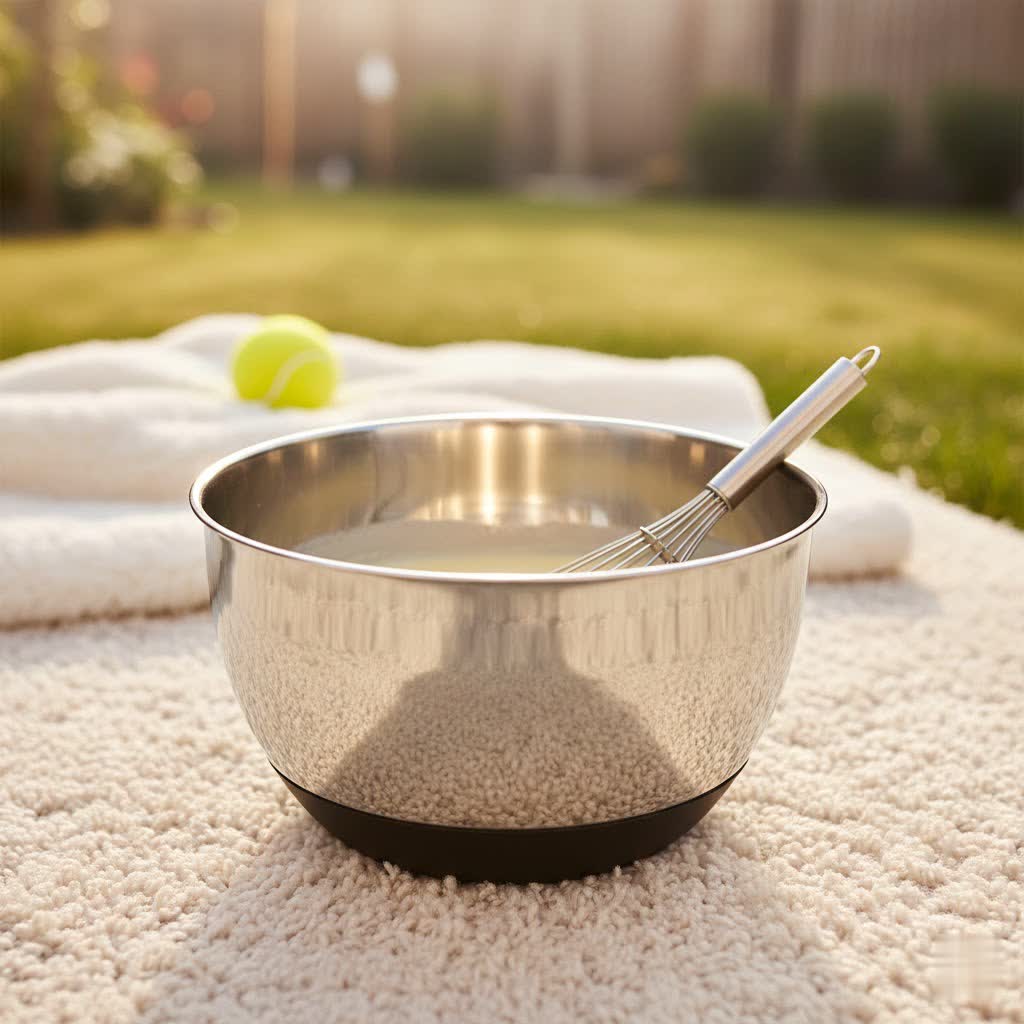
Step into any vintage kitchen, and you’re likely to find a treasured set of mixing bowls, each piece whispering tales of countless culinary creations. More than just utilitarian tools, vintage mixing bowl sets are iconic symbols of craftsmanship, durability, and a bygone era of home baking. Whether you’re a seasoned collector seeking rare patterns or a modern baker yearning for a touch of timeless elegance, understanding these beloved kitchen staples can transform your culinary space and spark a new appreciation for the art of mixing.
What is a Mixing Bowl, and Why Go Vintage?
At its core, a mixing bowl is a fundamental kitchen vessel designed for combining ingredients. From whipping eggs and stirring batter to kneading dough and tossing salads, its purpose is as ancient as cooking itself. Historically, mixing bowls evolved from simple wooden and earthenware vessels to the diverse materials and designs we see today.
The allure of a vintage mixing bowl set lies in its unique blend of history, aesthetic appeal, and often, superior quality. Unlike many mass-produced modern alternatives, vintage bowls often boast robust construction, distinctive patterns, and vibrant colors that add character and warmth to any kitchen. They connect us to a past where kitchenware was built to last, often becoming cherished heirlooms passed down through generations. These sets are not just tools; they are conversation pieces, reflecting design trends and manufacturing prowess from decades ago, making them irresistible to collectors and home decorators alike.
Popular Types of Vintage Mixing Bowl Sets
Vintage mixing bowls come in a delightful array of materials, each offering distinct characteristics and historical charm. Understanding these differences is key to appreciating and selecting the perfect set.
By Material
-
Glass Mixing Bowls (Pyrex, Fire King)
- Pyrex: Perhaps the most iconic name in vintage glass mixing bowls, Pyrex sets are celebrated for their heat resistance and vibrant, enduring patterns. Introduced by Corning Glass Works in 1915, Pyrex quickly became a kitchen staple. Early clear glass pieces sometimes had a yellowish tint due to arsenic used in manufacturing until 1934, while later Flameware (1936 onwards) often featured a blue tint. Highly sought-after patterned sets like Butterprint, Gooseberry, Pink Daisy, and Primary Colors are particularly popular among collectors. Pyrex also produced the unique Cinderella bowls, characterized by a lip on either side, designed for easier pouring and gripping.
- Pros: Durable, non-reactive, visually appealing patterns, good for microwave use (though metallic painted pieces should be avoided), excellent for viewing contents.
- Cons: Can chip or break if dropped, patterns can fade with harsh dishwashing, can be heavy.
- Fire King: Introduced by Anchor Hocking in 1942, Fire King glass mixing bowls were designed to be oven-safe and highly durable. They are renowned for their distinctive opaque colors, most famously the serene Jadeite green, but also Peach Lustre and Azur-ite blue. Fire King sets often feature simple yet elegant designs that epitomize mid-century kitchen aesthetics.
- Pros: Extremely durable, oven-safe, unique opaque colors, adds retro charm.
- Cons: Can be heavy, can show wear and tear like scratches more visibly on opaque surfaces.
- Pyrex: Perhaps the most iconic name in vintage glass mixing bowls, Pyrex sets are celebrated for their heat resistance and vibrant, enduring patterns. Introduced by Corning Glass Works in 1915, Pyrex quickly became a kitchen staple. Early clear glass pieces sometimes had a yellowish tint due to arsenic used in manufacturing until 1934, while later Flameware (1936 onwards) often featured a blue tint. Highly sought-after patterned sets like Butterprint, Gooseberry, Pink Daisy, and Primary Colors are particularly popular among collectors. Pyrex also produced the unique Cinderella bowls, characterized by a lip on either side, designed for easier pouring and gripping.
-
Ceramic and Stoneware Mixing Bowls (Mason Cash, McCoy, Yellowware)
- Mason Cash: An enduring British brand, Mason Cash has produced its distinctive “cane ware” mixing bowls since the early 1800s. Recognizable by their creamy white interior and textured exterior, often with a subtle cane pattern, these earthenware bowls are celebrated for their timeless design and exceptional durability. The design often includes a “grip stand” — a raised pattern and overhanging rim for steady mixing.
- Pros: Extremely durable, heavy and stable for mixing, classic aesthetic, non-reactive.
- Cons: Can chip or crack if dropped, generally not oven or microwave safe (unless explicitly stated for modern versions).
- McCoy: An American ceramics company active since 1848, McCoy produced a wide range of pottery, including desirable yellowware mixing bowls. These often feature distinctive banded designs and sturdy forms. Many early McCoy pieces were not stamped with a maker’s mark, adding to the thrill of identification for collectors.
- Pros: Historical significance, robust construction, unique folk art aesthetic.
- Cons: Can be heavy and prone to chipping, often unmarked making identification challenging for novices.
- Yellowware: This category refers to pottery made from distinct yellow clay, popular since the early 19th century. Yellowware bowls are characterized by their natural yellow hue, often adorned with simple banded designs in white or brown. The color of the clay is typically visible on unglazed rims or chips. Earliest pieces were often hand-thrown and unmarked, while later pieces were molded and sometimes marked.
- Pros: Authentic rustic charm, excellent for farmhouse or traditional kitchen decor, sturdy for mixing.
- Cons: Can be heavy, prone to chipping, may not be suitable for modern appliance use (microwave/oven).
- Mason Cash: An enduring British brand, Mason Cash has produced its distinctive “cane ware” mixing bowls since the early 1800s. Recognizable by their creamy white interior and textured exterior, often with a subtle cane pattern, these earthenware bowls are celebrated for their timeless design and exceptional durability. The design often includes a “grip stand” — a raised pattern and overhanging rim for steady mixing.
By Features and Design
|
Our Picks for the Best Mixing Bowl in 2026
As an Amazon Associate I earn from qualifying purchases.
|
||
| Num | Product | Action |
|---|---|---|
| 1 | WHYSKO Meal Prep Stainless Steel Mixing Bowls Set, Home, Refrigerator, and Kitchen Food Storage Organizers - Ecofriendly, Reusable, Heavy Duty (Blue) |

|
| 2 | WHYSKO Meal Prep Stainless Steel Mixing Bowls Set, Home, Refrigerator, and Kitchen Food Storage Organizers - Ecofriendly, Reusable, Heavy Duty (Khaki) |
|
| 3 | Priority Chef Premium Mixing Bowls With Lids Set, Airtight Lids, Thicker Stainless Steel, Non-Slip Base, 5 Nesting Steel Bowls for Kitchen, Large Prep Metal Bowl Set 1.5/2/3/4/5 Qt, Black |
|
| 4 | WHYSKO Meal Prep Stainless Steel Mixing Bowls Set, Home, Refrigerator, and Kitchen Food Storage Organizers - Ecofriendly, Reusable, Heavy Duty (Light Blue) |
|
| 5 | WHYSKO Meal Prep Stainless Steel Mixing Bowls Set, Home, Refrigerator, and Kitchen Food Storage Organizers - Ecofriendly, Reusable, Heavy Duty (Gray) |
|
| 6 | Pyrex Essentials (3-Piece) Glass Mixing Bowls Set For Prepping, Baking and Cooking, Preheated Oven, Dishwasher, Freezer, and Microwave Safe |
|
| 7 | WHYSKO Meal Prep Stainless Steel Mixing Bowls Set, Home, Refrigerator, and Kitchen Food Storage Organizers - Ecofriendly, Reusable, Heavy Duty (Black) |
|
| 8 | WHYSKO Meal Prep Stainless Steel Mixing Bowl (5-Piece Set) Home, Refrigerator, and Kitchen Food Storage Organizers - Ecofriendly, Heavy Duty, No Lids |
|
| 9 | Winco , 8-Quart, Stainless Steel (MXB-800Q) |
|
| 10 | Pyrex Sculpted (3-Pack) Glass Mixing Bowls Set With Lids For Prepping, Baking and Cooking, Preheated Oven, Dishwasher, Freezer, and Microwave Safe |
|
- Nesting Sets: A hallmark of efficiency and space-saving, most vintage mixing bowl sets, regardless of material, were designed to nest neatly within each other. This feature not only conserves cabinet space but also makes for a visually pleasing display.
- Cinderella Bowls: Exclusively a Pyrex design, Cinderella bowls feature two spouts and two handles (one small, one large) opposite each other, making pouring and holding exceptionally easy. These are highly collectible due to their unique functionality and often vibrant patterns.
- Banded Designs: Common in ceramic and stoneware, especially yellowware and McCoy, banded designs add a simple yet elegant decorative touch to the bowls. The number and color of bands can sometimes help date the piece.
- Gripstand Features: Some ceramic bowls, like those from Mason Cash and T.G. Green, incorporate external raised patterns and a footed base designed to help the user grip the bowl more securely and tilt it for easier mixing. These are characteristic of bowls from the 1930s-1950s.
Key Vintage Mixing Bowl Brands and Their Stories
The stories behind these revered brands add depth to their appeal, transforming simple kitchen items into pieces of culinary history.
Pyrex: The Innovator in Ovenware
Pyrex emerged in 1915 from Corning Glass Works in New York, revolutionizing home baking with its heat-resistant glass ovenware. Initially, Pyrex offered clear glass dishes, but by the 1940s, it introduced colored and patterned pieces that became iconic. The brand became synonymous with durability and convenience. Women played a crucial role in Pyrex’s development, testing and promoting its versatility. Collectors obsess over specific patterns, with pieces from 1950s and 60s like Butterprint (featuring Amish scenes) and Gooseberry (with its delicate berry and vine motif) commanding high prices. Authentic Pyrex can often be identified by back stamps used between 1915 and 1965, or by the subtle tint in older clear glass.
Fire King: Mid-Century Modern Charm
Anchor Hocking introduced the Fire King brand in 1942, quickly establishing it as a leader in affordable, durable oven-safe glassware. Fire King’s appeal lay in its practical design and array of appealing colors. The most famous, Jadeite, a milky green, became a symbol of post-war American kitchens. Other popular colors included Peach Lustre and Azur-ite blue. These bowls were not just for baking; their attractive appearance made them perfect for serving, blending seamlessly into mid-century modern aesthetics. Fire King bowls are cherished for their robust quality and the nostalgic warmth they bring to a kitchen.
Mason Cash: A Legacy of Earthenware
Originating in Church Gresley, England, in the early 19th century, Mason Cash became globally renowned for its “white and cane” glazed earthenware. While pottery production began earlier, the first iconic Mason Cash mixing bowl was created in 1901. Its signature design, with a wide, textured rim and robust body, was engineered for stability and grip, a feature often replicated but rarely matched. These bowls have graced kitchens for over two centuries and are still produced today, testament to their timeless design and functionality. They symbolize classic British baking and have appeared in countless films and television shows.
McCoy: American Pottery Heritage
The J.W. McCoy Pottery Company, founded in Ohio in 1848, played a significant role in American ceramics, particularly with its yellowware. McCoy’s mixing bowls are recognized for their sturdy build and often feature distinct banded patterns. While later McCoy pieces were clearly marked, many earlier yellowware items were left unstamped, making identification a delightful challenge for collectors. These bowls represent a piece of American craftsmanship, valued for their historical connection to domestic life and rustic charm.
Buying Guide: How to Choose Your Vintage Mixing Bowl Set
Acquiring a vintage mixing bowl set is a journey that blends practicality with passion. Here’s how to make an informed choice:
1. Determine Your Purpose
Are you a collector aiming for specific patterns or brands, a baker planning to use the bowls daily, or a decorator seeking aesthetic accents? Your primary use will guide your material and condition requirements. For daily use, prioritize durability and ease of cleaning. For collecting, rarity and condition (minimal chips, no cracks, vibrant patterns) are paramount.
2. Material Matters
- Glass (Pyrex, Fire King): Excellent for visibility, non-reactive, and often microwave-safe (avoid metallic patterns). Look for vibrant colors and clear patterns.
- Ceramic/Stoneware (Mason Cash, McCoy, Yellowware): Offers weight and stability for vigorous mixing, and a classic, rustic aesthetic. Consider glaze quality and any crazing (fine cracks in the glaze, common in older pieces but can affect food safety).
- Stainless Steel (Less common for “vintage” collecting focus, but exist): Durable and lightweight, but lacks the distinct vintage aesthetic of glass or ceramic.
3. Consider Size and Set Configuration
Vintage sets typically come in graduated sizes, designed to nest. Think about the types of baking and cooking you do most often. A set of three to four nesting bowls usually covers most needs. Look for complete sets if collecting, as these often hold more value.
4. Authenticity and Condition Checks
This is crucial for vintage items.
- Maker’s Marks: For Pyrex, look for back stamps (used 1915-1965). Fire King typically has an Anchor Hocking mark. McCoy pieces, especially early yellowware, might be unmarked.
- Examine for Damage: Check for chips, cracks, and significant scratches. Even minor flaws can impact value, especially for Pyrex and Fire King. Crazing on ceramic bowls is common and generally acceptable for display but can be a concern for food safety if severe.
- Pattern and Color Fading: For patterned Pyrex, inspect the decals for signs of fading, particularly from dishwasher exposure. Vibrant, intact patterns are highly desirable.
- Glass Tint: For early clear Pyrex (pre-1934), a slight yellowish tint is a sign of authenticity. Flameware (1936-post-WWII) might have a blue tint.
- Rim Shape (Yellowware): A smooth rolled rim is older, while a “collared” or “shouldered” rim dates from 1900-1940.
5. Where to Find Them
- Online Marketplaces: Etsy and eBay are excellent sources for a wide variety of vintage mixing bowl sets, often with detailed descriptions and photos.
- Antique Stores and Flea Markets: Offer the chance to inspect items in person and negotiate prices. It’s also where many hidden gems are found.
- Estate Sales and Thrift Stores: Can yield incredible finds at bargain prices, though it requires patience and a keen eye.
- Facebook Marketplace: A local option for finding secondhand treasures, often just around the corner.
6. Budgeting for Vintage
Prices for vintage mixing bowl sets vary wildly depending on brand, rarity, pattern, condition, and completeness. Basic sets might be affordable, while rare Pyrex patterns or pristine Jadeite Fire King can fetch hundreds or even thousands of dollars. Set a budget, but be prepared to invest more for truly exceptional pieces.
Top 5 Vintage Mixing Bowl Sets to Look For
While personal preference always reigns, some vintage mixing bowl sets consistently stand out for their beauty, collectibility, and iconic status.
- Pyrex Butterprint/Amish Butterprint Set: This pattern, introduced in 1957, features an appealing design of roosters, wheat sheaves, and corn stalks in white on turquoise or black, or turquoise on white. It’s highly recognizable and a cornerstone for many Pyrex collectors.
- Fire King Jadeite Swirl Mixing Bowl Set: The serene, milky green of Jadeite is unmistakable. Fire King’s swirl pattern in Jadeite is a classic, embodying the nostalgic charm of mid-century kitchens. These sets are incredibly popular for both display and use.
- Pyrex Primary Colors Nesting Bowl Set: The foundational Pyrex set, these solid red, blue, green, and yellow bowls are timeless. They represent the brand’s early foray into colored glassware and are a must-have for any serious collector or vintage enthusiast.
- Mason Cash Cane Ware Set: The quintessential “English mixing bowl,” a classic cane ware set from Mason Cash adds immediate rustic elegance to any kitchen. Their durability and iconic design make them a perennial favorite.
- Pyrex Gooseberry Nesting Bowl Set: Introduced in 1957, the Gooseberry pattern is beloved for its delicate white gooseberry and leaf motif on pink, or black on yellow. The pink and white version, in particular, is highly sought after.
Care and Maintenance for Vintage Mixing Bowls
To ensure your vintage mixing bowl set remains a cherished part of your kitchen for years to come, proper care is essential.
- Handwashing is Key: For patterned Pyrex and Fire King, always handwash with mild soap and a soft cloth. Dishwashers, especially older models or those using harsh detergents, can etch the glass and cause patterns to fade or flake over time.
- Avoid Abrasive Cleaners: Steel wool or harsh scouring pads can scratch glass and ceramic surfaces, damaging both the finish and any delicate patterns.
- Gentle Drying: Allow bowls to air dry or use a soft towel. Avoid stacking wet bowls directly after washing, as moisture can sometimes lead to ‘sickness’ or haze on glass.
- Temperature Precautions: While Pyrex and Fire King were designed for oven use, modern ovens can reach higher, more consistent temperatures than older ones. To preserve their integrity, avoid extreme thermal shock (e.g., placing a hot bowl directly into cold water or vice-versa). For vintage glass with patterns, avoid microwaving if any metallic paint is present, as this can spark.
- Storage: Nesting bowls are designed to be stored one inside another, but to prevent scratches, consider placing a soft cloth or paper towel between each bowl. Store in a secure cabinet where they are less likely to be bumped or dropped.
- For Display Only: If a bowl has significant crazing, cracks, or chips, it may be best to relegate it to decorative use to avoid food safety concerns or further damage.
Conclusion
Vintage mixing bowl sets are more than just cooking utensils; they are a celebration of history, design, and the enduring joy of the home kitchen. From the vibrant patterns of Pyrex and the iconic hues of Fire King to the timeless craftsmanship of Mason Cash and McCoy’s rustic yellowware, each set tells a unique story. Whether you’re carefully selecting pieces for a growing collection or choosing a durable set for daily culinary adventures, understanding their origins, characteristics, and proper care will ensure these beautiful pieces continue to be treasured for generations. Which vintage mixing bowl set will inspire your next baking masterpiece?
Frequently Asked Questions
Are vintage Pyrex mixing bowls safe to use today?
Yes, vintage Pyrex bowls are generally safe for cooking and baking, provided they are in good condition without significant cracks or chips. However, for patterned Pyrex, it’s best to handwash to prevent pattern fading, and avoid sudden temperature changes (thermal shock) to preserve the glass.
How can I tell if my vintage mixing bowl is valuable?
The value of a vintage mixing bowl depends on its brand, rarity of pattern or color, condition (no chips, cracks, or significant fading), and completeness of the set. Pyrex patterns like Butterprint, Gooseberry, and Pink Daisy, or Fire King Jadeite, in excellent condition, are often highly collectible and can fetch significant prices.
What is “yellowware” in vintage mixing bowls?
Yellowware refers to pottery made from yellow clay, popular since the early 19th century. These bowls are characterized by their natural yellow color, often with banded designs. The yellow clay is typically visible on any unglazed parts or chips, helping to identify authentic pieces.
Can I put vintage mixing bowls in the dishwasher?
It is generally recommended to handwash vintage mixing bowls, especially those with painted patterns (like Pyrex), as dishwashers and harsh detergents can cause patterns to fade, chip, or damage the glass finish over time. Ceramic and stoneware bowls also benefit from gentle handwashing to prevent damage.
Where is the best place to find vintage mixing bowl sets?
You can find vintage mixing bowl sets in various places, including online marketplaces like Etsy and eBay, local antique stores, flea markets, and estate sales. Facebook Marketplace can also be a good source for local finds, offering opportunities to inspect items in person.
Cooking gear we tested in our own kitchens
Free PDF — preheat times measured on 10 popular air fryers.
