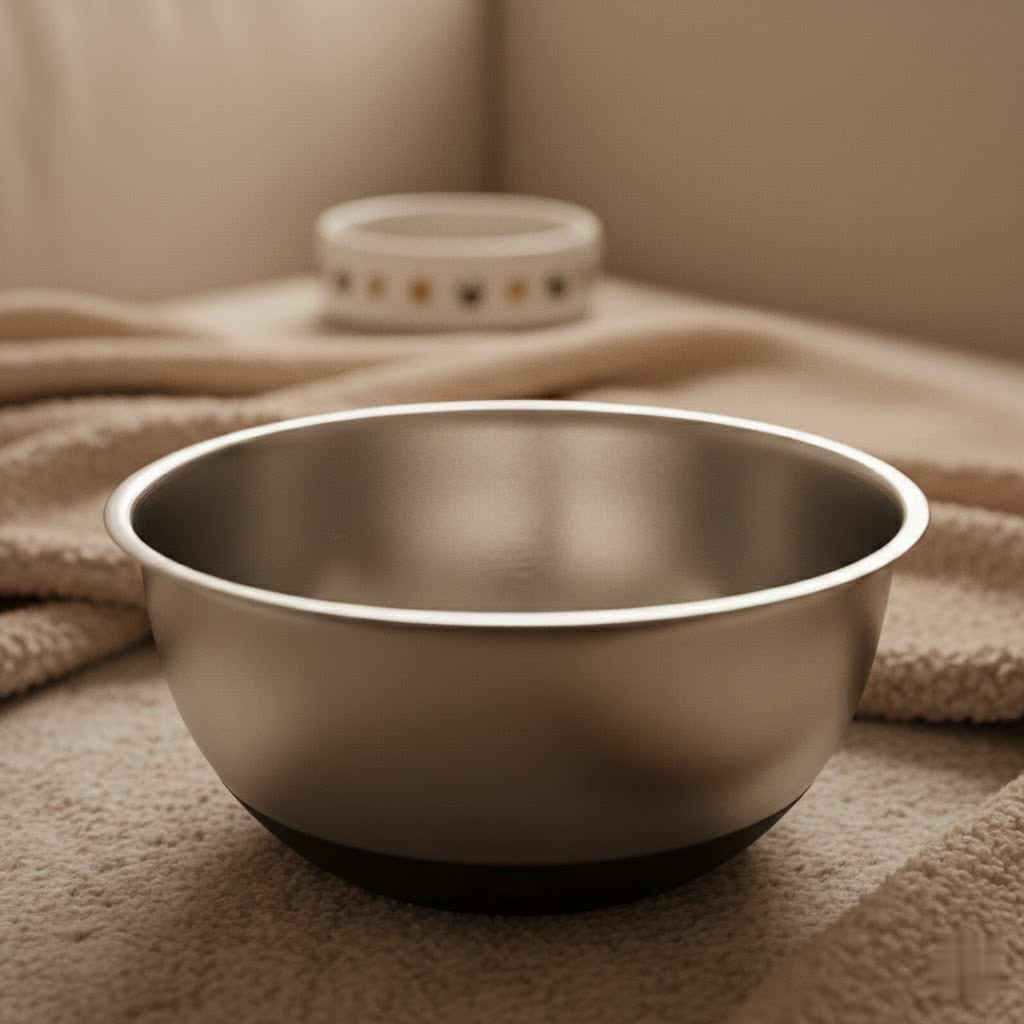
In every bustling kitchen, from the simplest meal prep to the most elaborate baking project, a reliable mixing bowl set stands as an unsung hero. These versatile vessels are more than just containers; they are fundamental to countless culinary tasks, making your kitchen adventures smoother and more efficient. Selecting the right set, however, can feel overwhelming with the myriad of options available. This comprehensive guide will navigate you through the world of mixing bowl sets, helping you understand their types, features, and how to pick the perfect collection to elevate your cooking and baking experience.
What is a Mixing Bowl Set?
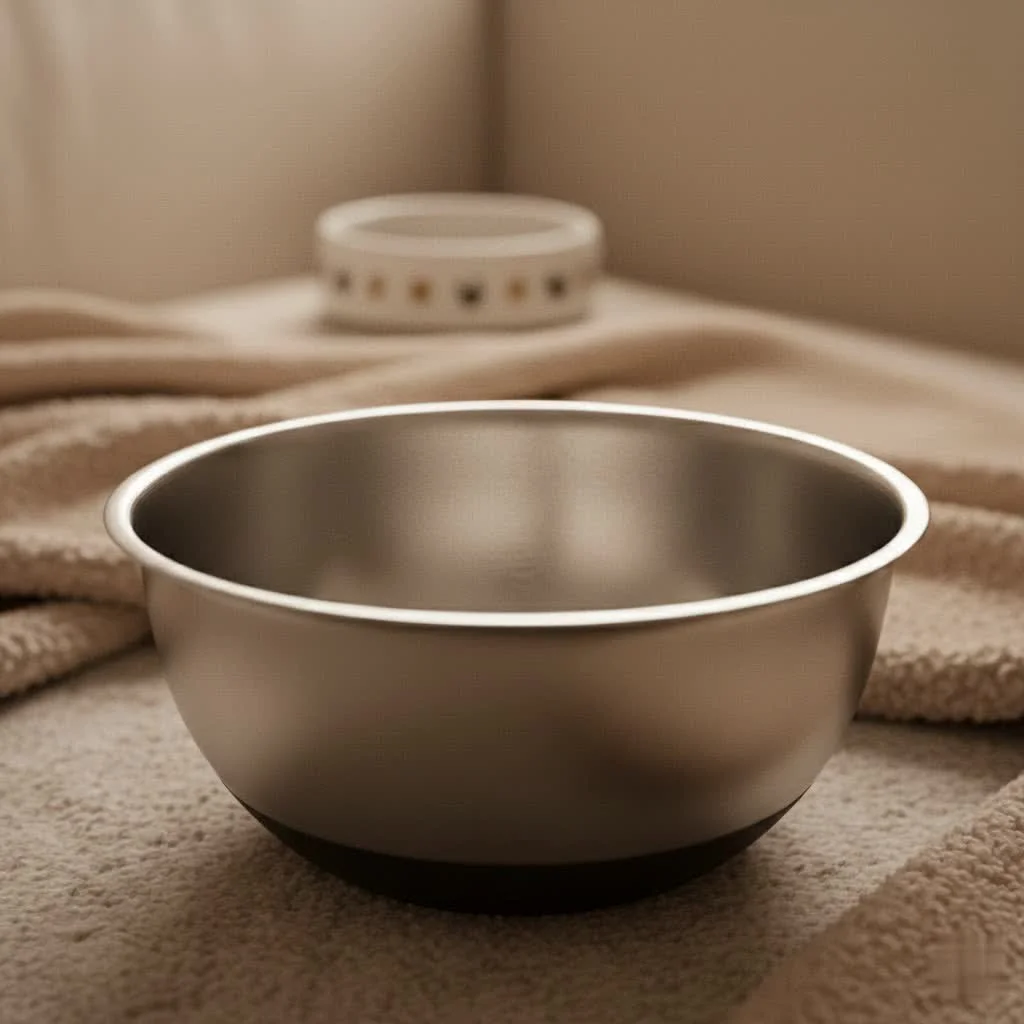
At its core, a mixing bowl set is a collection of bowls, typically varying in size, designed primarily for combining ingredients. While individual bowls serve their purpose, a set offers a range of capacities to accommodate different recipe scales, from whisking a single egg to kneading a large batch of dough. Beyond just mixing, these bowls are invaluable for food preparation, marinating, storing leftovers, and even elegantly serving dishes, making them a cornerstone of kitchen functionality. For more kitchenware guides on this site.
Historically, mixing bowls have evolved significantly. Early versions were simple, often heavy ceramic or stoneware vessels. With advancements in materials and manufacturing, we now have lighter, more durable, and feature-rich options that cater to the diverse needs of modern home cooks and professional chefs alike.
Popular Types of Mixing Bowl Sets
Mixing bowl sets come in various materials, sizes, and with distinct features, each offering unique advantages for different kitchen tasks. Understanding these classifications is key to making an informed choice.
Classification by Material
The material of your mixing bowls significantly impacts their performance, durability, and care requirements.
Stainless Steel Mixing Bowls
Stainless steel mixing bowls are a favorite among many for their exceptional durability and lightweight design. They are non-reactive, meaning they won’t alter the taste, color, or texture of acidic ingredients. Their smooth surface makes them ideal for whipping egg whites or cream, achieving excellent volume quickly. These bowls are also heatproof, making them perfect for creating a double boiler to melt chocolate or temper eggs over simmering water. Many sets are designed to nest perfectly, saving valuable cabinet space, and are generally dishwasher safe, simplifying cleanup. However, they are not typically microwave safe and can sometimes dent if dropped.
Glass Mixing Bowls
Glass mixing bowls, often made from tempered glass, offer both aesthetic appeal and practical benefits. Their transparency allows you to easily monitor the mixing process, ensuring ingredients are thoroughly combined. Glass is also non-reactive and highly versatile, often safe for use in the microwave, freezer, and even some ovens, making them great for reheating or storing food. While tempered glass is more robust than regular glass, it can still break if dropped, and its heavier weight can make them less comfortable for prolonged whisking or pouring.
Plastic Mixing Bowls
Plastic mixing bowl sets are often the most affordable and lightweight option. They are less prone to breaking than glass or ceramic bowls, making them a great choice for households with children or for outdoor use. Modern plastic bowls come in a vibrant array of colors and often feature non-slip bases and pour spouts. They are easy to handle and clean, with many being dishwasher and microwave safe, though it’s crucial to check manufacturer specifications. The main drawbacks include their susceptibility to scratching, staining, and potentially absorbing odors or grease over time, especially with lower-quality plastics.
Ceramic/Stoneware Mixing Bowls
Ceramic or stoneware mixing bowls excel in their beautiful appearance and ability to go from mixing to serving with elegance. They are excellent for maintaining temperature, keeping ingredients cool or warm as needed, and are often oven-safe. While visually appealing and durable, ceramic bowls are typically heavier and more fragile than stainless steel or plastic, making them less ideal for vigorous mixing or if dropped. Their bulkier nature can also make storage a challenge unless they are specifically designed to nest.
Classification by Size
|
Our Picks for the Best Mixing Bowl in 2026
As an Amazon Associate I earn from qualifying purchases.
|
||
| Num | Product | Action |
|---|---|---|
| 1 | WHYSKO Meal Prep Stainless Steel Mixing Bowls Set, Home, Refrigerator, and Kitchen Food Storage Organizers - Ecofriendly, Reusable, Heavy Duty (Khaki) |

|
| 2 | Winco , 8-Quart, Stainless Steel (MXB-800Q) |
|
| 3 | Pyrex Sculpted (3-Pack) Glass Mixing Bowls Set With Lids For Prepping, Baking and Cooking, Preheated Oven, Dishwasher, Freezer, and Microwave Safe |
|
| 4 | WHYSKO Meal Prep Stainless Steel Mixing Bowl (5-Piece Set) Home, Refrigerator, and Kitchen Food Storage Organizers - Ecofriendly, Heavy Duty, No Lids |
|
| 5 | WHYSKO Meal Prep Stainless Steel Mixing Bowls Set, Home, Refrigerator, and Kitchen Food Storage Organizers - Ecofriendly, Reusable, Heavy Duty (Light Blue) |
|
| 6 | Pyrex Essentials (3-Piece) Glass Mixing Bowls Set For Prepping, Baking and Cooking, Preheated Oven, Dishwasher, Freezer, and Microwave Safe |
|
| 7 | WHYSKO Meal Prep Stainless Steel Mixing Bowls Set, Home, Refrigerator, and Kitchen Food Storage Organizers - Ecofriendly, Reusable, Heavy Duty (Blue) |
|
| 8 | WHYSKO Meal Prep Stainless Steel Mixing Bowls Set, Home, Refrigerator, and Kitchen Food Storage Organizers - Ecofriendly, Reusable, Heavy Duty (Gray) |
|
| 9 | Priority Chef Premium Mixing Bowls With Lids Set, Airtight Lids, Thicker Stainless Steel, Non-Slip Base, 5 Nesting Steel Bowls for Kitchen, Large Prep Metal Bowl Set 1.5/2/3/4/5 Qt, Black |
|
| 10 | WHYSKO Meal Prep Stainless Steel Mixing Bowls Set, Home, Refrigerator, and Kitchen Food Storage Organizers - Ecofriendly, Reusable, Heavy Duty (Black) |
|
Mixing bowl sets typically include bowls ranging from small to large, catering to different culinary needs.
- Small (under 1 liter / 2 cups): Perfect for whisking a single egg, preparing a dressing, melting butter, or holding a small amount of pre-measured ingredients (mise en place).
- Medium (1-3 liters / 1-4 quarts): The workhorses of the kitchen, ideal for mixing batters, tossing salads for a small family, or marinating small cuts of meat.
- Large (over 3 liters / 5+ quarts): Essential for kneading dough, mixing large batches of cookies, preparing salads for entertaining, or marinating bigger items. A well-rounded set usually includes a good assortment of these sizes.
Classification by Features
Modern mixing bowl sets come with an array of features designed to enhance convenience and functionality.
- Mixing Bowls with Lids: Lids are a game-changer for food storage and meal prep, allowing you to cover dough for rising, marinate ingredients, or store leftovers in the fridge. Some lids even include grater attachments, adding extra utility.
- Mixing Bowls with Non-Slip Bases: Often made from silicone or rubber, these bases prevent the bowl from sliding around on your countertop during vigorous mixing, providing stability and reducing mess.
- Mixing Bowls with Pour Spouts: A molded spout allows for precise pouring of liquids or batters, minimizing drips and spills, especially useful for pancake batter or sauces.
- Nesting Mixing Bowls: Designed to fit inside one another, nesting sets are incredibly space-efficient, making them perfect for smaller kitchens or anyone looking to minimize clutter.
- Mixing Bowls with Handles: Ergonomic handles offer a secure grip, making it easier to hold the bowl steady while mixing, transfer ingredients, or carry heavier contents.
- Measurement Markings: Some bowls feature interior measurement lines, allowing you to measure ingredients directly in the bowl, reducing the need for extra measuring cups.
Comparative Overview of Mixing Bowl Materials
| Material | Pros | Cons | Best Use Cases |
|---|---|---|---|
| Stainless Steel | Durable, lightweight, non-reactive, heat-safe (double boiler), excellent for whipping, quick chilling, nesting, often dishwasher safe. | Not microwave safe, can dent, can be slippery without non-slip base. | Whipping, kneading, double boiling, chilling, general prep. |
| Glass | Non-reactive, microwavable, freezer safe, transparent, aesthetic for serving, durable (tempered glass). | Heavier, breakable if dropped, less effective for whipping egg whites, sensitive to extreme temperature changes. | Melting, microwaving, serving, storage, visual mixing. |
| Plastic | Affordable, lightweight, break-resistant, colorful, easy to handle, some microwave/dishwasher safe. | Can scratch/stain, may absorb odors/grease, less durable long-term. | Everyday mixing, kid-friendly, casual meal prep. |
| Ceramic/Stoneware | Attractive, good for serving, retains temperature, often oven safe, unique designs. | Heavy, fragile (can chip/break), bulky for storage, not ideal for vigorous mixing. | Serving, marinating, displaying, oven-to-table dishes. |
How to Choose the Right Mixing Bowl Set for You (Buying Guide)
Selecting the ideal mixing bowl set involves considering your cooking habits, kitchen space, and personal preferences.
-
Assess Your Culinary Needs:
- Baking Enthusiast? Prioritize stainless steel for whipping and glass for visual monitoring. Look for sets with good depth and stability.
- Everyday Cook? A versatile set of stainless steel or durable plastic with various sizes and lids will serve you well for general meal prep, mixing, and storage.
- Frequent Entertainer? Consider glass or ceramic sets that can double as attractive serving bowls. Larger capacities will be essential.
- Limited Space? Nesting sets are a must-have, regardless of material.
-
Choose the Right Material:
- If durability, lightweight, and versatile mixing are priorities, stainless steel is often the top choice.
- If visibility, microwave/freezer compatibility, and aesthetic appeal are important, glass is an excellent option.
- If affordability, break-resistance, and ease of handling are key, a good plastic set can be very practical.
- If style and presentation are paramount, ceramic or stoneware can add a touch of elegance.
-
Determine Size and Quantity:
- Most households benefit from a set of 3 to 6 bowls, covering small (1-2 qt), medium (3-5 qt), and large (6-8+ qt) capacities.
- Consider how many people you typically cook for and the volume of food you usually prepare. A larger family or frequent entertainer will need larger bowls.
-
Look for Essential Features:
- Lids: Highly recommended for storage and freshness.
- Non-slip bases: Great for stability, especially when using a hand mixer.
- Pour spouts: Reduces mess for liquid ingredients.
- Handles: Adds comfort and control.
- Nesting design: Crucial for efficient storage.
-
Consider Brand Reputation:
- Brands like OXO Good Grips, Cuisinart, Pyrex, KitchenAid, and FineDine are well-regarded for quality and innovation in mixing bowl sets. Researching reviews from other users can provide valuable insights into real-world performance.
-
Perform a Quality Check:
- Before purchasing, examine the bowls for any imperfections. Check the rims for smoothness, ensure lids fit snugly, and if applicable, test the non-slip base. High-quality bowls will feel sturdy and well-finished.
Top 5 Mixing Bowl Sets Favored by Home Cooks
Based on extensive testing and user feedback, here are some of the most highly-rated mixing bowl sets currently on the market:
- OXO Good Grips 3-Piece Stainless Steel Mixing Bowl Set: Praised for its comfortable non-slip handles and bases, these bowls are incredibly stable and easy to use. Their stainless steel construction ensures durability and makes them perfect for various tasks, from whipping to folding.
- Cuisinart Stainless Steel Mixing Bowls with Lids: This set stands out for its robust stainless steel construction combined with airtight lids, making it excellent for both food prep and storage. They are known for their quality and leakproof seal.
- Pyrex Glass Mixing Bowl Sets: A classic choice, Pyrex offers versatile glass sets that are microwave, freezer, and often oven safe. Their transparency is a major plus for monitoring ingredients, and they double beautifully as serving dishes.
- FineDine Premium Stainless Steel Mixing Bowls: Offering great value, FineDine sets typically include multiple sizes and often come with graters and lids, making them a comprehensive solution for diverse kitchen needs. Their professional-grade stainless steel ensures longevity.
- Cook with Color 12-Piece Plastic Mixing Bowls Set: For those seeking a vibrant, budget-friendly, and highly functional option, Cook with Color provides colorful plastic sets, often including measuring cups and spoons, making them an excellent starter or supplementary set.
Cleaning and Maintaining Your Mixing Bowl Set Correctly
Proper care extends the life of your mixing bowl set and ensures hygiene in your kitchen.
- Stainless Steel: Most stainless steel bowls are dishwasher safe. For handwashing, use warm soapy water and a non-abrasive sponge to prevent scratching. To maintain their shine, dry them immediately to avoid water spots. Avoid harsh chemical cleaners or steel wool.
- Glass: Tempered glass bowls are generally dishwasher safe. For stubborn residue, soak them in warm soapy water before gently scrubbing. While durable, avoid sudden temperature changes (e.g., placing a hot bowl directly into cold water) as this can cause thermal shock and breakage.
- Plastic: Check the manufacturer’s instructions for dishwasher and microwave safety. Hand wash with warm soapy water to prevent scratches that can harbor bacteria and stains. To remove odors, try rubbing a lemon half or a paste of baking soda and water on the surface.
- Ceramic/Stoneware: These bowls are often dishwasher safe, but handwashing is recommended for delicate patterns or glazes. Avoid abrasive scrubbers to prevent scratching the surface. Handle with care to prevent chips or cracks.
For all materials, ensure bowls are thoroughly dry before nesting and storing to prevent moisture build-up and potential odors.
Conclusion
A high-quality mixing bowl set is an indispensable asset in any kitchen, simplifying everything from baking elaborate desserts to preparing simple weeknight meals. By understanding the unique characteristics of different materials—stainless steel’s durability, glass’s transparency, plastic’s convenience, and ceramic’s elegance—you can choose a set that perfectly aligns with your culinary aspirations and practical needs. Consider features like lids, non-slip bases, and nesting capabilities to maximize functionality and minimize clutter. Investing in the right mixing bowl set is an investment in countless enjoyable and efficient cooking experiences. What culinary creations will your new mixing bowl set inspire you to whip up first?
Cooking gear we tested in our own kitchens
Free PDF — preheat times measured on 10 popular air fryers.
