Every kitchen, from the bustling professional bakery to the cozy home cooking space, relies on a staple as fundamental as a good knife: the humble mixing bowl. More than just a container, a mixing bowl is a versatile workhorse, essential for everything from whisking delicate meringues and kneading robust bread doughs to tossing vibrant salads and marinating meats. With so many options available today, understanding the nuances of different materials, sizes, and features can transform your culinary journey from frustrating to effortlessly enjoyable.
What is a Mixing Bowl?
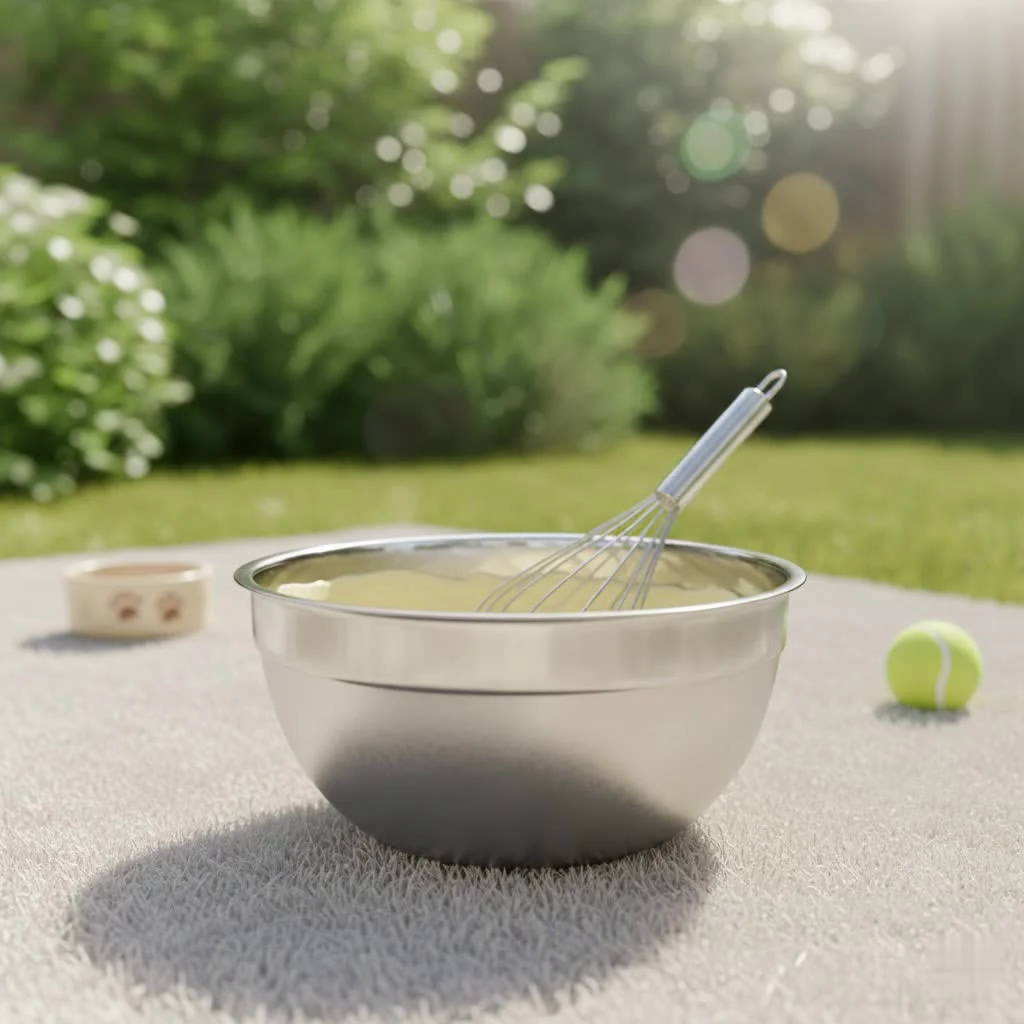
At its core, a mixing bowl is a deep, open-topped vessel designed for combining ingredients. Its primary purpose is to provide a contained space where ingredients can be stirred, whisked, folded, or kneaded without spilling. While the basic concept remains unchanged, mixing bowls have evolved significantly over time. Early versions were likely simple, utilitarian earthenware. Today, they are crafted from a variety of materials, each offering distinct advantages and catering to specific cooking needs, reflecting both advancements in material science and a growing appreciation for functional kitchen design.
Exploring the Diverse World of Mixing Bowls
Mixing bowls aren’t one-size-fits-all. They vary widely based on their construction material, capacity, and specialized features. Understanding these differences is key to selecting the right tools for your culinary adventures.
Types of Mixing Bowls by Material
The material of a mixing bowl dictates many of its properties, including durability, weight, heat resistance, and how it interacts with food.
Stainless Steel Mixing Bowls
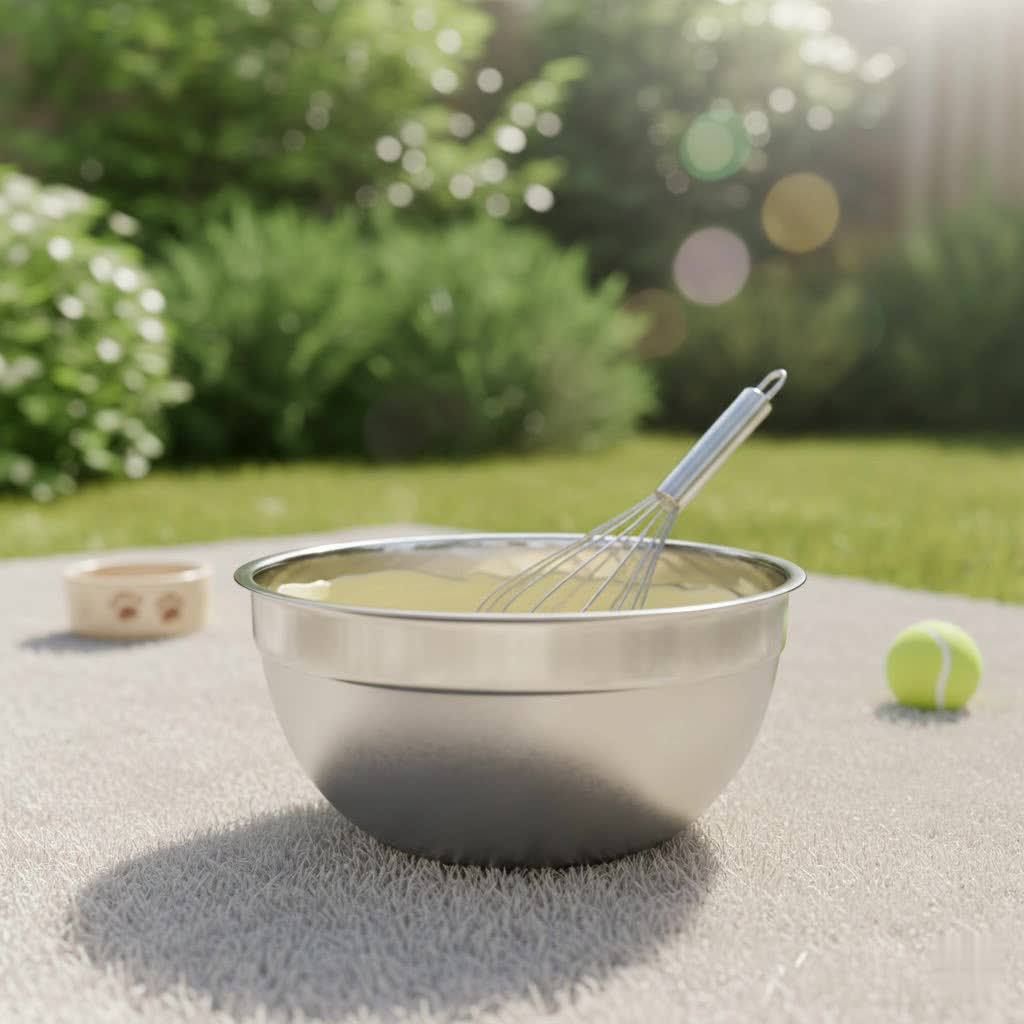
Stainless steel bowls are a favorite in professional kitchens due to their exceptional durability and lightweight nature. They are virtually indestructible, resisting dents, scratches, and odors.
- Pros: Lightweight, durable, non-reactive (won’t alter food flavor), excellent for chilling ingredients (they conduct temperature efficiently), stackable for easy storage, often affordable.
- Cons: Not microwave-safe, can be noisy during vigorous mixing, smooth surface can make it challenging to achieve maximum volume when whipping egg whites (compared to copper), can show fingerprints and water spots.
- Applications: Ideal for general mixing, dough preparation, melting chocolate over a double boiler, and chilling ingredients quickly.
Glass Mixing Bowls
Glass bowls offer a clear advantage in visibility, allowing you to monitor ingredients as they mix. Made from tempered glass, they are robust and often transition from freezer to oven.
- Pros: Non-reactive, microwave-safe, oven-safe (tempered glass), aesthetically pleasing (can double as serving bowls), excellent visibility for monitoring mixing progress.
- Cons: Heavier and more fragile than stainless steel, can chip or break if dropped or exposed to sudden temperature changes, sides can be slippery for whisking egg whites, can be cumbersome to pour from when full.
- Applications: Perfect for microwave heating, melting, baking, and serving. Also useful for tasks where monitoring ingredient integration is crucial.
Plastic Mixing Bowls
Modern plastic mixing bowls have come a long way, offering high quality, versatility, and safety. They are often the most budget-friendly option.
- Pros: Inexpensive, lightweight, virtually unbreakable (great for households with children), often dishwasher-safe and microwave-compatible, available with non-slip bases and measurement markings.
- Cons: Can absorb odors and stains (especially lower quality plastics), prone to scratching which can harbor bacteria, not always heat-safe (can warp with hot liquids or surfaces), may not be BPA-free.
- Applications: Excellent for everyday mixing, meal prep, outdoor use (picnics, potlucks), and situations where breakage is a concern.
Ceramic Mixing Bowls
Ceramic and stoneware bowls bring an element of aesthetic beauty to the kitchen, often doubling as attractive serving pieces. Their substantial weight offers stability.
- Pros: Aesthetically pleasing, stable (less prone to sliding), excellent for maintaining consistent temperatures (keeping ingredients cool), can be microwave- and oven-safe.
- Cons: Heavy, prone to chipping, cracking, or breaking if dropped, can be expensive.
- Applications: Great for mixing, baking, and serving. Especially good for tasks requiring stable temperatures, like keeping dough cool or serving cold salads.
Other Materials (Briefly)
- Copper Mixing Bowls: Prized by bakers for whisking egg whites, as copper ions stabilize the foam, resulting in higher volume and stability. They are beautiful but expensive and high-maintenance.
- Wood/Bamboo Bowls: Offer a warm, natural look, often used for tossing salads (the wood can season over time). Not ideal for wet batters or doughs due to porosity and cleaning difficulties.
- Silicone Bowls: Flexible, nonstick, temperature-proof, collapsible for storage, and often microwave/dishwasher-safe. Some users dislike their rubbery texture or tendency to retain odors.
Types of Mixing Bowls by Size
|
Our Picks for the Best Mixing Bowl in 2026
As an Amazon Associate I earn from qualifying purchases.
|
||
| Num | Product | Action |
|---|---|---|
| 1 | Winco , 8-Quart, Stainless Steel (MXB-800Q) |

|
| 2 | WHYSKO Meal Prep Stainless Steel Mixing Bowls Set, Home, Refrigerator, and Kitchen Food Storage Organizers - Ecofriendly, Reusable, Heavy Duty (Light Blue) |
|
| 3 | Priority Chef Premium Mixing Bowls With Lids Set, Airtight Lids, Thicker Stainless Steel, Non-Slip Base, 5 Nesting Steel Bowls for Kitchen, Large Prep Metal Bowl Set 1.5/2/3/4/5 Qt, Black |
|
| 4 | WHYSKO Meal Prep Stainless Steel Mixing Bowls Set, Home, Refrigerator, and Kitchen Food Storage Organizers - Ecofriendly, Reusable, Heavy Duty (Blue) |
|
| 5 | WHYSKO Meal Prep Stainless Steel Mixing Bowl (5-Piece Set) Home, Refrigerator, and Kitchen Food Storage Organizers - Ecofriendly, Heavy Duty, No Lids |
|
| 6 | Pyrex Sculpted (3-Pack) Glass Mixing Bowls Set With Lids For Prepping, Baking and Cooking, Preheated Oven, Dishwasher, Freezer, and Microwave Safe |
|
| 7 | WHYSKO Meal Prep Stainless Steel Mixing Bowls Set, Home, Refrigerator, and Kitchen Food Storage Organizers - Ecofriendly, Reusable, Heavy Duty (Khaki) |
|
| 8 | WHYSKO Meal Prep Stainless Steel Mixing Bowls Set, Home, Refrigerator, and Kitchen Food Storage Organizers - Ecofriendly, Reusable, Heavy Duty (Gray) |
|
| 9 | WHYSKO Meal Prep Stainless Steel Mixing Bowls Set, Home, Refrigerator, and Kitchen Food Storage Organizers - Ecofriendly, Reusable, Heavy Duty (Black) |
|
| 10 | Pyrex Essentials (3-Piece) Glass Mixing Bowls Set For Prepping, Baking and Cooking, Preheated Oven, Dishwasher, Freezer, and Microwave Safe |
|
The capacity of your mixing bowls is crucial for handling different recipe quantities and tasks. Most home cooks benefit from a nested set that covers a range of sizes.
- Small (under 1-liter/quart): These tiny bowls are perfect for mise en place, holding chopped herbs, a single beaten egg, or small quantities of spices and dressings.
- Medium (1-3 liters/quarts): The workhorses of the kitchen, ideal for most everyday tasks like mixing cake batter, preparing salads for a family dinner, or marinating small portions of meat.
- Large (over 3 liters/quarts): Essential for serious bakers or those who cook for crowds. These are used for making bread dough, large batches of cookies, or substantial salads.
Types of Mixing Bowls by Feature
Beyond material and size, specific design features can greatly enhance a mixing bowl’s functionality and user experience.
- Mixing Bowls with Lids: Lids are incredibly convenient for food storage, allowing you to prep ingredients ahead of time or store leftovers directly in the bowl. They also facilitate stacking in the refrigerator.
- Mixing Bowls with Non-Slip Bases: A silicone or rubberized base prevents the bowl from sliding around on the countertop, providing stability during vigorous whisking or mixing. This is a game-changer for single-handed operations.
- Mixing Bowls with Pour Spouts: A built-in spout simplifies transferring batters, sauces, or liquids without drips or spills, ensuring a cleaner workspace.
- Mixing Bowls with Handles: Handles offer superior control and comfort, especially when lifting, pouring, or stabilizing the bowl while mixing with one hand.
- Mixing Bowls with Measurement Markings: Internal measurement lines eliminate the need for separate measuring cups, streamlining the cooking process.
Comparison Table: Mixing Bowl Materials at a Glance
| Material | Pros | Cons | Best For |
|---|---|---|---|
| Stainless Steel | Lightweight, durable, non-reactive, temperature-responsive, stackable. | Not microwave-safe, noisy, can scratch, shows fingerprints/water spots. | General mixing, dough, double boilers, chilling ingredients. |
| Glass | Non-reactive, microwave-safe, oven-safe, visible contents, aesthetic. | Heavy, fragile, sensitive to thermal shock, can be slippery, messy pouring. | Melting, baking, microwave use, serving, seeing mixing progress. |
| Plastic | Inexpensive, lightweight, unbreakable, often microwave/dishwasher-safe. | Absorbs odors/stains, scratches easily, not always heat-safe, quality varies. | Everyday mixing, kid-friendly, picnics, lightweight tasks. |
| Ceramic | Aesthetic, stable (heavy), consistent temperature, can be microwave/oven-safe. | Heavy, prone to chipping/breaking, often expensive, can be difficult to pour. | Mixing and serving, maintaining cool temperatures, decorative kitchen appeal. |
How to Choose the Right Mixing Bowls (Buying Guide)
Selecting the perfect mixing bowls involves a thoughtful assessment of your cooking habits, kitchen setup, and personal preferences.
-
Determine Your Needs:
- What do you cook most often? If you’re a baker, look for stable bowls good for kneading and whisking. If you make a lot of salads, lightweight, wide bowls might be better.
- How often do you cook/bake? Frequent cooks need durable, versatile sets. Occasional users might prioritize aesthetics or affordability.
- How many people do you cook for? Small households might need fewer large bowls than those who entertain frequently.
-
Choose the Right Material:
- For Durability & Versatility: Stainless steel is a robust, all-around choice.
- For Microwave Use & Visibility: Glass is indispensable.
- For Lightweight & Safety: High-quality, BPA-free plastic is excellent.
- For Aesthetics & Stability: Ceramic bowls can be beautiful and functional.
- Consider a mixed set (e.g., stainless steel for general use, a glass bowl for microwave).
-
Consider Size and Set Configuration:
- An assortment of 3-5 nested bowls, ranging from 1 to 5 quarts, is often sufficient for most households.
- Nested sets are ideal for saving cabinet space. Ensure they nest completely flat.
-
Look for Essential Features:
- Non-slip bases are highly recommended for stability.
- Pour spouts simplify transferring liquids.
- Lids are a bonus for storage and organization.
- Handles provide better grip and control.
- Thin, flared rims on stainless steel bowls are often cited as best for clean pouring.
-
Research Trusted Brands:
- Brands like All-Clad, Vollrath, Pyrex, OXO Good Grips, and Mason Cash are consistently recommended for quality and performance across different material types. Reading reviews from reputable sources can provide valuable insights.
-
Check Product Quality Before Buying:
- Inspect for smooth finishes, sturdy construction, and tight-fitting lids if included. For plastic, ensure it feels substantial and is clearly marked BPA-free.
Top 5 Mixing Bowls Highly Recommended by Experts
Based on rigorous testing and user feedback, certain mixing bowls consistently stand out for their performance, durability, and thoughtful design. Here are five top contenders that cater to a variety of kitchen needs:
- All-Clad Stainless Steel Mixing Bowls: These bowls often feature overhanging handles, providing excellent control and keeping hands clean while mixing or pouring. Their thin, flared rims ensure clean pours, and tall, sloped walls help contain splatters. While pricey, their longevity and superior design make them a favorite among serious home cooks.
- Vollrath Stainless Steel Mixing Bowl Set: Known for restaurant-quality efficiency, Vollrath bowls are lightweight, come in a wide range of sizes (often up to 8 quarts), and feature flared, mess-free rims. Their wide shape makes mixing and folding easy.
- Pyrex 3-Piece Glass Mixing Bowl Set: An iconic and affordable choice, these classic glass bowls are incredibly versatile. They are microwave-, freezer-, and dishwasher-safe, making them perfect for melting butter, storing leftovers, and general mixing.
- Mason Cash Ceramic Mixing Bowls: These charming, centuries-old English ceramic bowls are admired for their aesthetic appeal and sturdy construction. They are heavy, minimizing movement on the counter, and often resist chipping. While not ideal for fast-paced pouring due to their weight and thick rims, they excel at maintaining consistent temperatures and make beautiful serving dishes.
- OXO Good Grips 3-Piece Mixing Bowl Set (Stainless Steel/Plastic Combination): Often featuring a stainless steel interior and plastic exterior with a non-skid base, these bowls provide excellent stability and insulation. They are praised for their comfort, durability, and ability to contain ingredients without sliding. Some models are designed specifically to accommodate hand mixers.
Cleaning and Maintaining Your Mixing Bowls Correctly
Proper care extends the life of your mixing bowls and ensures hygiene. While many bowls are dishwasher-safe, hand washing is often recommended for longevity and preventing issues like water spots or warping.
General Best Practices:
- Act Quickly: Clean bowls soon after use to prevent food from drying and sticking, which makes cleanup much harder.
- Rinse First: Always rinse bowls with warm water to remove loose food residues before washing.
- Use Soft Tools: Employ soft sponges or cloths to avoid scratching surfaces, especially on delicate materials or non-stick finishes. Avoid abrasive scrubbers.
Material-Specific Care:
- Stainless Steel: Wash with warm water and dish soap using a non-abrasive sponge. For stubborn stains, a paste of baking soda and water can be applied gently. Bar Keepers Friend is also highly effective for removing stains and tarnish. Always dry completely with a soft cloth to prevent water spots and maintain shine. Avoid metal utensils to prevent scratches. Do not leave acidic foods (like tomatoes) for long periods, as superficial pitting may occur.
- Glass: Clean with warm water and mild dish soap using a soft sponge. Be cautious of sudden temperature changes (e.g., hot bowl into cold water) to prevent cracking. For tough stains, a mixture of vinegar and baking soda can be effective. Rinse thoroughly and dry or air dry.
- Plastic: Wash with warm soapy water and a soft sponge. Avoid hot water, which can warp the plastic. For persistent odors, soak the bowl overnight in a mixture of baking soda and water. Rinse well and air dry completely.
- Ceramic: Use mild dish soap and warm water with a soft sponge or cloth. Do not use abrasive cleaners or scrubbers, as they can scratch the glaze. For tough stains, a baking soda and water paste can be used. Rinse and dry with a soft cloth.
Storage Tips:
- Ensure all mixing bowls are completely dry before storing them to prevent mold, mildew, or rust (for stainless steel).
- Nested sets are excellent space-savers, but place a soft cloth or paper towel between bowls to prevent scratching, especially with stainless steel and ceramic.
Conclusion
Choosing the right mixing bowl is a small decision that makes a big impact on your daily cooking and baking. From the robust utility of stainless steel to the clear visibility of glass, the lightweight convenience of plastic, and the charming stability of ceramic, each material offers unique benefits tailored to different tasks. By considering your specific needs—be it durability, microwave compatibility, aesthetic appeal, or ease of cleaning—you can confidently select bowls that will serve you faithfully for years to come. Invest wisely, and these essential kitchen companions will help you stir, whisk, and fold your way to countless delicious creations. What culinary masterpiece will you create with your perfect mixing bowl next?
Frequently Asked Questions
How do I stop my mixing bowl from sliding on the counter?
A simple and effective trick is to place a damp kitchen towel, twisted into a ring shape, under the bowl. The dampness creates friction, keeping the bowl stable during vigorous mixing.
Can I use any mixing bowl in the microwave or oven?
No, not all mixing bowls are safe for microwave or oven use. Glass and ceramic bowls made from tempered or oven-safe materials are generally suitable, but stainless steel and most plastic bowls are not. Always check the manufacturer’s guidelines.
Why do my plastic mixing bowls retain odors and stains?
Lower quality plastic is porous and can absorb strong odors and stains from ingredients like garlic, onions, or tomato sauce. Opt for high-quality, BPA-free plastics and clean them immediately after use, or soak in baking soda solution for tough odors.
Is it better to have one large mixing bowl or a set of different sizes?
A set of nested mixing bowls in various sizes is generally more versatile and space-efficient than a single large bowl. It allows you to tackle different tasks, from small prep work to large batch mixing, and ensures you always have the right size on hand.
How can I prevent scratches in my stainless steel mixing bowls?
To minimize scratches, use silicone, nylon, bamboo, or wooden utensils instead of metal ones. While some scratching is inevitable over time with regular use, avoiding abrasive sponges during cleaning can also help preserve the finish.
Cooking gear we tested in our own kitchens
Free PDF — preheat times measured on 10 popular air fryers.
