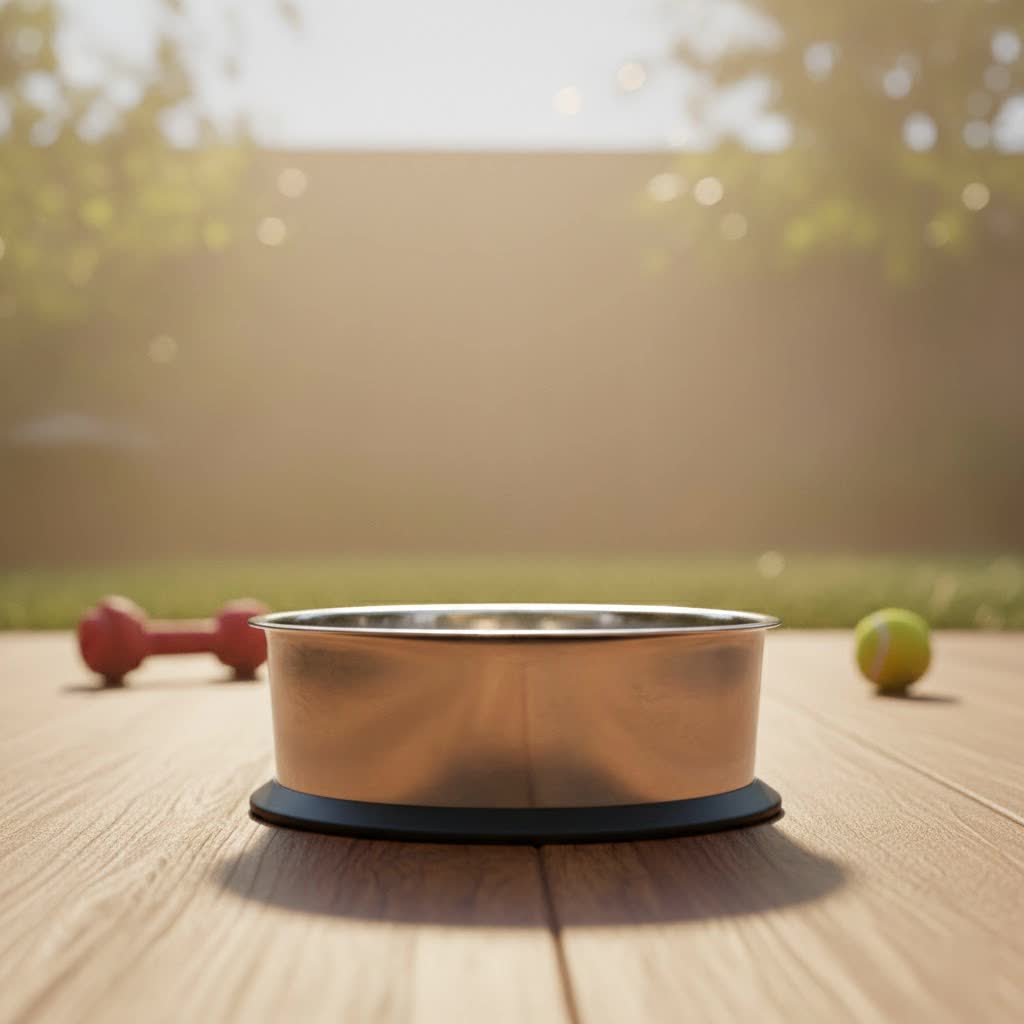
Every passionate home cook and baker knows the frustration of a mixing bowl that’s just too small. You’re trying to whip up a triple batch of cookies, toss a generous family-sized salad, or knead a voluminous bread dough, and ingredients end up spilling over the sides, creating unnecessary mess and slowing down your process. This is where the unsung hero of the kitchen steps in: the giant mixing bowl. Far more than just an oversized container, a truly giant mixing bowl is a multi-purpose powerhouse designed to handle your biggest culinary ambitions. This comprehensive guide will delve into everything you need to know about these indispensable tools, helping you choose the perfect one to streamline your cooking and elevate your kitchen experience.
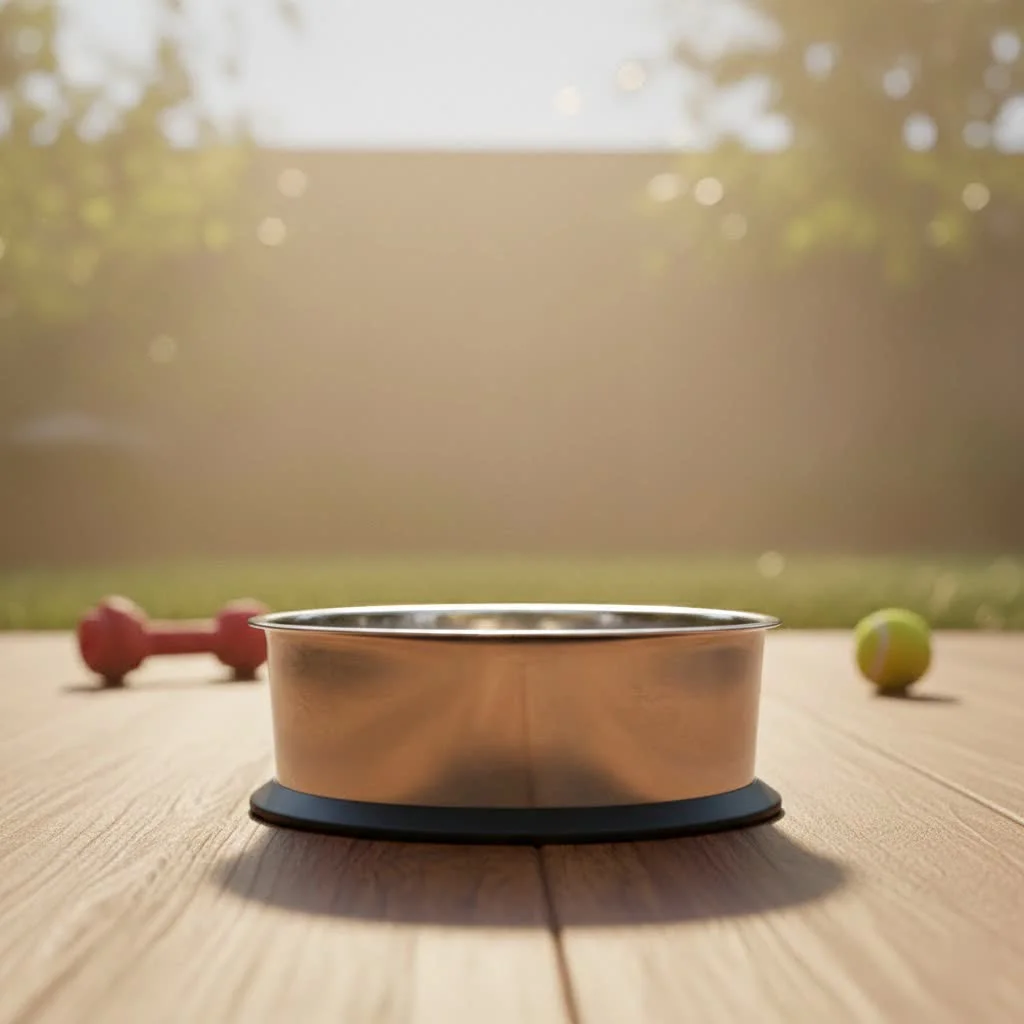
What is a Giant Mixing Bowl?
A giant mixing bowl transcends the definition of a “large” bowl found in standard nesting sets. It refers to a bowl of considerable capacity, typically ranging from 6 quarts upwards, often reaching 15, 20, or even more quarts. These colossal containers are specifically engineered to accommodate substantial quantities of ingredients, making them indispensable for a variety of demanding kitchen tasks. For compare top kitchenware on this site.
Historically, mixing bowls have evolved from simple pottery vessels to a diverse array of materials and designs, each suited for different culinary needs. While early versions were primarily for basic mixing, modern giant mixing bowls are celebrated for their versatility and robust construction, reflecting an increasing demand for tools that can handle both everyday cooking and large-scale entertaining. They serve as essential equipment in professional kitchens, valued for their ability to manage large food preparations efficiently.
The primary purpose of such a generously sized bowl is to provide ample space for vigorous mixing without spills, allowing for thorough incorporation of ingredients, especially when preparing large volumes of batter, dough, or salad. Beyond simple mixing, their immense capacity makes them perfect for creating ice baths, brining large cuts of meat, or even serving a monumental fruit salad at a gathering.
Popular Types of Giant Mixing Bowls
Giant mixing bowls come in various materials, sizes, and with specific features, each offering distinct advantages and suited for different culinary applications. Understanding these variations is key to selecting the best bowl for your kitchen.
By Material
The material of a giant mixing bowl dictates its durability, weight, heat resistance, and overall performance.
Stainless Steel Mixing Bowls
Stainless steel bowls are a staple in both professional and home kitchens due to their exceptional durability and practicality.
- Advantages: They are lightweight, making them easy to handle even when filled, and virtually indestructible, resisting dents, rust, and corrosion. Stainless steel is non-reactive, so it won’t impart flavors or colors to your food, even with acidic ingredients. Many stainless steel bowls are dishwasher-safe, offering effortless cleanup, and can often be nested for compact storage. Their excellent temperature conductivity makes them ideal for creating a double boiler or rapidly chilling ingredients over an ice bath.
- Disadvantages: Stainless steel bowls are not microwave-safe and can become quite noisy during vigorous mixing. Some users find their smooth surface less conducive for achieving maximum volume when whipping egg whites or cream, as the mixture might slide rather than cling.
- Applications: Perfect for heavy-duty mixing, kneading large batches of bread dough, tossing big salads, marinating, and as an improvised ice bucket for entertaining.
Glass Mixing Bowls
Glass mixing bowls, particularly those made from tempered glass, are prized for their transparency and versatility.
- Advantages: Their clear construction allows for unmatched visibility, enabling you to monitor ingredients as they mix or during processes like tempering chocolate. Tempered glass bowls are highly versatile, often safe for use in the microwave, oven, freezer, and dishwasher, making them ideal for tasks ranging from baking to serving. They are non-reactive and retain heat or cold well, making them suitable for both hot and cold preparations. The inherent weight of glass also provides a stable base during mixing, reducing slippage.
- Disadvantages: Glass bowls are significantly heavier than their stainless steel counterparts, making them more challenging to handle, especially when full. They are also more fragile and prone to chipping or breaking if dropped, requiring careful handling.
- Applications: Ideal for baking (especially recipes requiring visual checks), tempering, precise mixing, and can double as elegant serving bowls.
Plastic Mixing Bowls
Plastic mixing bowls offer an economical and lightweight option, commonly found in many home kitchens.
- Advantages: They are typically the most affordable and lightweight option, making them easy to handle and store. Many professional-grade plastic bowls are designed for strength and flexibility, resisting deformation and breakage. They can also be excellent for food preservation when paired with tight-fitting lids.
- Disadvantages: Plastic can absorb odors and stains over time, and it is generally less heat-resistant than glass or stainless steel, limiting its use in the microwave or with very hot ingredients. Some lower-quality plastics may also contain chemicals that can leach into food.
- Applications: Great for everyday mixing, preparing foods for picnics, and as a safer, less fragile option in households with children.
Ceramic and Stoneware Mixing Bowls
Ceramic and stoneware bowls bring a touch of traditional charm and aesthetic appeal to the kitchen.
- Advantages: These bowls are often beautifully designed and can effortlessly transition from prep to serving, enhancing your table setting. They excel at maintaining consistent temperatures, keeping ingredients cool during extended mixing sessions, which is beneficial for certain doughs or creams. Many are also oven-safe, perfect for baking dishes like crumbles or gratins.
- Disadvantages: Like glass, ceramic and stoneware bowls are heavy and can be quite fragile, susceptible to chipping or breaking if dropped or subjected to thermal shock. Their porous nature (if not properly glazed) can also lead to stain absorption.
- Applications: Ideal for decorative serving, gentle mixing, proofing dough, and dishes that require baking directly in the bowl.
Comparison Summary Table: Giant Mixing Bowl Materials
|
Our Picks for the Best Mixing Bowl in 2026
As an Amazon Associate I earn from qualifying purchases.
|
||
| Num | Product | Action |
|---|---|---|
| 1 | Priority Chef Premium Mixing Bowls With Lids Set, Airtight Lids, Thicker Stainless Steel, Non-Slip Base, 5 Nesting Steel Bowls for Kitchen, Large Prep Metal Bowl Set 1.5/2/3/4/5 Qt, Black |

|
| 2 | Pyrex Essentials (3-Piece) Glass Mixing Bowls Set For Prepping, Baking and Cooking, Preheated Oven, Dishwasher, Freezer, and Microwave Safe |
|
| 3 | WHYSKO Meal Prep Stainless Steel Mixing Bowls Set, Home, Refrigerator, and Kitchen Food Storage Organizers - Ecofriendly, Reusable, Heavy Duty (Light Blue) |
|
| 4 | Pyrex Sculpted (3-Pack) Glass Mixing Bowls Set With Lids For Prepping, Baking and Cooking, Preheated Oven, Dishwasher, Freezer, and Microwave Safe |
|
| 5 | WHYSKO Meal Prep Stainless Steel Mixing Bowl (5-Piece Set) Home, Refrigerator, and Kitchen Food Storage Organizers - Ecofriendly, Heavy Duty, No Lids |
|
| 6 | WHYSKO Meal Prep Stainless Steel Mixing Bowls Set, Home, Refrigerator, and Kitchen Food Storage Organizers - Ecofriendly, Reusable, Heavy Duty (Gray) |
|
| 7 | WHYSKO Meal Prep Stainless Steel Mixing Bowls Set, Home, Refrigerator, and Kitchen Food Storage Organizers - Ecofriendly, Reusable, Heavy Duty (Black) |
|
| 8 | Winco , 8-Quart, Stainless Steel (MXB-800Q) |
|
| 9 | WHYSKO Meal Prep Stainless Steel Mixing Bowls Set, Home, Refrigerator, and Kitchen Food Storage Organizers - Ecofriendly, Reusable, Heavy Duty (Khaki) |
|
| 10 | WHYSKO Meal Prep Stainless Steel Mixing Bowls Set, Home, Refrigerator, and Kitchen Food Storage Organizers - Ecofriendly, Reusable, Heavy Duty (Blue) |
|
| Feature | Stainless Steel | Glass | Plastic | Ceramic/Stoneware |
|---|---|---|---|---|
| Durability | Excellent (dent/rust-resistant) | Good (tempered is strong, but fragile) | Good (professional grade) | Moderate (prone to chipping/breaking) |
| Weight | Lightweight | Heavy | Very Lightweight | Heavy |
| Heat Resistance | High (not microwave safe) | Excellent (oven/microwave safe) | Low (absorbs heat, not microwave safe) | High (oven safe, watch thermal shock) |
| Reactivity | Non-reactive | Non-reactive | Non-reactive | Non-reactive |
| Cleaning | Easy (dishwasher safe) | Easy (dishwasher safe) | Easy (dishwasher safe, check temps) | Moderate (often hand wash for care) |
| Aesthetics | Modern, industrial | Clear, elegant, can be tinted | Functional, often colorful | Rustic, decorative, varied designs |
| Storage | Excellent (nesting) | Moderate (heavy, may not nest well) | Excellent (nesting) | Moderate (heavy, limited nesting) |
| Cost | Moderate to High | Moderate | Low | Moderate to High |
| Ideal Uses | Heavy-duty mixing, dough, ice baths | Baking, serving, visual monitoring | Everyday mixing, storage, kids-safe | Serving, gentle mixing, proofing |
By Size (Focusing on “Giant”)
When we talk about “giant” mixing bowls, we’re looking at capacities that significantly exceed standard home kitchen needs.
- 6-8 Quarts: This size is often the largest in many premium sets and is excellent for substantial family meals. It’s perfect for mixing large batches of cookie dough, preparing a generous quantity of pancake batter, or a big pasta salad for a potluck. It offers enough space to prevent splatters during vigorous mixing.
- 10-12+ Quarts: These bowls venture into truly “giant” territory. They are ideal for proofing large quantities of bread dough, tossing very large salads for entertaining a crowd, or preparing multiple batches of ingredients simultaneously. They provide ample clearance for whisking and folding without the risk of overflowing.
- 15+ Quarts (True Giants): At this scale, mixing bowls are designed for heavy-duty use, often seen in professional catering or large-scale food preparation. Their sheer volume makes them invaluable for tasks like brining a large turkey, mixing enormous quantities of ingredients for events, or serving as an impressive ice bucket for beverages. They can even act as a temporary basin for clearing dishes during a big dinner.
By Features
Beyond material and size, specific features can enhance the functionality and convenience of a giant mixing bowl.
- With Lids: Many giant mixing bowls, especially those made of stainless steel or plastic, come with tight-fitting lids. These are invaluable for storing prepped ingredients, proofing dough, marinating, or transporting food to gatherings, keeping contents fresh and protected. Some silicone lids offer an airtight seal and are an eco-friendly alternative to plastic wrap.
- Non-Slip Bases: A silicone or rubberized base prevents the bowl from sliding around on the countertop during vigorous mixing, providing stability and reducing the risk of accidents. This feature is particularly useful for larger, heavier bowls or when mixing dense doughs.
- Pouring Spouts/Flared Rims: A well-designed pouring spout or a gently flared rim can make a significant difference when transferring batters, sauces, or liquids, ensuring a clean pour and minimizing drips and spills.
- Handles: While not universal, some giant mixing bowls feature ergonomic handles. These provide a secure grip, making it easier to lift, carry, and pour from a heavy or full bowl, keeping your hands away from the rim and preventing mess.
- Measurement Markings: Some stainless steel bowls include etched measurement markings on the interior, offering convenience and accuracy for recipes, eliminating the need for separate measuring cups.
Choosing Your Ideal Giant Mixing Bowl (Buying Guide)
Selecting the perfect giant mixing bowl involves more than just picking the largest one on the shelf. Thoughtful consideration of your cooking habits and needs will ensure you make an investment that truly serves your kitchen for years to come.
- Assess Your Needs and Cooking Habits: Begin by reflecting on what you’ll primarily use the giant mixing bowl for. Do you frequently bake large batches of cookies, knead multiple loaves of bread, or host large dinner parties with elaborate salads? The frequency and scale of your culinary projects will dictate the ideal capacity and features. If you’re cooking for a large family or entertain often, a truly voluminous bowl (10 quarts or more) will be invaluable.
- Select the Right Material: Each material offers a unique set of pros and cons.
- For durability, lightweight handling, and heavy-duty tasks, stainless steel is often the top choice.
- For aesthetic appeal, visual monitoring, and microwave/oven versatility, tempered glass is excellent.
- For budget-friendliness and lighter tasks, plastic might suffice, but opt for high-quality, food-safe options.
- For serving and heat retention, ceramic can be a beautiful and functional option.
- Prioritize Size Appropriately: While the goal is a “giant” bowl, consider what “giant” means for your specific needs. An 8-quart bowl might be giant enough for a family of four’s biggest salad, but a dedicated baker might need a 15-quart bowl for proofing multiple large loaves of artisan bread. Ensure the chosen size provides ample space for mixing without overflow, while also being manageable to store.
- Evaluate Essential Features: Decide which features are non-negotiable for your cooking style.
- Do you need lids for storage or transport?
- Is a non-slip base crucial for stability during vigorous whisking?
- Will a pouring spout or handles make your work significantly easier?
- Are measurement markings a helpful addition for precision?
- Consider Storage Space: Giant mixing bowls, by their nature, take up significant space. If storage is a concern, look for models that are designed to nest efficiently within other bowls or that can fit comfortably on a dedicated shelf.
- Check Brand Reputation and Quality: While specific “giant mixing bowl” brands weren’t universally highlighted, for general mixing bowls, brands like Pyrex, All-Clad, and Vollrath are recognized for quality. Look for reputable manufacturers known for durable kitchenware. Before purchasing, inspect the product for quality craftsmanship: smooth edges, sturdy construction, and tight-fitting lids if included.
Top 5 Giant Mixing Bowls for Every Kitchen
While “top 5” specific branded giant mixing bowls vary frequently in the market, we can categorize the most highly-regarded types based on their features and materials, ensuring you find a quality investment for your kitchen.
- The Robust Stainless Steel Workhorse (e.g., 12-15 Quart Professional Grade): These bowls are the epitome of function over form. Made from heavy-gauge stainless steel (often 18/8 or 18/10), they are virtually indestructible and designed for continuous heavy use. They typically feature wide, deep designs to minimize splatters and may have a rolled rim for easy gripping and pouring. Their lightweight nature, despite their size, makes them a favorite for tasks like kneading large quantities of dough or preparing mammoth salads.
- The Elegant Tempered Glass Giant (e.g., 10-12 Quart with Lid): For those who prioritize both aesthetics and versatility, a giant tempered glass bowl is a superb choice. Brands known for durable glassware offer bowls that can withstand extreme temperatures, making them microwave, oven, freezer, and dishwasher safe. Their transparency is invaluable for monitoring mixing, and when not in use for prep, they double as stunning serving pieces for salads or fruit. The weight of glass also provides inherent stability during use.
- The Lightweight & Affordable Plastic Pro (e.g., 15-20 Quart Food-Grade Polypropylene): Ideal for catering, outdoor events, or when weight is a primary concern, professional-grade plastic giant mixing bowls are surprisingly durable. They are non-reactive, very lightweight, and often come with tight-fitting lids for secure transport and storage. While not as heat-resistant as glass or stainless steel, their affordability and resilience make them practical for high-volume, less heat-intensive tasks.
- The Feature-Packed Stainless Steel with Non-Slip Base (e.g., 8-10 Quart with Silicone Bottom & Handles): This type combines the best of stainless steel durability with added convenience features. A silicone-wrapped base prevents slipping and scratching, while ergonomically designed handles provide a secure and comfortable grip, especially important when maneuvering a large, heavy bowl. Some models even include internal measurement markings and pour spouts, making them a true all-in-one mixing solution.
- The Traditional Ceramic Dough-Proofing Master (e.g., 8-10 Quart Stoneware): For those who appreciate classic kitchenware and often bake, a giant ceramic or stoneware bowl is perfect for specific tasks. Its heavy construction and ability to maintain a consistent temperature make it excellent for proofing bread dough. While more fragile than metal, its aesthetic appeal allows it to serve beautifully at the table, offering a warm, rustic charm for large-batch serving.
Cleaning and Maintaining Your Giant Mixing Bowl
Proper care and maintenance will significantly extend the lifespan and preserve the quality of your giant mixing bowl, regardless of its material.
- General Cleaning Practices: Always aim to wash your mixing bowl immediately after use to prevent food residue from drying and becoming harder to remove. Most modern mixing bowls are designed to be dishwasher safe, offering a convenient cleaning solution. However, for longevity, always check the manufacturer’s specific care instructions, especially for any lids or special components. After washing, ensure the bowl is thoroughly dried to prevent water spots, particularly on stainless steel, and to inhibit bacterial growth.
- Material-Specific Care:
- Stainless Steel: These bowls are generally dishwasher safe and highly resistant to stains. For stubborn residues, a gentle scrub with a non-abrasive pad and mild dish soap is usually sufficient. Avoid steel wool or harsh abrasive cleaners, which can scratch the surface and dull its finish.
- Glass: Tempered glass bowls are typically dishwasher, microwave, and oven safe, making them very easy to clean. However, glass can chip or break, so handle with care, especially when loading and unloading from the dishwasher. Avoid sudden temperature changes to prevent thermal shock, which can lead to breakage.
- Plastic: Most food-grade plastic bowls are dishwasher safe. To prevent odors and stains, avoid prolonged contact with highly pigmented foods (like tomato sauce) and wash them promptly. If handwashing, use a soft sponge to avoid scratching the surface.
- Ceramic and Stoneware: While many ceramic bowls are dishwasher safe, hand washing is often recommended to preserve decorative finishes and prevent chipping. Use a soft cloth or sponge with mild soap. Avoid abrasive scrubbers that could damage the glaze. Ensure they are completely dry before storing to prevent moisture build-up.
- Storage Tips: If you have multiple giant mixing bowls or a nesting set, stack them carefully to save cabinet space. For bowls with lids, ensure the lids are clean and dry before storage to prevent mildew or odors. Store fragile bowls (glass, ceramic) where they are less likely to be knocked over or impacted.
Conclusion
A giant mixing bowl is more than just a large container; it’s a fundamental investment for any kitchen tackling significant culinary tasks, from baking and meal prepping to entertaining. From the robust durability of stainless steel to the elegant versatility of tempered glass, and the practical affordability of plastic, there’s a perfect giant mixing bowl tailored to your specific needs and cooking style. By carefully considering material, size, and essential features like non-slip bases or lids, you can select a bowl that not only simplifies your work but also inspires you to explore new culinary horizons with confidence and ease. Embrace the power of the large-capacity mixing bowl and transform the way you cook and create.
What grand culinary creation will you embark on next with your new, expansive mixing companion?
Frequently Asked Questions
How big is a “giant” mixing bowl?
A “giant” mixing bowl typically ranges from 6 quarts upwards, with many popular models available in 10, 12, or even 15+ quart capacities. These sizes are designed to accommodate large batches of ingredients that standard mixing bowls cannot handle, making them ideal for big families, frequent bakers, or entertaining.
Can I put a stainless steel giant mixing bowl in the microwave?
No, stainless steel mixing bowls are generally not safe for microwave use. Metal objects in a microwave can cause arcing, sparking, and potentially damage the appliance or start a fire. Always opt for microwave-safe materials like glass or ceramic if you need to heat ingredients in the bowl.
Are giant mixing bowls worth the storage space?
Absolutely, for many home cooks and bakers, a giant mixing bowl is a worthwhile investment despite its size. Its versatility for large-batch cooking, preventing spills, creating ice baths, and even serving large portions often outweighs the storage challenge. Many designs offer nesting capabilities to help save space.
What’s the best material for whipping large quantities of egg whites?
Stainless steel is generally considered excellent for whipping egg whites due to its non-reactive nature and ability to be chilled, which helps stabilize the whites. However, some chefs prefer copper bowls, as the copper ions react with the egg whites to create a more stable foam, though copper is less common for “giant” mixing bowls due to cost and reactivity with other foods.
Can giant mixing bowls be used for serving?
Yes, many giant mixing bowls, especially those made of tempered glass or ceramic/stoneware, are aesthetically pleasing enough to double as elegant serving bowls. They are perfect for presenting large salads, fruit punches, or other substantial dishes at gatherings, seamlessly transitioning from prep to table.
Cooking gear we tested in our own kitchens
Free PDF — preheat times measured on 10 popular air fryers.
