In the dynamic environment of a commercial kitchen, every tool plays a pivotal role in efficiency and culinary success. Among the most fundamental yet often overlooked essentials is the mixing bowl. Far beyond a simple container, a well-chosen commercial mixing bowl is a workhorse that streamlines food preparation, enhances hygiene, and withstands the rigors of high-volume use. This comprehensive guide will examine everything you need to know about selecting, utilizing, and maintaining the perfect mixing bowls for your professional establishment, ensuring your kitchen operates at peak performance.
What is a Commercial Mixing Bowl?
A commercial mixing bowl is a deep, typically round, vessel designed for combining ingredients in a professional food service setting. Unlike their home kitchen counterparts, these bowls are engineered for superior durability, capacity, and performance to meet the demanding requirements of restaurants, bakeries, catering services, and other culinary businesses. They are indispensable for a vast array of tasks, from whisking delicate sauces and beating eggs to kneading large batches of dough and marinating substantial quantities of ingredients.
The evolution of the mixing bowl reflects the progression of culinary techniques itself. From basic wooden or earthenware vessels used in ancient kitchens, modern commercial mixing bowls have transformed into specialized equipment, leveraging advanced materials and thoughtful designs to cater to the diverse and rigorous needs of today’s professional chefs and bakers.
Types of Commercial Mixing Bowls
Selecting the right mixing bowl involves understanding the various types available, primarily categorized by their material, size, and special features. Each type offers distinct advantages and disadvantages, making them suitable for different tasks and kitchen environments.
By Material
The material of a mixing bowl dictates its durability, reactivity, heat resistance, and cleaning requirements. Choosing wisely ensures compatibility with your culinary processes.
-
Stainless Steel Mixing Bowls
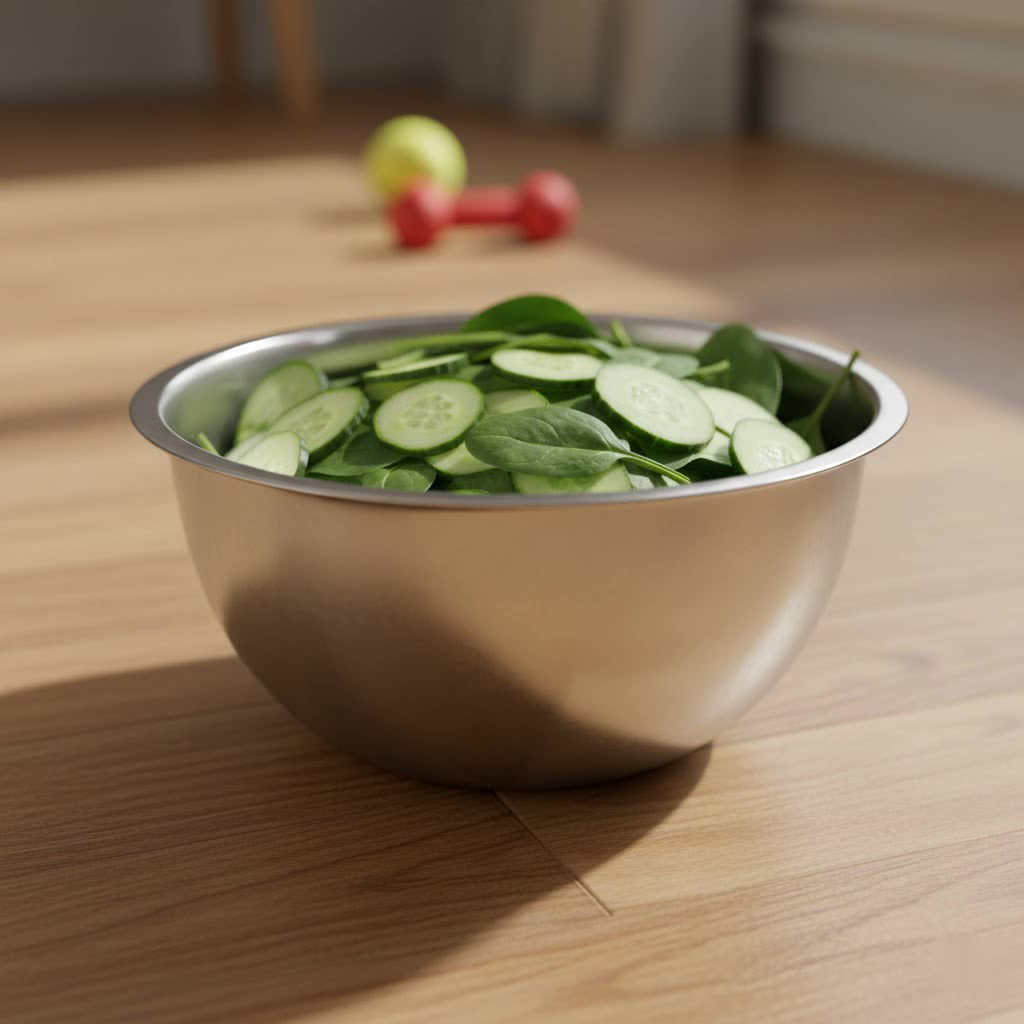
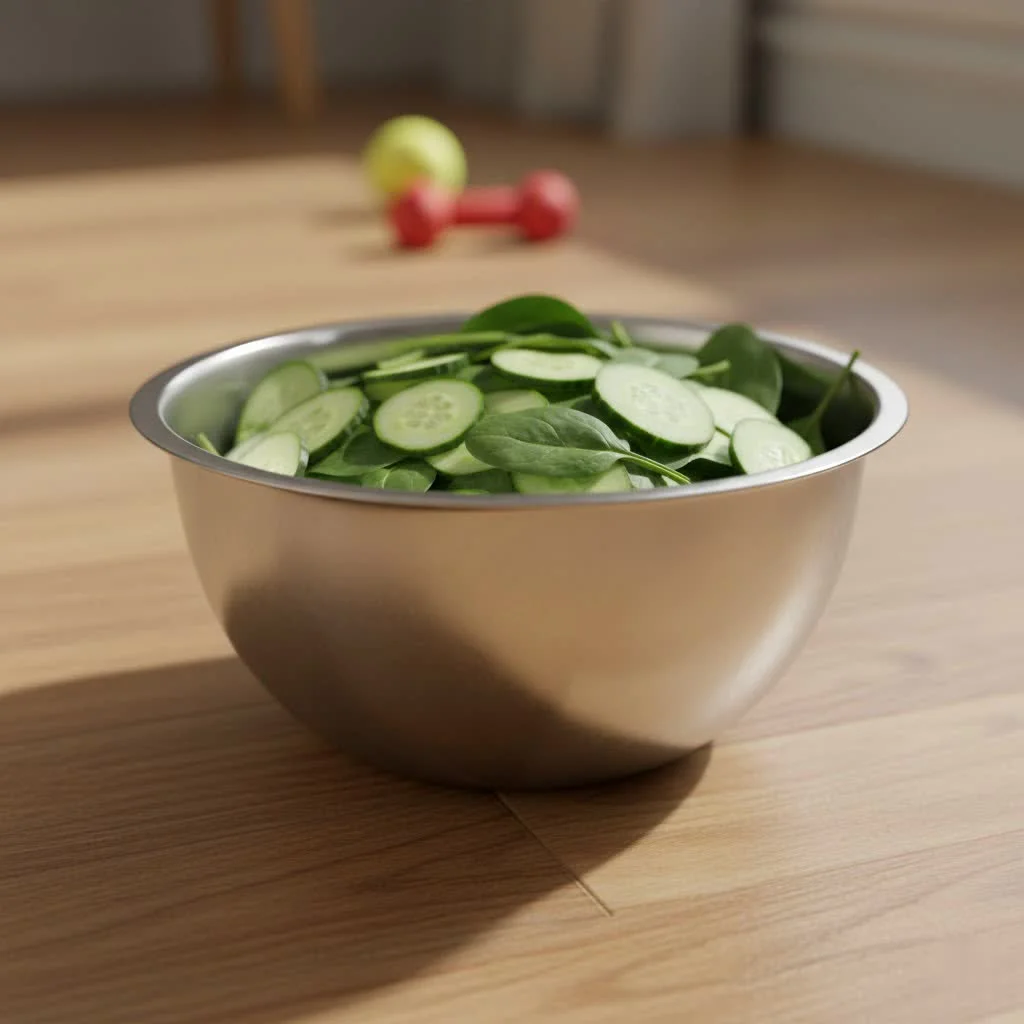
Stainless steel bowls are the undisputed champions in commercial kitchens, celebrated for their exceptional durability and versatility. They are lightweight, resistant to rust, stains, and odors, and incredibly easy to clean, making them a hygienic choice for food preparation. Stainless steel is non-reactive with most ingredients and excels at temperature control, quickly adjusting to hot water baths for melting or chilling over ice baths. However, they are not microwave-safe and can show scratches if metal utensils are used vigorously. -
Glass Mixing Bowls
Glass mixing bowls offer transparency, allowing chefs to visually monitor the mixing process, which is particularly useful for achieving consistent textures. They are entirely non-reactive, making them an excellent choice for acidic ingredients that might react with certain metals. Glass bowls are also typically microwave-safe, freezer-safe, and some are even oven-safe, adding to their versatility. On the downside, glass is heavy and susceptible to breakage if dropped, and it retains heat, which can be a consideration for temperature-sensitive preparations. -
Plastic Mixing Bowls
Plastic mixing bowls are generally lightweight and the most cost-effective option, often available in a wide array of colors for organization or aesthetic purposes. They are suitable for light mixing tasks and temporary storage. However, plastic can absorb odors and stains over time, is less durable than stainless steel or glass, and may not be heat-resistant, potentially warping or melting in high temperatures or microwaves. Due to these limitations, and concerns about microplastics, they are less frequently found in heavy-duty commercial operations. -
Ceramic Mixing Bowls
Ceramic bowls offer a traditional aesthetic and a significant weight that provides stability during mixing. Some ceramic bowls are oven-safe and can be quite appealing for serving. Yet, their use in a bustling commercial kitchen is often limited due to their fragility; they are prone to chipping or cracking if mishandled. Ceramic also retains heat, which might not be ideal for recipes requiring rapid cooling.
Choosing the right material ensures your bowls stand up to the specific demands of your kitchen, from resisting corrosive ingredients to enduring constant washing cycles.
By Size
|
Our Picks for the Best Mixing Bowl in 2026
As an Amazon Associate I earn from qualifying purchases.
|
||
| Num | Product | Action |
|---|---|---|
| 1 | WHYSKO Meal Prep Stainless Steel Mixing Bowls Set, Home, Refrigerator, and Kitchen Food Storage Organizers - Ecofriendly, Reusable, Heavy Duty (Black) |

|
| 2 | WHYSKO Meal Prep Stainless Steel Mixing Bowls Set, Home, Refrigerator, and Kitchen Food Storage Organizers - Ecofriendly, Reusable, Heavy Duty (Light Blue) |
|
| 3 | WHYSKO Meal Prep Stainless Steel Mixing Bowls Set, Home, Refrigerator, and Kitchen Food Storage Organizers - Ecofriendly, Reusable, Heavy Duty (Gray) |
|
| 4 | Pyrex Essentials (3-Piece) Glass Mixing Bowls Set For Prepping, Baking and Cooking, Preheated Oven, Dishwasher, Freezer, and Microwave Safe |
|
| 5 | Pyrex Sculpted (3-Pack) Glass Mixing Bowls Set With Lids For Prepping, Baking and Cooking, Preheated Oven, Dishwasher, Freezer, and Microwave Safe |
|
| 6 | WHYSKO Meal Prep Stainless Steel Mixing Bowls Set, Home, Refrigerator, and Kitchen Food Storage Organizers - Ecofriendly, Reusable, Heavy Duty (Khaki) |
|
| 7 | WHYSKO Meal Prep Stainless Steel Mixing Bowl (5-Piece Set) Home, Refrigerator, and Kitchen Food Storage Organizers - Ecofriendly, Heavy Duty, No Lids |
|
| 8 | Priority Chef Premium Mixing Bowls With Lids Set, Airtight Lids, Thicker Stainless Steel, Non-Slip Base, 5 Nesting Steel Bowls for Kitchen, Large Prep Metal Bowl Set 1.5/2/3/4/5 Qt, Black |
|
| 9 | Winco , 8-Quart, Stainless Steel (MXB-800Q) |
|
| 10 | WHYSKO Meal Prep Stainless Steel Mixing Bowls Set, Home, Refrigerator, and Kitchen Food Storage Organizers - Ecofriendly, Reusable, Heavy Duty (Blue) |
|
The capacity of a mixing bowl, typically measured in quarts or liters, is crucial for efficiency and preventing spills. Commercial kitchens require a range of sizes to accommodate various tasks.
-
Small Mixing Bowls (Under 3 Quarts)
These compact bowls are perfect for precise tasks such as whisking eggs, making vinaigrettes, melting butter or chocolate over a double boiler, or preparing small batches of ingredients. Their manageable size allows for easy handling and focused mixing. -
Medium Mixing Bowls (3 to 6 Quarts)
Medium-sized bowls are the versatile workhorses for everyday culinary tasks. They are ideal for mixing pancake or muffin batters, combining ingredients for salads, or preparing fillings. Most commercial kitchens will have several bowls in this size range due to their adaptability. -
Large Mixing Bowls (Over 6 Quarts)
For high-volume production, large mixing bowls are indispensable. Capacities can range from 8 quarts up to 140 quarts or more for industrial stand mixers. These bowls are essential for kneading large quantities of dough, preparing substantial batches of sauces, mixing large salads, or marinating meats for catering events. Having a variety of large sizes allows for maximum flexibility in bulk food preparation.
By Feature
Beyond material and size, specific design features can significantly enhance the functionality and convenience of commercial mixing bowls.
-
Mixing Bowls with Lids
Integrated or compatible lids are invaluable for food safety and operational efficiency. They are perfect for storing prepared ingredients, preventing cross-contamination, keeping food fresh, and facilitating dough proofing in temperature-controlled environments. -
Non-Slip Base Mixing Bowls
Bowls equipped with a silicone or rubberized base provide crucial stability during vigorous mixing, preventing the bowl from sliding across countertops. This feature is particularly beneficial when using a hand mixer or performing rapid whisking, significantly reducing spills and improving safety. -
Pour Spout Mixing Bowls
A built-in pour spout simplifies the transfer of liquid batters, sauces, and dressings from the bowl to other containers or baking pans, minimizing drips and mess. This feature is a small detail that makes a big difference in maintaining a clean and efficient workspace. -
Nesting Mixing Bowls
Sets of bowls designed to fit neatly inside one another are a space-saving solution, critical for kitchens with limited storage. This organized approach keeps various sizes readily accessible while occupying minimal cabinet space.
Comparison Table: Choosing Your Commercial Mixing Bowl
| Feature | Stainless Steel | Glass | Plastic | Ceramic |
|---|---|---|---|---|
| Durability | Excellent (heavy-duty, impact-resistant) | Moderate (breakable if dropped) | Low to Moderate (scratches, less rigid) | Low (chips, cracks if dropped) |
| Weight | Lightweight | Heavy | Very Lightweight | Very Heavy |
| Reactivity | Generally non-reactive (check grade) | Non-reactive (ideal for acidic) | Non-reactive (can absorb odors/stains) | Non-reactive |
| Heat Resistance | Excellent (can be heated/chilled) | Good (microwave/oven-safe, retains heat) | Poor (can warp/melt) | Good (oven-safe, retains heat) |
| Microwave Safe | No | Yes | Some (check manufacturer) | Yes |
| Dishwasher Safe | Yes | Yes | Yes (check heat limits) | Yes (handle with care) |
| Cost | Moderate to High | Moderate | Low | Moderate to High |
| Commercial Use | High-volume prep, dough, general mixing | Melting, precise work, acidic ingredients | Light mixing, temporary storage | Limited (specialty, serving, display) |
Your Essential Buying Guide for Commercial Mixing Bowls
Making the right investment in commercial mixing bowls requires careful consideration of several factors tailored to your kitchen’s specific demands.
-
Assess Your Needs: Begin by evaluating the primary functions your mixing bowls will serve. Are you mostly whisking small quantities, kneading large batches of dough, or preparing acidic marinades? Understanding the typical volume, ingredients, and frequency of use will guide your choices. A bakery will prioritize large, sturdy bowls for dough, while a fine-dining restaurant might focus on a diverse set for various sauces and preparations.
-
Prioritize Material: Based on your needs, choose a material that offers the best balance of durability, safety, and functionality. For heavy-duty, all-purpose use, stainless steel is often the best choice. If visual monitoring or microwave use is essential, glass bowls are superior. For specialized or less demanding tasks, plastic or ceramic might be suitable, but always with an understanding of their limitations in a commercial context.
-
Determine Optimal Sizes: Stock a range of sizes to ensure versatility. A common recommendation is to have a comprehensive set including small (1-3 quarts), medium (3-6 quarts), and large (8+ quarts) bowls. For kitchens using industrial stand mixers, ensure you have bowls specifically designed to fit those machines, which can range significantly in capacity.
-
Consider Key Features: Think about additional features that can improve workflow. Lids are invaluable for storage and food safety. Non-slip bases enhance stability and reduce accidents. Pour spouts can simplify transferring liquid ingredients, and nesting designs are excellent for maximizing storage efficiency.
-
Reputable Brands: Invest in commercial-grade bowls from reputable manufacturers known for quality and durability. Brands such as Vollrath, OXO, Winco, and those associated with commercial mixer manufacturers like Hobart, are often reliable choices. While initial cost might be higher, the longevity and performance of quality bowls often provide better long-term value.
-
Inspect Quality: Before purchasing, examine the construction and finish. Look for sturdy seams, smooth edges, and a solid feel. For stainless steel, ensure it’s made from food-grade material. For plastic, check for BPA-free certification. A well-made bowl will withstand years of heavy commercial use.
Top Commercial Mixing Bowls
In a commercial setting, “top” mixing bowls aren’t always about specific brand names, but rather the characteristics that make them exceptionally reliable and efficient.
- Heavy-Duty Stainless Steel Sets: These are the backbone of any professional kitchen. Look for sets made from thick, durable stainless steel that can withstand constant use, rigorous cleaning, and accidental drops without denting or deforming. Sets with a wide range of nesting sizes, often from 0.75 quarts up to 20 quarts, provide maximum utility.
- Glass Mixing Bowls for Precision and Visibility: A high-quality set of clear, non-reactive glass bowls is essential for tasks requiring visual oversight, such as tempering chocolate or preparing delicate custards. These bowls should be microwave, freezer, and ideally, oven-safe, offering versatility for various preparations.
- Mixing Bowls with Enhanced Stability and Storage: Top-tier commercial mixing bowls often incorporate features like non-slip silicone bases for superior grip during intense mixing. Many also come with airtight lids, transforming them into excellent storage containers for prep work, marinating, or refrigerating leftovers, thereby extending food freshness and reducing waste.
Cleaning and Maintaining Commercial Mixing Bowls
Proper cleaning and maintenance are essential to prolong the lifespan of your commercial mixing bowls and maintain hygiene standards.
-
Stainless Steel Bowls: These are generally dishwasher safe and can endure high-temperature commercial dishwashers. To prevent scratches, avoid using abrasive scrubbing pads like steel wool and metal utensils inside the bowls during use. For stubborn residue, soaking with warm, soapy water is effective.
-
Glass Bowls: Glass bowls are typically dishwasher safe. Handle them with care to prevent chipping or breakage, especially when loading and unloading from dishwashers or storage. Their non-porous surface makes them easy to clean, and they resist stains and odors well.
-
Plastic Bowls: While usually dishwasher safe (check manufacturer guidelines for heat resistance), plastic bowls are best hand-washed with mild soap and water to prevent the absorption of odors and stains over time. Avoid harsh chemicals or abrasive scrubbers, which can scratch the surface and potentially harbor bacteria.
-
Ceramic Bowls: Ceramic bowls should be hand-washed with mild soap to protect their finish and prevent chipping. While some may be dishwasher safe, careful handling is always recommended due to their fragile nature.
Regardless of the material, always ensure bowls are thoroughly dried before stacking or storing to prevent water spots and inhibit bacterial growth. Regularly inspecting your bowls for any damage like cracks or deep scratches is also crucial, as these can compromise hygiene and performance.
Conclusion
In the demanding world of commercial kitchens, the humble mixing bowl stands as an indispensable tool, enabling chefs and culinary teams to execute their craft with precision and efficiency. By thoughtfully considering the material, size, and features, you can assemble a collection of mixing bowls perfectly suited to your operational needs. Investing in durable, high-quality bowls, and committing to their proper cleaning and maintenance, will not only enhance your kitchen’s productivity and hygiene but also contribute significantly to the longevity of your equipment. A well-equipped kitchen is a successful kitchen, and at the heart of it lies a robust selection of commercial mixing bowls.
What types of culinary innovations will your perfectly chosen mixing bowls help you create next?
Frequently Asked Questions
What is the best material for commercial mixing bowls?
Stainless steel is widely considered the best material for commercial mixing bowls due to its exceptional durability, lightweight nature, resistance to rust and odors, and ease of cleaning. It’s ideal for high-volume use and offers good temperature control, though it is not microwave safe.
What sizes of mixing bowls do I need for a commercial kitchen?
A commercial kitchen requires a versatile range of mixing bowl sizes, typically from small (1-3 quarts for delicate tasks) to medium (3-6 quarts for general prep) and large (8+ quarts, up to 140+ quarts for industrial mixers and bulk production). Having a variety ensures efficiency for all culinary needs.
Can I use plastic mixing bowls in a commercial setting?
While lightweight and affordable, plastic mixing bowls are generally less recommended for heavy-duty commercial use due to their lower durability, tendency to absorb odors and stains, and potential for warping or scratching. They may be suitable for very light tasks or temporary storage, provided they are BPA-free and handled with care.
How do I prevent my mixing bowls from slipping during use?
To prevent mixing bowls from slipping, opt for bowls with a non-slip silicone or rubberized base. Alternatively, you can place a damp towel or a silicone mat beneath any bowl to create friction and provide stability during vigorous mixing, especially when using hand mixers.
Are all stainless steel mixing bowls the same quality?
No, the quality of stainless steel mixing bowls can vary significantly. Look for bowls made from heavier gauge stainless steel, which indicates greater durability and resistance to dents. Higher-grade stainless steel is also more resistant to corrosion and reactivity, ensuring longevity and food safety in a commercial environment.
Cooking gear we tested in our own kitchens
Free PDF — preheat times measured on 10 popular air fryers.
