In the bustling heart of any kitchen, where creativity meets culinary execution, one tool often goes unsung yet plays a pivotal role in countless dishes: the mixing bowl. While a basic bowl suffices for many tasks, the specialized mixing bowl with a handle and spout elevates efficiency and precision to an art form. Imagine effortlessly pouring delicate batter into a pan without a single drip, or whisking vigorously without fear of your bowl slipping. This combination of ergonomic design and thoughtful functionality transforms mundane prep work into a seamless, enjoyable experience.
This article delves into the world of these specialized kitchen companions, exploring their fundamental design, the diverse materials they come in, essential features to consider, and practical advice on choosing and caring for the perfect mixing bowl with a handle and spout to suit your unique cooking and baking needs.
What is a Mixing Bowl with Handle and Spout?
At its core, a mixing bowl with a handle and spout is an enhanced version of the traditional mixing vessel. It combines the foundational utility of a standard bowl with two key ergonomic additions: an integrated handle and a precisely designed pouring spout. The handle provides a secure, comfortable grip, allowing for greater control and stability during stirring, whisking, or transporting ingredients. The spout, often a slight indentation or a more pronounced lip on the rim, ensures controlled liquid transfer, making it ideal for everything from pancake batter to salad dressings. This thoughtful design minimizes spills and messes, transforming otherwise cumbersome tasks into quick, clean operations. Over time, as home cooking and baking became more sophisticated, the evolution of basic bowls led to the incorporation of these features, directly addressing the demand for greater convenience and precision in the kitchen.
Types of Mixing Bowls with Handle and Spout by Material
The material of your mixing bowl significantly impacts its performance, durability, and suitability for various kitchen tasks. Each type offers distinct advantages and considerations when combined with a handle and spout.
Stainless Steel Mixing Bowls
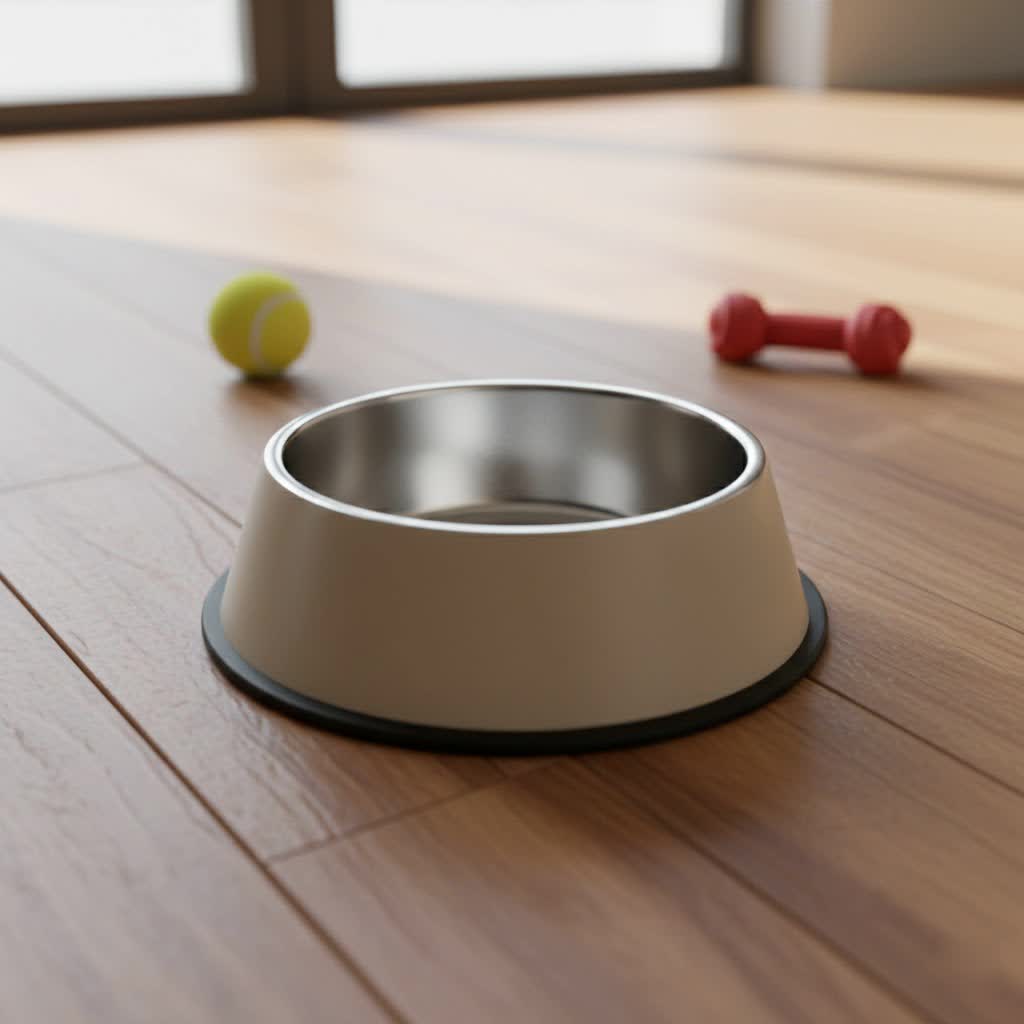
Stainless steel is a perennial favorite in both professional and home kitchens, and for good reason. Bowls crafted from this material are known for their exceptional durability and resistance to rust, chipping, and cracking. They are lightweight, making them easier to handle, especially when full. The non-reactive nature of stainless steel ensures that it won’t impart flavors or odors to your food, even when working with acidic ingredients. Many stainless steel bowls feature non-slip silicone bases for added stability during vigorous mixing, and their heat-conductive properties make them excellent for creating a double boiler.
However, stainless steel bowls are generally not microwave-safe, which can be a drawback if you frequently need to melt ingredients quickly. They can also get hot to the touch when used with hot liquids or over a double boiler, and metal utensils can potentially leave scratches.
Glass Mixing Bowls
|
Our Picks for the Best Mixing Bowl in 2026
As an Amazon Associate I earn from qualifying purchases.
|
||
| Num | Product | Action |
|---|---|---|
| 1 | Pyrex Sculpted (3-Pack) Glass Mixing Bowls Set With Lids For Prepping, Baking and Cooking, Preheated Oven, Dishwasher, Freezer, and Microwave Safe |

|
| 2 | WHYSKO Meal Prep Stainless Steel Mixing Bowls Set, Home, Refrigerator, and Kitchen Food Storage Organizers - Ecofriendly, Reusable, Heavy Duty (Blue) |
|
| 3 | Priority Chef Premium Mixing Bowls With Lids Set, Airtight Lids, Thicker Stainless Steel, Non-Slip Base, 5 Nesting Steel Bowls for Kitchen, Large Prep Metal Bowl Set 1.5/2/3/4/5 Qt, Black |
|
| 4 | WHYSKO Meal Prep Stainless Steel Mixing Bowls Set, Home, Refrigerator, and Kitchen Food Storage Organizers - Ecofriendly, Reusable, Heavy Duty (Khaki) |
|
| 5 | Pyrex Essentials (3-Piece) Glass Mixing Bowls Set For Prepping, Baking and Cooking, Preheated Oven, Dishwasher, Freezer, and Microwave Safe |
|
| 6 | WHYSKO Meal Prep Stainless Steel Mixing Bowl (5-Piece Set) Home, Refrigerator, and Kitchen Food Storage Organizers - Ecofriendly, Heavy Duty, No Lids |
|
| 7 | WHYSKO Meal Prep Stainless Steel Mixing Bowls Set, Home, Refrigerator, and Kitchen Food Storage Organizers - Ecofriendly, Reusable, Heavy Duty (Light Blue) |
|
| 8 | Winco , 8-Quart, Stainless Steel (MXB-800Q) |
|
| 9 | WHYSKO Meal Prep Stainless Steel Mixing Bowls Set, Home, Refrigerator, and Kitchen Food Storage Organizers - Ecofriendly, Reusable, Heavy Duty (Black) |
|
| 10 | WHYSKO Meal Prep Stainless Steel Mixing Bowls Set, Home, Refrigerator, and Kitchen Food Storage Organizers - Ecofriendly, Reusable, Heavy Duty (Gray) |
|
Glass mixing bowls offer a classic aesthetic and several practical benefits. Made from tempered or fortified glass, they are highly durable and non-reactive, meaning they won’t absorb food odors, stains, or interact with acidic ingredients. A significant advantage is their transparency, allowing you to easily monitor the mixing process and ensure ingredients are thoroughly combined. Most glass bowls are microwave-safe, oven-safe, and freezer-safe, offering incredible versatility from prep to cooking to storage. With a well-designed handle and spout, the inherent heaviness of glass becomes more manageable for pouring.
On the downside, glass bowls are heavier than their stainless steel or plastic counterparts and, despite their durability, are still prone to chipping or shattering if dropped on a hard surface or subjected to extreme impact.
Plastic Mixing Bowls
Plastic mixing bowls, typically made from food-safe polypropylene, are a lightweight and often more affordable option. They are shatter-resistant, making them a good choice for busy kitchens or households with children. Many plastic bowls are dishwasher-safe and microwave-safe, providing convenience for everyday use and quick heating tasks. The handles and spouts on plastic bowls are usually well-integrated and comfortable.
However, plastic can be susceptible to staining from vibrant foods like tomato sauce and may absorb strong odors over time. Fats can also cling to plastic surfaces, making it challenging to whip ingredients like egg whites to stiff peaks. While generally durable, they may not withstand high heat as well as glass or stainless steel and are often seen as a less environmentally friendly option.
Ceramic/Stoneware Mixing Bowls
Ceramic and stoneware mixing bowls bring a touch of traditional charm and aesthetic appeal to the kitchen. They are sturdy, often feature beautiful glazes or hand-painted designs, and can seamlessly transition from prep to serving. Their inherent weight provides stability during mixing, and they are excellent at retaining temperature. Many ceramic bowls are microwave and oven-safe, though it’s always crucial to check manufacturer instructions.
The primary drawbacks include their significant weight, which can make handling and pouring challenging even with a handle and spout, and their susceptibility to chipping or breaking if dropped. Cleaning can also sometimes be more difficult due to porous surfaces if not properly glazed.
Overall Material Comparison
| Feature | Stainless Steel | Glass | Plastic | Ceramic/Stoneware |
|---|---|---|---|---|
| Durability | Very High | High (tempered) | Moderate to High | Moderate to High |
| Weight | Lightweight | Heavy | Very Lightweight | Very Heavy |
| Microwave-Safe | No | Yes | Yes (check label) | Yes (check label) |
| Oven-Safe | Yes (some) | Yes (tempered) | No | Yes (check label) |
| Non-Reactive | Yes | Yes | Yes | Yes |
| Stain/Odor Resist | High | High | Low to Moderate | High |
| Aesthetics | Modern, Industrial | Classic, Transparent | Varied, Casual | Traditional, Rustic |
| Price | Moderate to High | Moderate | Low | Moderate to High |
Types by Size
Mixing bowls with handles and spouts come in a variety of sizes, typically measured in quarts or liters. Having a range of sizes is essential for tackling different recipes and quantities.
- Small (Under 1-2 Quarts/Litres): These are perfect for whisking a single egg, preparing small batches of dressing, melting butter, or holding pre-measured ingredients. Their compact size makes them easy to maneuver with a handle and spout for precise additions to larger mixtures.
- Medium (1-3 Liters/3-4 Quarts): The workhorses of most kitchens, medium bowls are ideal for everyday tasks like mixing cookie dough, tossing a salad for a small family, or preparing smaller cake batters. The handle and spout significantly aid in controlled pouring for these common baking and cooking tasks.
- Large (Over 3-5+ Quarts/Litres): Essential for big-batch baking, preparing dough for multiple loaves of bread, serving large salads, or catering for gatherings. A large mixing bowl with a handle and spout is particularly valuable, as it provides the leverage needed to pour substantial volumes of liquid or batter without strain or mess.
Many brands offer mixing bowl sets that nest neatly inside each other, saving valuable cabinet space while providing a comprehensive range of sizes.
Additional Features to Look For
Beyond material and size, several other features can enhance the functionality and user experience of your mixing bowl with a handle and spout:
- Non-slip Base/Silicone Bottom: A rubberized or silicone base helps to stabilize the bowl on your countertop, preventing it from sliding around during vigorous mixing. This feature is particularly valuable when using a hand mixer or whisking with one hand.
- Lids: Bowls that come with tight-fitting lids are incredibly versatile. They are perfect for storing leftover ingredients, marinating meats, refrigerating dough, or transporting food to potlucks, maintaining freshness and preventing spills.
- Measurement Markings: Some bowls feature internal measurement markings, eliminating the need for separate measuring cups. This can be a time-saver and reduce the number of dishes you need to wash.
- Nesting Design: A common feature for sets, nesting bowls fit inside one another, optimizing storage space in your kitchen cabinets.
- Smooth Curved Interior: A bowl with a smooth, continuous curve on the inside ensures that ingredients are thoroughly incorporated and makes scraping down the sides and cleaning much easier, leaving no hard-to-reach corners.
Buying Guide: Choosing the Right Mixing Bowl with Handle and Spout
Selecting the perfect mixing bowl with a handle and spout involves balancing your specific culinary needs with practical considerations.
- Assess Your Primary Use: Consider what you’ll be using the bowl for most often. Are you a frequent baker who needs to pour batters? Do you often prepare dressings and sauces? Or perhaps you need a versatile bowl for everyday cooking and storing? Your primary use will guide your choices in material and size.
- Prioritize Material: Based on your needs, decide which material best suits you. If microwave safety and visibility are key, glass is excellent. For durability and light weight, stainless steel is ideal. If affordability and shatter-resistance are important, plastic might be your go-to. For aesthetic appeal and serving versatility, ceramic could be the winner.
- Determine Appropriate Sizes: Consider the typical quantities you cook or bake. A set offering small, medium, and large bowls is often the most practical choice, ensuring you always have the right size on hand. For single servings or small prep work, a 1-quart bowl is handy, while large families or avid bakers might prioritize bowls of 5 quarts or more.
- Evaluate Handle Comfort and Spout Precision: A comfortable, ergonomic handle that provides a secure grip is paramount. Test how the handle feels in your hand. The spout should allow for controlled, drip-free pouring. Look for a well-defined spout that funnels liquids effectively.
- Look for Additional Features: Decide if features like a non-slip base, airtight lids, or internal measurement markings are important for your workflow and convenience. These small additions can significantly enhance the bowl’s utility.
- Consider Reputable Brands and Reviews: Brands like OXO Good Grips are often cited for their thoughtful design, combining comfortable handles and effective spouts across different materials. Reading user reviews can offer valuable insights into a product’s real-world performance regarding pouring, stability, and durability.
- Set Your Budget: Mixing bowls are available at various price points. Determine how much you’re willing to invest, keeping in mind that a good quality set can be a long-term kitchen asset.
Top Mixing Bowls with Handle and Spout: Common Characteristics
While specific product recommendations can become outdated, understanding the characteristics of top-performing mixing bowls with handles and spouts will help you make an informed decision.
For those prioritizing lightweight convenience and microwave versatility, a high-quality plastic mixing bowl set is often a favorite. These sets typically feature vibrant colors, an easy-grip handle, and a well-designed pour spout that makes transferring batters a breeze. Their non-slip bases ensure stability, and their microwave-safe nature means you can quickly melt butter or warm ingredients without extra dishes. The best plastic options are made from durable, food-safe polypropylene that resists staining and odors effectively.
For robust durability and professional-grade performance, a stainless steel mixing bowl with a comfortable handle and spout is a go-to. These bowls are often praised for their insulated design (sometimes with a plastic exterior) that keeps contents at a stable temperature, whether warm or cold. A robust handle provides excellent leverage for heavy mixing, while the spout allows for precise pouring without drips. The non-skid base is a critical feature, ensuring the bowl stays put even during intense whisking or stirring. While not microwave-safe, their ability to withstand high heat makes them perfect for double boilers.
If aesthetic appeal and multi-functional use are your priority, then a stoneware or ceramic mixing bowl with a well-formed handle and spout is an excellent choice. These bowls often boast charming designs and can transition beautifully from meal prep to table service. A sturdy, integrated handle and a well-defined spout facilitate pouring, especially for thicker batters or sauces, while their weight contributes to stability. Their ability to retain heat and cold makes them practical for various applications.
Cleaning and Maintaining Mixing Bowls with Handle and Spout
Proper care ensures the longevity and hygiene of your mixing bowls.
Cleaning
- Dishwasher Safety: Most stainless steel, glass, and many plastic and ceramic bowls with handles and spouts are dishwasher-safe. Always check the manufacturer’s instructions. For plastic, using the top rack is often recommended to prevent warping from high heat.
- Hand Washing: For bowls not suitable for dishwashers, or to extend their life, hand washing with warm, soapy water is best. Pay attention to the spout and the area around the handle to ensure no food residue is trapped. For stainless steel, drying immediately after washing can prevent water spots. For plastic, a gentle scrub can help remove any fatty residue that might build up over time.
- Stubborn Stains: For plastic bowls that have absorbed colors, a paste of baking soda and water left to sit for a few hours can sometimes help. For glass, vinegar can restore shine and remove hard water spots.
Storage
- Nesting: If you have a set, ensure they are thoroughly dry before nesting them to prevent odors or moisture buildup. Lids can usually be stacked on top or stored separately.
- Protection: For ceramic or glass bowls, consider placing a paper towel or a thin cloth between nested bowls to prevent scratching or chipping.
Usage Tips
- Temperature Considerations: Always be mindful of material limitations. Stainless steel should not go in the microwave. Some plastic bowls are not oven-safe. Tempered glass is generally robust but avoid extreme temperature changes like moving a hot bowl directly into cold water.
- Utensil Choice: While stainless steel is durable, using metal whisks or scrapers aggressively on plastic or ceramic bowls can cause scratches. Silicone or wooden utensils are gentler alternatives.
Conclusion
The mixing bowl with a handle and spout is more than just a kitchen vessel; it’s a testament to how thoughtful design can dramatically improve your culinary experience. From the durability of stainless steel to the transparency of glass, the lightweight nature of plastic to the classic charm of ceramic, there’s a perfect option for every cook and baker. By understanding the advantages of each material, recognizing the importance of size, and appreciating the convenience of features like non-slip bases and secure handles, you can confidently select a tool that will bring precision, efficiency, and joy to your kitchen for years to come. Investing in the right mixing bowl with a handle and spout is a simple yet powerful way to upgrade your culinary toolkit.
Which mixing bowl with handle and spout will become your next kitchen favorite?
Frequently Asked Questions
Are mixing bowls with handles and spouts dishwasher safe?
Most mixing bowls made from stainless steel, tempered glass, and many types of plastic are dishwasher-safe. However, it is crucial to always check the specific manufacturer’s instructions for your bowl to confirm its compatibility and recommended cleaning method.
Can I use a mixing bowl with a handle and spout in the microwave?
The ability to use a mixing bowl in the microwave depends entirely on its material. Glass and most plastic mixing bowls with handles and spouts are microwave-safe, making them convenient for melting ingredients. Stainless steel and copper bowls, however, should never be put in the microwave.
Why is a spout important on a mixing bowl?
A spout is a vital feature on a mixing bowl because it allows for controlled and drip-free pouring of liquids and batters. This significantly reduces messes on your countertops and helps ensure that ingredients are accurately transferred into baking pans, other bowls, or serving dishes.
What’s the best material for a mixing bowl with a handle and spout for baking?
For baking, stainless steel and glass are generally excellent choices. Stainless steel is durable and good for vigorous mixing, while glass allows you to see the mixture and is microwave-safe for melting ingredients. The “best” depends on whether you prioritize durability and lightweight design (stainless steel) or microwave-friendliness and visibility (glass).
How do I prevent my mixing bowl from slipping on the counter?
Many mixing bowls with handles and spouts come with a non-slip base, often made of silicone or rubber, which provides stability during mixing. If your bowl doesn’t have this feature, you can place a damp cloth or a silicone mat underneath it on your countertop to prevent it from sliding.
Cooking gear we tested in our own kitchens
Free PDF — preheat times measured on 10 popular air fryers.
