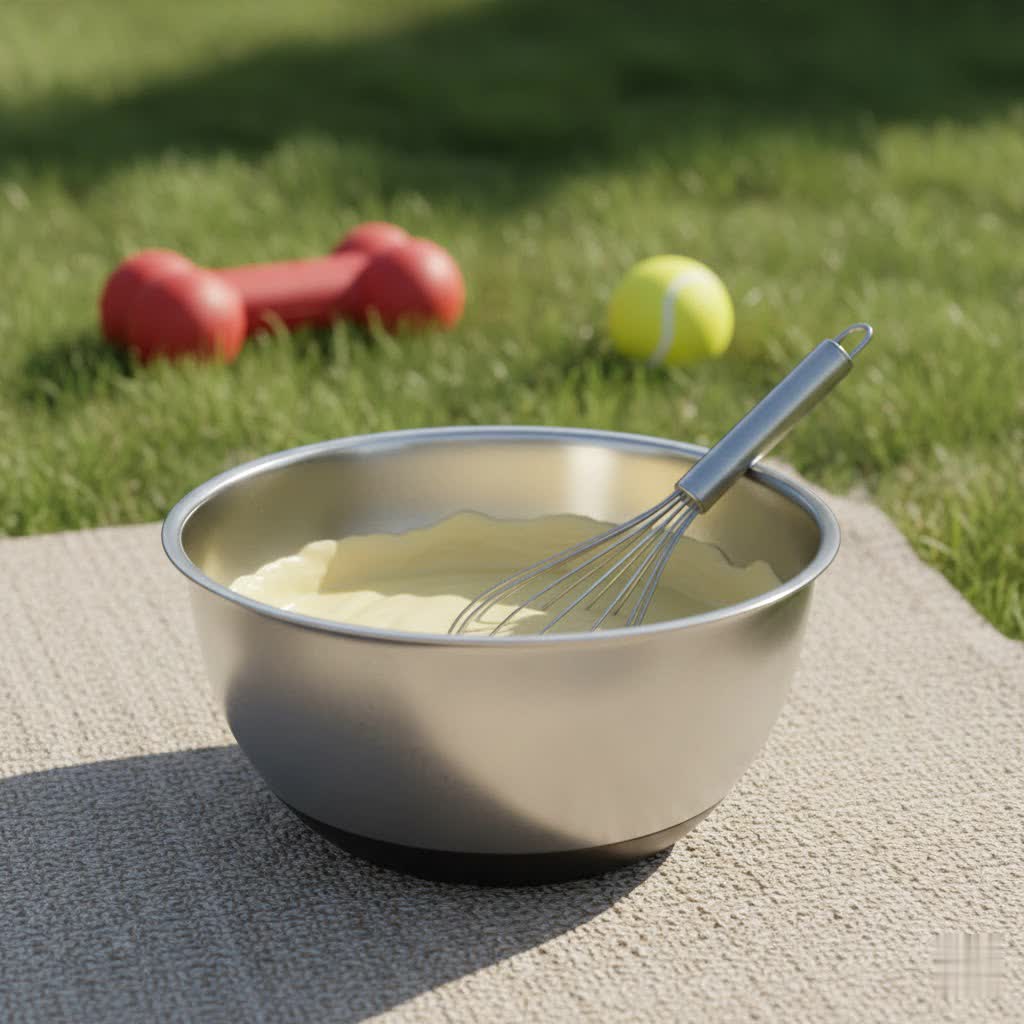
Every passionate baker or home cook knows the struggle of trying to prepare a large batch of cookies, a family-sized salad, or a hefty bread dough in a bowl that’s just too small. Ingredients threaten to spill over, mixing becomes a precarious dance, and the joy of cooking quickly turns into frustration. This is where the largest mixing bowls become an indispensable kitchen companion, offering the generous space needed to tackle any culinary challenge with ease.
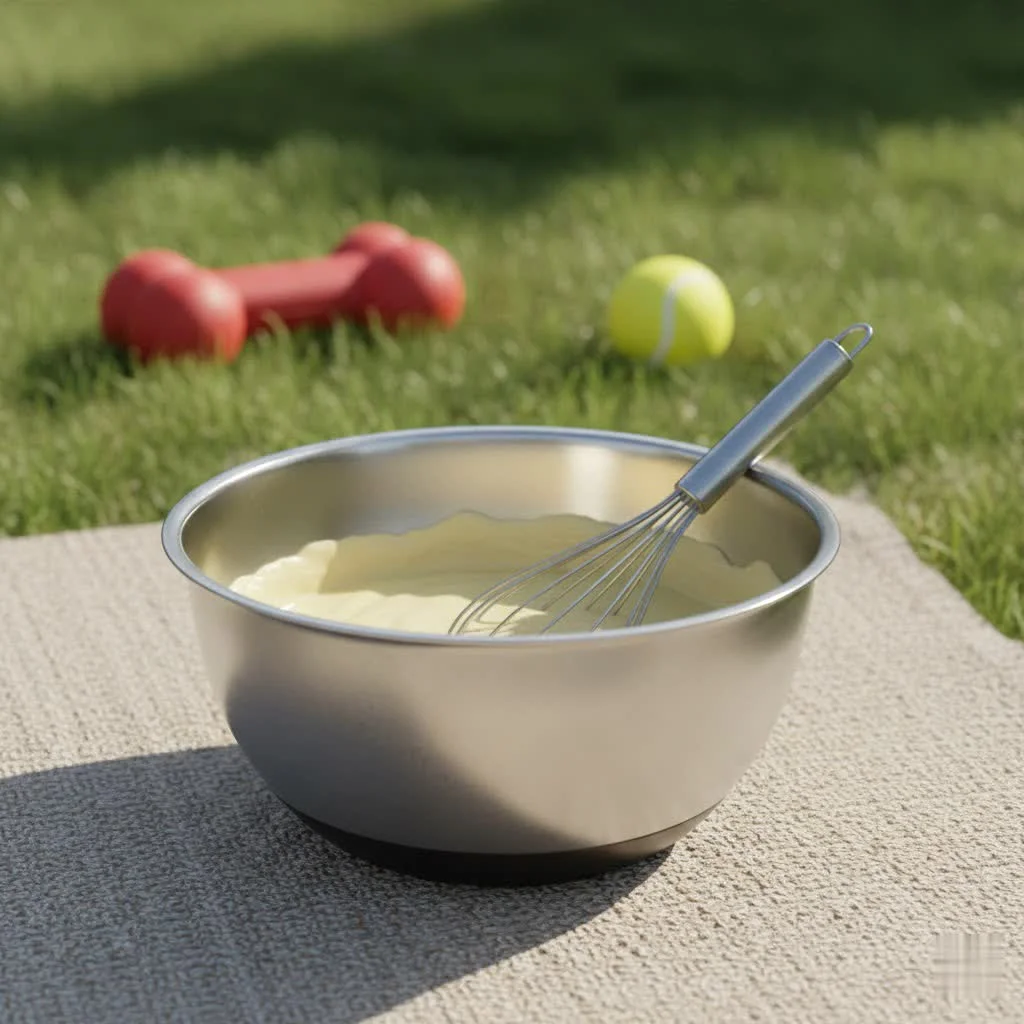
This comprehensive guide will delve into the world of expansive mixing bowls, exploring what defines them, the diverse materials they come in, essential features to consider, and how to select the perfect colossal container to elevate your cooking and baking adventures. Whether you’re preparing for a holiday feast, running a small catering business, or simply love to bake in bulk, finding the right large mixing bowl can transform your kitchen experience. For expert kitchenware reviews on this site.
What is a Mixing Bowl?
At its core, a mixing bowl is a fundamental kitchen utensil designed to contain ingredients while they are stirred, whisked, combined, or kneaded. From its humble beginnings as a simple piece of crockery, the mixing bowl has evolved significantly, embracing various materials, shapes, and features to meet the demands of modern culinary practices. Its primary purpose remains unchanged: to provide a stable, spacious vessel for the harmonious amalgamation of ingredients, enabling everything from a light vinaigrette to a dense bread dough.
Historically, mixing bowls were often made from pottery or wood, reflecting the natural materials available. As technology advanced, so did the options for mixing bowls, leading to the introduction of glass, metal, and plastic. Today, mixing bowls are designed not just for utility but also for ergonomic comfort, ease of cleaning, and often, aesthetic appeal, making them a central component in any well-equipped kitchen.
Understanding Mixing Bowl Sizes: What Qualifies as “Largest”?
When we talk about “largest mixing bowls,” we are generally referring to capacities significantly beyond the standard everyday sizes. While a typical home kitchen might utilize bowls ranging from 1 to 4 quarts (approximately 1 to 4 liters), large mixing bowls typically start at around 6 quarts and can extend dramatically upwards, reaching capacities of 8, 10, 16, or even an impressive 30 quarts or more. These substantial sizes are designed to accommodate considerable volumes of ingredients, making them ideal for specific tasks that smaller bowls simply cannot handle.
The necessity for a large capacity bowl becomes evident when preparing double or triple batches of recipes, mixing large salads for gatherings, proofing substantial amounts of bread dough, or marinating sizable cuts of meat. A bowl that is generously sized prevents overflow, allows for vigorous mixing without mess, and provides ample room for ingredients to combine thoroughly, making the entire cooking process more efficient and enjoyable.
Types of Mixing Bowls by Material
The material of a mixing bowl significantly impacts its performance, durability, and suitability for various kitchen tasks. For large mixing bowls, material choice is even more critical due to the weight and volume of ingredients they are expected to hold.
Stainless Steel Mixing Bowls
|
Our Picks for the Best Mixing Bowl in 2026
As an Amazon Associate I earn from qualifying purchases.
|
||
| Num | Product | Action |
|---|---|---|
| 1 | Winco , 8-Quart, Stainless Steel (MXB-800Q) |

|
| 2 | WHYSKO Meal Prep Stainless Steel Mixing Bowls Set, Home, Refrigerator, and Kitchen Food Storage Organizers - Ecofriendly, Reusable, Heavy Duty (Gray) |
|
| 3 | Pyrex Essentials (3-Piece) Glass Mixing Bowls Set For Prepping, Baking and Cooking, Preheated Oven, Dishwasher, Freezer, and Microwave Safe |
|
| 4 | WHYSKO Meal Prep Stainless Steel Mixing Bowls Set, Home, Refrigerator, and Kitchen Food Storage Organizers - Ecofriendly, Reusable, Heavy Duty (Khaki) |
|
| 5 | WHYSKO Meal Prep Stainless Steel Mixing Bowl (5-Piece Set) Home, Refrigerator, and Kitchen Food Storage Organizers - Ecofriendly, Heavy Duty, No Lids |
|
| 6 | WHYSKO Meal Prep Stainless Steel Mixing Bowls Set, Home, Refrigerator, and Kitchen Food Storage Organizers - Ecofriendly, Reusable, Heavy Duty (Black) |
|
| 7 | Priority Chef Premium Mixing Bowls With Lids Set, Airtight Lids, Thicker Stainless Steel, Non-Slip Base, 5 Nesting Steel Bowls for Kitchen, Large Prep Metal Bowl Set 1.5/2/3/4/5 Qt, Black |
|
| 8 | WHYSKO Meal Prep Stainless Steel Mixing Bowls Set, Home, Refrigerator, and Kitchen Food Storage Organizers - Ecofriendly, Reusable, Heavy Duty (Blue) |
|
| 9 | Pyrex Sculpted (3-Pack) Glass Mixing Bowls Set With Lids For Prepping, Baking and Cooking, Preheated Oven, Dishwasher, Freezer, and Microwave Safe |
|
| 10 | WHYSKO Meal Prep Stainless Steel Mixing Bowls Set, Home, Refrigerator, and Kitchen Food Storage Organizers - Ecofriendly, Reusable, Heavy Duty (Light Blue) |
|
Stainless steel is arguably the most popular material for large mixing bowls, especially in professional and high-volume home kitchens.
- Pros: Stainless steel bowls are exceptionally durable, resisting dents and rust, and are relatively lightweight despite their strength. They are non-reactive, meaning they won’t impart flavors or odors to your food, and are incredibly easy to clean, often being dishwasher safe. Their smooth, non-porous surface makes them hygienic, and many large stainless steel bowls are stackable, offering efficient storage. They are perfect for commercial use and handling large batches, with capacities easily reaching 30 quarts.
- Cons: They can be noisy during mixing, and some lower-quality finishes might scratch over time. Stainless steel bowls are also not safe for microwave use.
- Applications: Ideal for mixing large quantities of dough, preparing substantial salads, vigorous whisking, and general food preparation in catering or large family settings.
Glass Mixing Bowls
Glass mixing bowls offer transparency and versatility, though large sizes can be quite heavy.
- Pros: Glass is completely non-reactive, making it safe for all types of food, including acidic ingredients. Its transparency allows you to see the mixing process from all angles, ensuring thorough incorporation. Many glass bowls are safe for use in the microwave, oven, and freezer, making them highly versatile for melting butter, tempering chocolate, or storing leftovers. They also have a classic, aesthetically pleasing appearance.
- Cons: Glass bowls are heavy, especially in larger capacities, which can make them cumbersome to handle. They are also breakable and prone to chipping if dropped or knocked.
- Applications: Excellent for general mixing, precise measuring (if marked), melting ingredients, and often used as attractive serving bowls. Larger glass bowls typically cap around 5 to 8 quarts.
Plastic and Melamine Mixing Bowls
Plastic and melamine bowls are a lightweight and often colorful option for various kitchen tasks.
- Pros: These bowls are remarkably lightweight and generally affordable. They offer good durability against accidental drops compared to glass or ceramic and come in a wide array of colors, adding a cheerful touch to the kitchen. Melamine, in particular, is quite robust.
- Cons: Plastic can be prone to scratching, which can harbor bacteria over time. It may also absorb odors and stains from certain foods. Not all plastic or melamine bowls are microwave safe, and prolonged exposure to high heat can cause warping.
- Applications: Great for everyday mixing tasks, especially for children’s baking projects, light-duty mixing, and when a lightweight option is preferred. Large melamine bowls can be found up to around 6-10 quarts.
Ceramic, Earthenware, and Stoneware Mixing Bowls
These traditional materials offer both beauty and stability in the kitchen.
- Pros: Ceramic, earthenware, and stoneware bowls are typically heavy, which provides excellent stability on the countertop, preventing them from sliding around during vigorous mixing. They often feature charming, artisanal designs and excellent heat retention properties. Many modern ceramic bowls boast a chip-resistant glaze.
- Cons: Their substantial weight can make them difficult to lift, especially when full. Like glass, they are breakable if dropped and can chip. Sudden temperature changes can sometimes cause cracking.
- Applications: Ideal for traditional baking, proofing dough (due to good insulation), and for those who appreciate classic kitchen aesthetics. Large ceramic bowls can reach capacities of 10-12 quarts.
Key Features to Look for in Large Mixing Bowls
When investing in a large mixing bowl, beyond the material and sheer capacity, several features can significantly enhance its functionality and user experience.
- Stability: For large bowls handling heavy ingredients, stability is paramount. Look for bowls with a wide, flat base or a non-slip silicone bottom to prevent unwanted movement during intense mixing.
- Handles and Rims: Ergonomically designed handles or a wide, rolled rim can provide a secure grip, making it easier to hold, carry, and pour from a heavy or full bowl. Pour spouts are an added convenience for liquids.
- Lids: Lids are incredibly useful for storing ingredients, proofing dough, or transporting food. Airtight lids can extend freshness and prevent spills.
- Stackability: If you plan on owning multiple large bowls or a set, stackable designs save valuable cabinet space, which is often at a premium in any kitchen.
- Measurement Markings: Graduated measurement markings on the interior of the bowl eliminate the need for separate measuring cups, streamlining the cooking process.
- Dishwasher Safe: For convenience and hygiene, ensuring your large mixing bowl is dishwasher safe will save considerable time and effort in cleanup.
Comparison Table: Large Mixing Bowls by Material
| Feature | Stainless Steel | Glass | Plastic/Melamine | Ceramic/Earthenware |
|---|---|---|---|---|
| Max Capacity | Up to 30+ quarts | Up to ~8 quarts | Up to ~10 quarts | Up to ~12 quarts |
| Durability | High (dent/rust res.) | Medium (breakable) | Medium (scratch/warp) | Medium (chip/break) |
| Weight | Light to Medium | Heavy | Very Light | Heavy |
| Reactivity | Non-reactive | Non-reactive | Can stain/absorb odor | Non-reactive |
| Microwave Safe | No | Yes (most) | Some (check label) | Some (check label) |
| Oven Safe | No | Yes (most) | No | Some (check label) |
| Dishwasher Safe | Yes (most) | Yes | Yes (top rack rec.) | Yes (most modern) |
| Aesthetics | Modern, Professional | Classic, Transparent | Casual, Colorful | Traditional, Artisan |
| Storage | Often stackable | Not typically stackable | Often stackable | Not typically stackable |
| Price Range | Medium to High | Medium | Low | Medium to High |
How to Choose the Largest Mixing Bowl for Your Needs (Buying Guide)
Selecting the ideal large mixing bowl involves a thoughtful consideration of your culinary habits, kitchen space, and budget.
-
Determine Your Capacity Needs: Be honest about the volume of food you typically prepare.
- For occasional large batches of cookies or a family-sized salad, an 8- to 12-quart bowl might suffice.
- If you frequently bake multiple loaves of bread or host large gatherings, a 16- to 20-quart bowl will be more appropriate.
- For commercial-scale baking, catering, or extremely large family events, consider industrial-grade bowls reaching 30 quarts or more.
-
Consider the Material:
- Choose stainless steel for unparalleled durability, lightness, and versatility, especially if you prioritize non-reactivity and ease of cleaning for heavy-duty tasks.
- Opt for glass if transparency, microwave compatibility, and serving appeal are key factors, keeping in mind its weight and fragility.
- Select plastic or melamine for budget-friendliness, lightness, and if drops are a concern, recognizing potential for staining or scratching.
- Go for ceramic or earthenware if stability, heat retention, and a traditional aesthetic are what you value most, provided you can handle the weight and care for its fragility.
-
Evaluate Essential Features: Decide which additional features are crucial for your workflow. Do you need a non-slip base for stability? Are handles or a pour spout important for ease of use? Will a lid be necessary for storage or proofing? Prioritizing these can significantly improve your experience.
-
Assess Your Storage Space: A truly giant mixing bowl demands considerable storage. Measure your cabinet space and consider stackable options if space is limited. Some very large bowls might need to be stored on open shelves or even hung.
-
Set Your Budget: Prices vary widely based on material, brand, and size. Stainless steel and ceramic bowls can be more of an investment, while plastic offers a more economical entry point.
-
Research Reputable Brands: Brands known for quality often produce reliable products across different sizes. Look for brands like Vollrath, renowned for commercial-grade stainless steel; Mason Cash, celebrated for its traditional earthenware; Rosti Margrethe for durable melamine; and KitchenAid for stand mixer compatible bowls. Even if a brand isn’t known for the absolute biggest bowl, their large offerings are often high quality.
Top 5 Extra Large Mixing Bowls (Examples of Highly Regarded Options)
Based on their capacity, durability, and practical features, certain large mixing bowls stand out in the market.
-
Vollrath Stainless Steel Mixing Bowls (up to 8 Qt in sets): While often sold in sets, Vollrath is a benchmark for professional-grade stainless steel. Their bowls are exceptionally durable, feature a wide shape for easy mixing, and have thin, flared edges that make pouring clean and efficient. They are designed to withstand the rigors of commercial kitchens, making them a fantastic, long-lasting choice for home use.
-
Lehman’s 30 Qt Stainless Steel Mixing Bowl: For those who truly need industrial-level capacity, the 30-quart stainless steel mixing bowl from Lehman’s is an unrivaled choice. This behemoth is built to handle the biggest jobs, from mixing massive quantities of dough to preparing large-scale catering ingredients. Its stainless steel construction ensures it is incredibly hardy and will be a part of your kitchen for years.
-
Mason Cash Cane Mixing Bowls (up to 10.5 Qt Earthenware): A classic in traditional baking, Mason Cash offers earthenware bowls that are both beautiful and highly functional. The distinct patterned exterior and rim are designed for excellent grip, making them sturdy on the counter and easy to tip. While not the absolute largest in terms of capacity compared to commercial steel, their 10.5-quart ceramic bowls provide ample space for dough and batters, embodying a blend of heritage and utility.
-
Rosti Margrethe Melamine Mixing Bowls (up to 6.3 Qt): Named after the Danish queen, these iconic melamine bowls are celebrated for their durability, functional design, and often vibrant colors. While 6.3 quarts might not be the “largest” by commercial standards, it’s a very substantial size for home use, perfect for many large baking and mixing tasks. They are often sold with coordinating lids and offer excellent resistance to scratches and stains.
-
(General Category) Heavy-Duty Plastic or Polypropylene Bowls (16-22 Qt): Many kitchenware brands offer large, food-grade plastic or polypropylene mixing bowls in the 16 to 22-quart range. These are often chosen for their extreme lightness, affordability, and resilience, making them excellent for large-scale prep where weight is a concern or where bowls might be handled roughly. They are commonly used for fermenting large batches of sourdough, mixing massive salads, or as general utility bowls in a busy kitchen.
Cleaning and Maintenance for Your Large Mixing Bowls
Proper care extends the life and maintains the pristine condition of your large mixing bowls, regardless of their material.
- Stainless Steel Bowls: These are generally dishwasher safe. To avoid water spots, dry them immediately after washing. While durable, avoid using highly abrasive scrubbers or steel wool, which can scratch the polished surface over time.
- Glass Bowls: Most glass mixing bowls are dishwasher safe. Handle them with care to prevent chipping, especially around the rim. Avoid extreme temperature changes (e.g., hot bowl into cold water) unless specifically designed for it, as this can cause thermal shock and breakage.
- Plastic and Melamine Bowls: These are typically dishwasher safe, though placing them on the top rack is often recommended to prevent warping from intense heat. For stubborn food stains or odors, hand washing with a gentle detergent and a baking soda paste can be effective.
- Ceramic, Earthenware, and Stoneware Bowls: While many modern ceramic bowls are dishwasher safe, hand washing is often recommended for best care to preserve their glazes and intricate designs. Avoid harsh abrasive cleaners. Allow them to cool completely before washing if they’ve been exposed to heat, and avoid sudden temperature shifts.
- Storage Tips: Ensure all bowls are completely dry before stacking or storing to prevent moisture buildup and potential odor or mildew. Utilize stackable designs when possible to save space, and place a soft cloth between bowls to prevent scratches if they are not designed for direct nesting.
Conclusion
Choosing the largest mixing bowl for your kitchen is a decision that can significantly impact your efficiency and enjoyment in cooking and baking. From the robust, commercial-grade stainless steel giants capable of holding 30 quarts, to the classic charm of a 10-quart earthenware bowl, each material and size offers unique advantages tailored to different culinary needs. By carefully considering your typical batch sizes, preferred materials, and desired features like non-slip bases or lids, you can invest in a mixing bowl that not only meets but exceeds your expectations. A well-chosen large mixing bowl isn’t just a utensil; it’s a foundation for creating unforgettable meals and cherished culinary moments.
What grand culinary creations will you embark on with your new, expansive mixing companion?
Frequently Asked Questions
What is the biggest mixing bowl capacity typically available for home use?
For home use, capacities up to 12-16 quarts are commonly available and considered very large. Commercial-grade options can reach up to 30 quarts or more, often used in professional kitchens or for exceptionally large family gatherings and events.
Are stainless steel mixing bowls the best choice for kneading large amounts of dough?
Yes, stainless steel mixing bowls are often considered ideal for kneading dough due to their durability, non-reactive surface, and relatively lightweight nature which makes handling large quantities easier. Their smooth interior also prevents dough from sticking excessively.
Can I use a large glass mixing bowl in the microwave?
Most large glass mixing bowls made from tempered glass are microwave safe, making them convenient for melting butter or heating ingredients directly. However, it’s always crucial to check the manufacturer’s specific guidelines to ensure safe usage and prevent breakage.
How do I prevent a large mixing bowl from slipping on the counter while mixing?
To prevent a large mixing bowl from slipping, look for models with a built-in silicone or rubber non-slip base. Alternatively, you can place a damp kitchen towel, a silicone mat, or a ring of non-slip material underneath the bowl to create friction and keep it stable during vigorous mixing.
What is the most versatile material for a large mixing bowl if I only want to buy one?
Stainless steel is generally considered the most versatile material for a large mixing bowl. It’s durable, non-reactive, lightweight, dishwasher safe, and suitable for a wide range of tasks from mixing dough to preparing salads, making it an excellent all-around choice for frequent use.
Cooking gear we tested in our own kitchens
Free PDF — preheat times measured on 10 popular air fryers.
