In every kitchen, whether for a seasoned chef or a budding home cook, certain tools are simply indispensable. Among them, the humble mixing bowl stands out as a true workhorse, forming the foundation for countless culinary creations. But what elevates a standard mixing bowl to an essential kitchen hero? The answer often lies in the thoughtful addition of lids. A mixing bowl set with lids transforms simple bowls into versatile powerhouses for everything from precise ingredient prep to efficient food storage, helping you streamline your cooking, reduce waste, and keep your kitchen organized.
Are you tired of scrambling for cling film or mismatched containers every time you need to store your batter, marinating meat, or leftover salad? A high-quality mixing bowl set with lids offers the perfect solution, bringing unparalleled convenience and functionality to your culinary adventures. This comprehensive guide will navigate the diverse world of mixing bowl sets, exploring materials, sizes, features, and top recommendations to help you select the ideal set that meets your needs and elevates your kitchen experience. For best kitchenware roundups on this site.
What is a Mixing Bowl Set with Lids?
At its core, a mixing bowl is a deep, round vessel designed for combining, stirring, and whisking ingredients. These foundational kitchen tools have evolved significantly from their rudimentary origins, becoming increasingly specialized and user-friendly. A “mixing bowl set with lids” refers to a collection of such bowls, typically ranging in size, that come with accompanying covers. These lids are the game-changer, sealing the bowls to allow for:
- Efficient Food Storage: Keep prepped ingredients fresh, store leftovers, or marinate foods without the need for additional containers or wasteful wraps.
- Portability: Safely transport dishes to potlucks, picnics, or gatherings without worrying about spills.
- Fermentation & Proofing: Create airtight environments ideal for proofing dough or fermenting foods.
The seamless integration of bowls and lids ensures maximum utility, simplifying kitchen tasks and contributing to a more organized and efficient cooking space.
Popular Types of Mixing Bowl Sets with Lids
Mixing bowls come in various materials, each offering distinct advantages and considerations. Understanding these differences is key to choosing a set that aligns with your cooking style and needs.
By Material
Stainless Steel Mixing Bowls
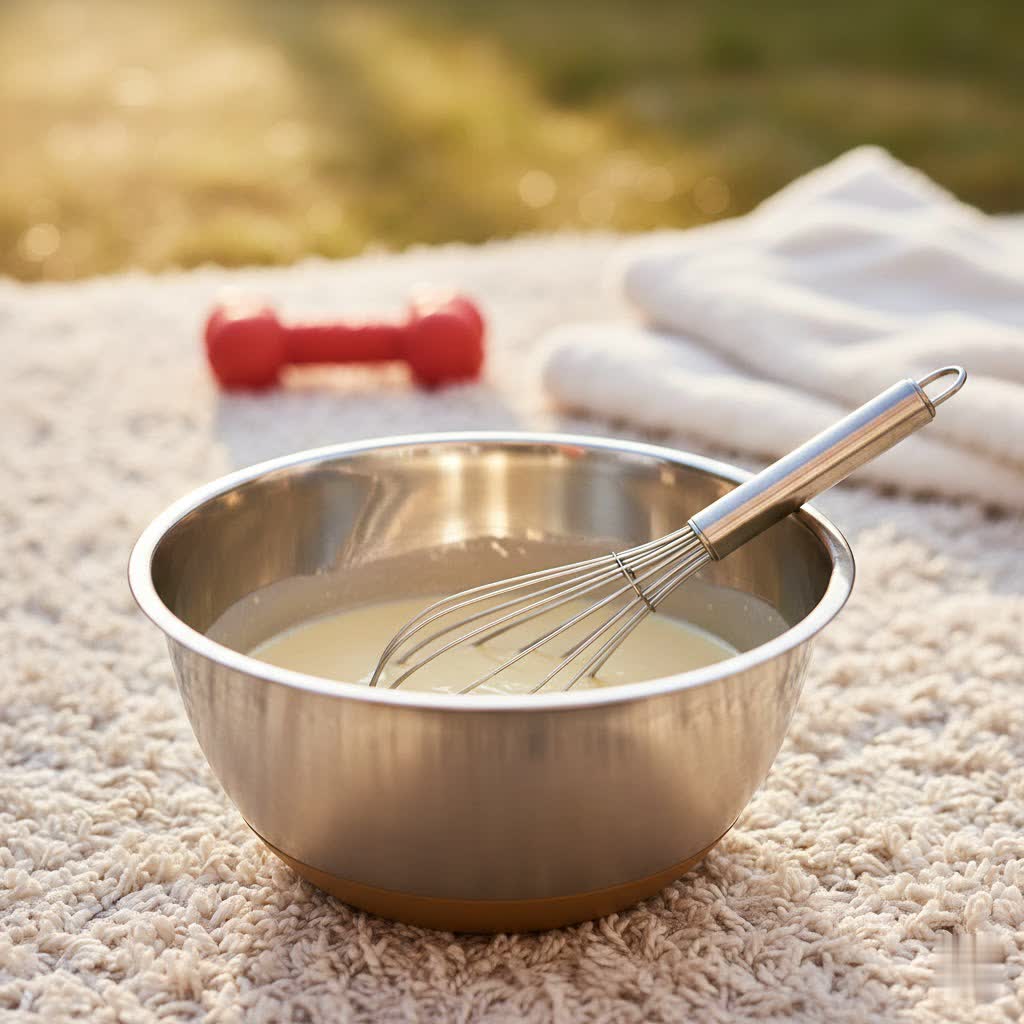
Stainless steel mixing bowls are a favorite among professional chefs and home cooks alike due to their exceptional durability and versatility. They are lightweight, resistant to rust and stains, and excellent at conducting temperature, making them ideal for tasks like creating a double boiler or rapidly chilling ingredients. Many sets are designed to nest, saving valuable cabinet space, and often include convenient features like non-slip silicone bases and internal measurement markings. However, they are not microwave-safe, and their smooth surface can sometimes make it challenging to achieve maximum volume when whipping egg whites, though specific techniques can mitigate this. They can also be noisy when mixing vigorously and might show fingerprints.
Glass Mixing Bowls
Glass mixing bowls offer an elegant aesthetic and practical transparency. Their clear nature allows you to monitor ingredients as you mix, ensuring everything is thoroughly combined. Made from tempered glass, they are generally non-reactive, microwave-safe, oven-safe, and freezer-safe, offering incredible versatility from prep to serving. However, glass bowls are heavier than stainless steel or plastic, making them harder to carry when full, and they are susceptible to breaking if dropped on a hard surface.
Plastic Mixing Bowls
Plastic mixing bowls are often the most budget-friendly and lightweight option, making them a popular choice for everyday use, especially in households with children. They won’t shatter if dropped, and many high-quality sets are dishwasher and microwave-safe, providing great convenience. Modern plastic bowls frequently incorporate features like non-slip bases and pour spouts. The main drawbacks include their potential to absorb odors and stains over time, and some users express concerns about microplastic leaching, especially with lower-quality plastics. Look for BPA-free plastics for added peace of mind.
Ceramic Mixing Bowls
Ceramic mixing bowls are renowned for their visual appeal, often doubling as attractive serving pieces. They excel at retaining temperature, which is beneficial for keeping doughs cool or warm as needed. However, ceramic bowls are typically heavy and bulky, making them less practical for frequent heavy-duty mixing or pouring. They are also fragile and prone to chipping or cracking if mishandled, and often come with a higher price tag.
By Size
|
Our Picks for the Best Mixing Bowl in 2026
As an Amazon Associate I earn from qualifying purchases.
|
||
| Num | Product | Action |
|---|---|---|
| 1 | WHYSKO Meal Prep Stainless Steel Mixing Bowls Set, Home, Refrigerator, and Kitchen Food Storage Organizers - Ecofriendly, Reusable, Heavy Duty (Gray) |

|
| 2 | Winco , 8-Quart, Stainless Steel (MXB-800Q) |
|
| 3 | WHYSKO Meal Prep Stainless Steel Mixing Bowls Set, Home, Refrigerator, and Kitchen Food Storage Organizers - Ecofriendly, Reusable, Heavy Duty (Blue) |
|
| 4 | WHYSKO Meal Prep Stainless Steel Mixing Bowls Set, Home, Refrigerator, and Kitchen Food Storage Organizers - Ecofriendly, Reusable, Heavy Duty (Light Blue) |
|
| 5 | WHYSKO Meal Prep Stainless Steel Mixing Bowl (5-Piece Set) Home, Refrigerator, and Kitchen Food Storage Organizers - Ecofriendly, Heavy Duty, No Lids |
|
| 6 | WHYSKO Meal Prep Stainless Steel Mixing Bowls Set, Home, Refrigerator, and Kitchen Food Storage Organizers - Ecofriendly, Reusable, Heavy Duty (Black) |
|
| 7 | Priority Chef Premium Mixing Bowls With Lids Set, Airtight Lids, Thicker Stainless Steel, Non-Slip Base, 5 Nesting Steel Bowls for Kitchen, Large Prep Metal Bowl Set 1.5/2/3/4/5 Qt, Black |
|
| 8 | Pyrex Essentials (3-Piece) Glass Mixing Bowls Set For Prepping, Baking and Cooking, Preheated Oven, Dishwasher, Freezer, and Microwave Safe |
|
| 9 | WHYSKO Meal Prep Stainless Steel Mixing Bowls Set, Home, Refrigerator, and Kitchen Food Storage Organizers - Ecofriendly, Reusable, Heavy Duty (Khaki) |
|
| 10 | Pyrex Sculpted (3-Pack) Glass Mixing Bowls Set With Lids For Prepping, Baking and Cooking, Preheated Oven, Dishwasher, Freezer, and Microwave Safe |
|
Mixing bowl sets typically include a range of sizes to accommodate various cooking tasks.
- Small (Under 1 Quart/Liter): Perfect for whisking a single egg, prepping small amounts of spices, or holding chopped herbs. They’re also great as individual snack bowls.
- Medium (1-3 Quarts/Liters): Ideal for mixing batters, tossing small salads, or marinating smaller portions of meat. These are often the most frequently used sizes for daily cooking.
- Large (Over 3 Quarts/Liters): Essential for baking large batches of cookies, preparing substantial salads for gatherings, proofing bread dough, or mixing ingredients for family-sized meals.
A well-rounded set will include a thoughtful assortment of these sizes, often nesting efficiently for compact storage.
By Features
Beyond material and size, several features enhance the functionality of a mixing bowl set with lids.
- Airtight Lids: The defining feature, airtight lids are crucial for preserving freshness, preventing spills, and enabling versatile food storage in the refrigerator or freezer. Look for lids that snap on securely yet are easy to remove.
- Non-Slip Bases: Often made of silicone, these bases provide stability, preventing the bowls from sliding around on your countertop during vigorous mixing.
- Measurement Markings: Internal etched or printed markings save time and reduce the need for separate measuring cups, making ingredient prep more efficient.
- Pour Spouts & Handles: Bowls with pour spouts allow for mess-free transfer of liquids, while sturdy handles offer a secure grip, especially when mixing or pouring heavy contents.
- Nesting Design: Most sets are designed to nest neatly within each other, significantly reducing the storage footprint in your cabinets.
- Grater Attachments: Some advanced sets include lids with integrated grater inserts, adding even more utility for food preparation.
Comparison Table: Mixing Bowl Materials at a Glance
| Feature | Stainless Steel | Glass | Plastic | Ceramic |
|---|---|---|---|---|
| Durability | Excellent (dent-resistant, non-breakable) | Good (tempered, but can break if dropped) | Good (unbreakable, but can scratch) | Moderate (prone to chipping/cracking) |
| Microwave Safe | No | Yes | Often (check manufacturer) | Often (check manufacturer) |
| Oven Safe | Yes (if no plastic/silicone parts, check temp limits) | Yes (tempered glass, check temp limits) | No | Yes (check temp limits) |
| Freezer Safe | Yes | Yes | Yes | Yes (check manufacturer) |
| Non-Reactive | Yes | Yes | Yes (if food-grade) | Yes |
| Price | Mid-range to High | Mid-range | Low to Mid-range | Mid-range to High |
| Transparency | No | Yes | Translucent/Opaque | Opaque |
| Weight | Lightweight | Heavy | Very Lightweight | Very Heavy |
| Special Note | Ideal for double boilers, whisking egg whites | Great for serving, monitoring ingredients | Safe for kids, portable, budget-friendly | Aesthetic appeal, retains heat/cold well |
How to Choose the Perfect Mixing Bowl Set with Lids (Buying Guide)
Selecting the right mixing bowl set can seem daunting with so many options available. Here’s a practical guide to help you make an informed decision:
1. Assess Your Culinary Needs
Consider your primary uses. Are you an avid baker who needs stability for vigorous mixing and temperature control for dough? Stainless steel might be your best bet. Do you frequently meal prep and store leftovers? Airtight lids are paramount. If you love serving dishes directly from your prep bowls, glass or ceramic could offer the aesthetic appeal you desire. Households with children might prioritize unbreakable plastic.
2. Prioritize Material Properties
Refer to the comparison table above. Think about what features are non-negotiable for you. Do you need microwave compatibility for reheating? Glass or certain plastics are suitable. Is durability against drops a major concern? Stainless steel or plastic will withstand more abuse. Do you want a non-reactive surface for acidic ingredients? All main materials are generally good, but stainless steel and glass are often preferred.
3. Determine the Right Size Range
Evaluate your cooking habits and household size. A set with bowls ranging from 1 to 5 quarts is usually sufficient for most home cooks. If you frequently entertain or bake large quantities, ensure the set includes at least one large bowl (5+ quarts). Nesting sets are excellent for maximizing storage in smaller kitchens.
4. Consider Essential Features
- Lids: Are they airtight? Easy to open and close? Will they hold up over time? Look for silicone or BPA-free plastic lids.
- Stability: Non-slip bases are a significant advantage, especially if you use a hand mixer or whisk vigorously.
- Ergonomics: Do the bowls have comfortable rims to grip? Are handles or pour spouts important for your tasks?
- Measurement Markings: These are a bonus for quick and accurate ingredient measuring.
5. Research Reputable Brands
Brands like Cuisinart, Pyrex, OXO, Joseph Joseph, and Viking consistently receive high ratings for their mixing bowl sets with lids. Reading reviews from other users can provide valuable insights into real-world performance and durability.
6. Inspect Quality Before Purchase
If buying in person, check for sturdy construction, smooth finishes, and well-fitting lids. For online purchases, read detailed product descriptions and customer feedback carefully to ensure the set meets your expectations for quality and functionality.
Top Mixing Bowl Sets with Lids for Your Kitchen
Based on expert reviews and user feedback, here are some highly-regarded mixing bowl sets that offer excellent value and performance:
1. Cuisinart Stainless Steel Mixing Bowls with Lids
The Cuisinart Stainless Steel Set is frequently cited as a top choice for its sleek design, durability, and secure, leak-proof lids. These sets typically include a convenient range of sizes (e.g., 1.5, 3, and 5 quarts), deep enough to contain splashes and stable during mixing. While they might lack silicone bottoms, their sturdy construction offers surprising stability. They are dishwasher safe for easy cleanup, though some users note they can show fingerprints.
2. Pyrex Sculpted Glass Mixing Bowls with Lids
For those who appreciate transparency and versatility, the Pyrex Sculpted Tinted Glass Mixing Bowls with Lids are an excellent option. These bowls are attractive enough to transition from kitchen to table and come with tight-fitting lids for easy storage. Being made of tempered glass, they are microwave, freezer, and dishwasher safe, offering broad utility. While heavier than stainless steel, their stability during mixing is a definite plus.
3. Wildone Stainless Steel Nesting Mixing Bowls with Lids
Often highlighted as a “Best Budget Set with Lids,” Wildone offers stainless steel mixing bowls that are durable, rust-resistant, and feature non-slip silicone bottoms for added stability. These sets are praised for their nesting design, saving space, and often include convenient features like grater attachments integrated into some lids, making them a multi-functional choice for meal prep and storage.
4. Joseph Joseph Nest Prep&Store Stainless Steel Mixing Bowl Set with Lids
Joseph Joseph is known for innovative kitchen solutions, and their Nest Prep&Store set is no exception. These stainless steel bowls are made from high-quality 18/8 stainless steel, resistant to staining and odors. They feature easy-find, snap-together lids and non-slip bases, all designed to nest compactly. This set is ideal for those seeking a premium, space-saving solution with a thoughtful design.
Caring for Your Mixing Bowl Set with Lids Correctly
Proper care and maintenance will extend the life and performance of your mixing bowl set.
General Cleaning Tips
Always clean your bowls promptly after use, especially after mixing acidic ingredients or those that can stain. Most modern mixing bowls are dishwasher-safe, but always check the manufacturer’s instructions. For hand-washing, use warm, soapy water and a non-abrasive sponge to avoid scratches.
Material-Specific Care
- Stainless Steel: To maintain their shine, hand-wash with mild soap and water. For stubborn stains, a paste of baking soda and water can be effective. Avoid abrasive scrubbers that can scratch the surface.
- Glass: While durable, avoid sudden extreme temperature changes (e.g., placing a hot bowl directly into cold water) unless explicitly stated as thermal shock resistant. Hand-wash to prevent potential etching in hard water dishwashers.
- Plastic: Wash thoroughly with warm, soapy water to prevent odor absorption. For persistent odors or stains, a baking soda paste or a soak in diluted vinegar can help. Always check if they are top-rack dishwasher safe.
- Ceramic: Hand-wash with care to prevent chipping. Avoid harsh scrubbing pads. These bowls are often best for gentle use and serving.
Lid Care
Lids, especially those made of plastic or silicone, can degrade over time with harsh dishwasher cycles. To ensure their longevity and airtight seal, hand-wash lids whenever possible. This helps preserve their flexibility and prevents warping, ensuring a tight fit for many years to come.
Storage Best Practices
Maximize cabinet space by utilizing the nesting design of most sets. Ensure bowls and lids are completely dry before stacking to prevent moisture buildup and potential odors or mildew. Stack lids neatly or use a lid organizer to keep them accessible and prevent them from getting lost.
Conclusion
A versatile mixing bowl set with lids is more than just a convenience; it’s a fundamental investment in a more efficient, enjoyable, and organized kitchen. By understanding the nuances of different materials, sizes, and features, you can confidently select a set that perfectly complements your culinary aspirations, whether you’re a passionate baker, a diligent meal prepper, or simply seeking to simplify everyday cooking. From the robust durability of stainless steel to the transparent elegance of glass and the practical ease of plastic, there’s a perfect set waiting to transform your kitchen tasks.
Ready to upgrade your cooking game and say goodbye to cluttered cabinets and messy spills? What culinary creation will you tackle first with your new, perfectly chosen mixing bowl set?
Frequently Asked Questions
Are mixing bowls with lids microwave safe?
Whether a mixing bowl set with lids is microwave safe depends entirely on the material. Glass bowls are generally microwave safe, as are many plastic bowls, but you should always check the manufacturer’s instructions. Stainless steel and ceramic bowls with metallic accents are typically not microwave safe due to the risk of sparking or damage.
Can I put hot food in plastic mixing bowls with lids?
While some high-quality, BPA-free plastic bowls can handle warm food, it’s generally best to avoid placing extremely hot food directly into plastic bowls, especially for prolonged storage. High temperatures can potentially cause plastic to warp or leach chemicals. Stainless steel or glass bowls are safer and more robust choices for hot foods.
How do I prevent my mixing bowls from slipping?
Many modern mixing bowl sets come with non-slip silicone bases designed to grip the countertop, preventing movement during mixing. If your bowls don’t have this feature, you can place a damp kitchen towel or a silicone mat underneath them to create friction and keep them stable while you work.
What’s the best material for whipping egg whites?
Stainless steel is often considered the best material for whipping egg whites because its smooth, non-porous surface allows for maximum aeration, helping to create stable, voluminous peaks. Copper bowls are also highly prized for this task as copper ions react with egg whites to stabilize the foam.
Why are nesting bowls important?
Nesting bowls are crucial for efficient kitchen organization, especially in smaller spaces. Their design allows them to fit perfectly inside one another, significantly reducing the amount of cabinet or drawer space required for storage. This makes a multi-sized set practical without overwhelming your kitchen.
Cooking gear we tested in our own kitchens
Free PDF — preheat times measured on 10 popular air fryers.
