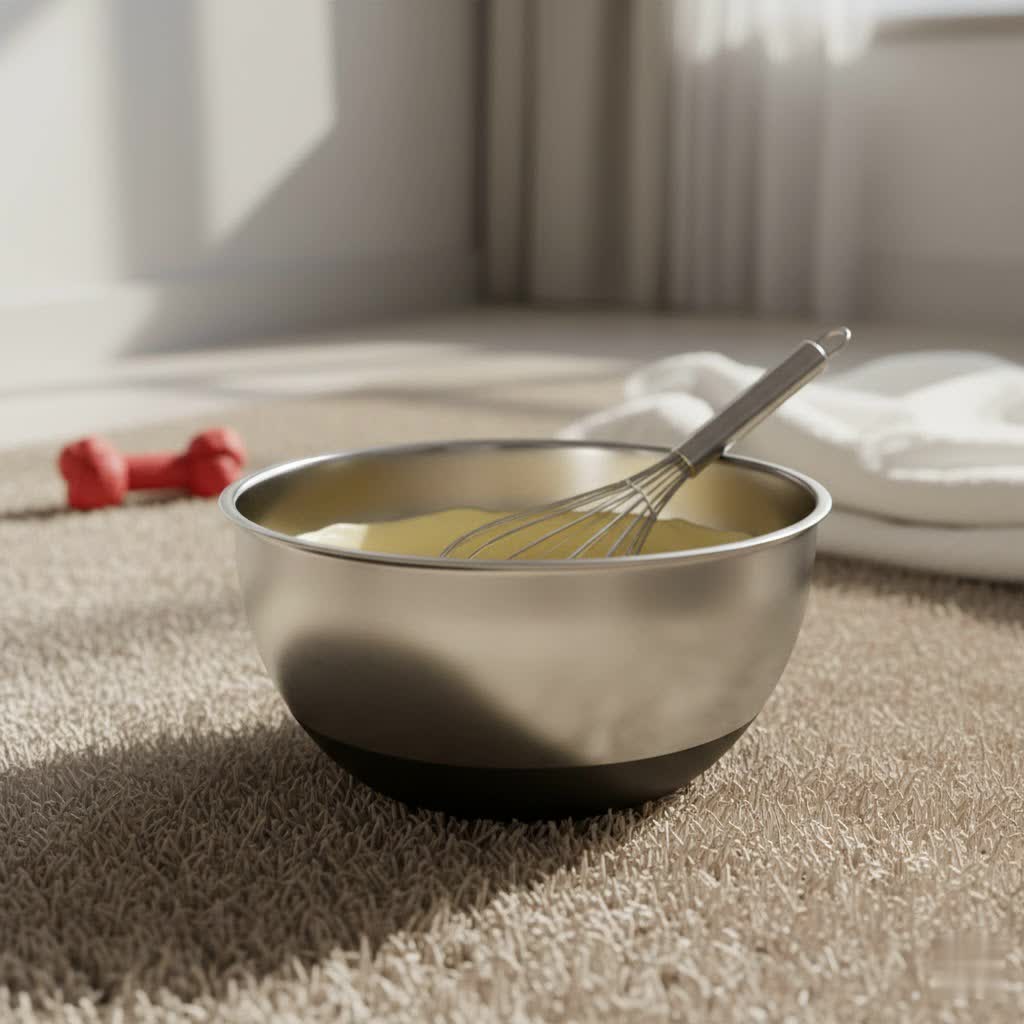
Every kitchen, from a bustling professional establishment to a cozy home, relies on a staple that often goes unnoticed yet is undeniably indispensable: the mixing bowl. While various materials vie for supremacy, the large plastic mixing bowl carves out a unique niche, offering a blend of practicality, durability, and affordability that makes it a favorite for many culinary tasks. If you’ve ever found yourself juggling ingredients or struggling with a bowl too small for your grand baking ambitions, this guide is for you. We’ll delve into everything you need to know to select the perfect large plastic mixing bowl that meets your specific needs and stands the test of time.
What is a Mixing Bowl?
At its core, a mixing bowl is a versatile kitchen vessel primarily designed for combining ingredients. From whisking eggs and stirring batters to tossing salads and marinating meats, its sloped sides and open top facilitate easy manipulation of contents. The history of mixing bowls is as old as cooking itself, evolving from simple carved wooden or earthenware vessels to the sophisticated, purpose-built tools we use today.
While the fundamental purpose remains unchanged, modern mixing bowls boast diverse materials, sizes, and features tailored for different culinary demands. For large-scale cooking or baking, a sizable bowl is not just a convenience but a necessity, allowing ample space to work without spills and ensuring all ingredients are thoroughly incorporated.
Why a Large Plastic Mixing Bowl?
A large plastic mixing bowl excels in situations demanding capacity without the heft or fragility of other materials. Think about preparing a big batch of cookie dough, a substantial salad for a family gathering, or a large quantity of bread dough that needs room to rise. Plastic offers distinct advantages for these tasks. Its lightweight nature makes handling and transporting large volumes of food considerably easier, reducing strain and the risk of accidents. Moreover, plastic bowls are generally impact-resistant, shrugging off accidental drops that would shatter glass or dent metal, making them a safer choice in busy environments or households with children.
Common applications for a large plastic mixing bowl extend beyond simple mixing. They are excellent for prepping a large array of ingredients before cooking, serving as a temporary “garbage bowl” for scraps, soaking vegetables, or even for holding large quantities of popcorn for movie night.
The Appeal of Plastic Mixing Bowls
Plastic mixing bowls have gained immense popularity for several compelling reasons, particularly when it comes to larger capacities.
Affordability and Accessibility
|
Our Picks for the Best Mixing Bowl in 2026
As an Amazon Associate I earn from qualifying purchases.
|
||
| Num | Product | Action |
|---|---|---|
| 1 | Priority Chef Premium Mixing Bowls With Lids Set, Airtight Lids, Thicker Stainless Steel, Non-Slip Base, 5 Nesting Steel Bowls for Kitchen, Large Prep Metal Bowl Set 1.5/2/3/4/5 Qt, Black |

|
| 2 | WHYSKO Meal Prep Stainless Steel Mixing Bowls Set, Home, Refrigerator, and Kitchen Food Storage Organizers - Ecofriendly, Reusable, Heavy Duty (Blue) |
|
| 3 | Winco , 8-Quart, Stainless Steel (MXB-800Q) |
|
| 4 | WHYSKO Meal Prep Stainless Steel Mixing Bowls Set, Home, Refrigerator, and Kitchen Food Storage Organizers - Ecofriendly, Reusable, Heavy Duty (Gray) |
|
| 5 | WHYSKO Meal Prep Stainless Steel Mixing Bowls Set, Home, Refrigerator, and Kitchen Food Storage Organizers - Ecofriendly, Reusable, Heavy Duty (Black) |
|
| 6 | Pyrex Sculpted (3-Pack) Glass Mixing Bowls Set With Lids For Prepping, Baking and Cooking, Preheated Oven, Dishwasher, Freezer, and Microwave Safe |
|
| 7 | WHYSKO Meal Prep Stainless Steel Mixing Bowls Set, Home, Refrigerator, and Kitchen Food Storage Organizers - Ecofriendly, Reusable, Heavy Duty (Light Blue) |
|
| 8 | Pyrex Essentials (3-Piece) Glass Mixing Bowls Set For Prepping, Baking and Cooking, Preheated Oven, Dishwasher, Freezer, and Microwave Safe |
|
| 9 | WHYSKO Meal Prep Stainless Steel Mixing Bowl (5-Piece Set) Home, Refrigerator, and Kitchen Food Storage Organizers - Ecofriendly, Heavy Duty, No Lids |
|
| 10 | WHYSKO Meal Prep Stainless Steel Mixing Bowls Set, Home, Refrigerator, and Kitchen Food Storage Organizers - Ecofriendly, Reusable, Heavy Duty (Khaki) |
|
One of the most significant advantages of plastic mixing bowls is their cost-effectiveness. They are typically the most budget-friendly option on the market, making them an excellent choice for home cooks, students, or anyone looking to equip their kitchen without a hefty investment. This affordability also means you can easily acquire a set of various sizes, ensuring you always have the right bowl for the job.
Lightweight and Portability
Imagine carrying a heavy glass bowl filled with several pounds of mashed potatoes to a potluck. Plastic eliminates this struggle. Even at substantial sizes, plastic bowls remain remarkably lightweight, making them easy to lift, maneuver, and transport. This portability makes them ideal for outdoor gatherings, picnics, or when you need to move ingredients from one workstation to another effortlessly.
Durability and Safety
High-quality plastic mixing bowls are surprisingly robust. Unlike glass or ceramic, they are resistant to breaking, chipping, or cracking if accidentally dropped. This shatterproof quality contributes significantly to kitchen safety, reducing the risk of injuries from broken shards. Many modern plastic bowls are also designed to withstand daily wear and tear, promising long-term utility.
Non-Reactive Nature
Plastic is a non-reactive material, meaning it will not interact chemically with acidic ingredients such as lemon juice, vinegar, or tomato products. This ensures that your food’s flavor, color, and texture remain untainted, a crucial factor when preparing delicate sauces or marinades.
Convenient Features
Many large plastic mixing bowls come equipped with thoughtful design features that enhance usability. These often include:
- Easy-grip rims: Providing a secure hold, especially when mixing vigorously or pouring.
- Non-slip bases: Rubberized or silicone bottoms prevent the bowl from sliding around on your countertop during use, adding stability and safety.
- Pour spouts: Designed to direct liquid batters or sauces precisely, minimizing spills.
- Tight-fitting lids: Transform the mixing bowl into a convenient storage container for leftovers or prepped ingredients, allowing for easy refrigeration and transport.
- Measurement markings: Internal measurements can eliminate the need for extra measuring cups, streamlining your cooking process.
- Stackability: Many sets are designed to nest perfectly within each other, saving valuable cabinet space.
Understanding the Limitations
While large plastic mixing bowls offer numerous benefits, it’s also important to acknowledge their potential drawbacks. Awareness of these limitations will help you make an informed decision and care for your bowls properly.
Staining and Odor Absorption
One of the most common complaints about plastic is its tendency to absorb odors and stains. Foods with strong colors, like tomato sauce or turmeric, can leave unsightly marks, while potent aromas from garlic or onions can linger long after washing. This is due to the slightly porous nature of plastic surfaces, which can trap pigments and scent molecules. High-quality, denser plastics are less prone to this, but it remains a consideration.
Heat Sensitivity
Plastic is generally not designed for high-heat applications. Unlike stainless steel, plastic bowls cannot be used as part of a double boiler setup for melting chocolate, nor are they typically safe for oven use. Exposure to very hot water, such as in dishwashers (especially the bottom rack), can sometimes cause thinner plastics to warp or degrade over time. Always check manufacturer instructions regarding microwave safety, as not all plastic bowls are made for it.
Surface Scratching and Wear
While durable against drops, plastic surfaces can be more susceptible to scratches from metal utensils, electric beaters, or abrasive scrubbers. These scratches not only affect the aesthetic of the bowl but can also create tiny crevices where food particles and odors can hide, making thorough cleaning more challenging. Over extended use, plastic may also show signs of wear, such as a duller finish or a slightly “greasy” feel even after washing.
Plastic Mixing Bowls vs. Other Materials
To truly appreciate the value of a large plastic mixing bowl, it’s helpful to compare it with its counterparts made from other popular materials.
| Feature | Plastic Mixing Bowls | Stainless Steel Mixing Bowls | Glass Mixing Bowls | Ceramic/Stoneware Mixing Bowls |
|---|---|---|---|---|
| Pros | – Affordable, Lightweight, Portable | – Highly Durable, Non-reactive, Heat-conductive | – Non-reactive, Microwave/Oven-safe, Transparent | – Aesthetic, Oven-safe, Heat retention |
| – Shatter-proof, Often has non-slip bases, spouts | – Easy to clean, Professional look | – Good for serving/storage (with lids) | – Great for doughs, heavy/stable | |
| Cons | – Can stain/absorb odors, Heat-sensitive (can warp) | – Can show fingerprints, Not microwave-safe | – Heavy, Fragile (can shatter/chip), Slippery for whisking | – Very heavy, Fragile (can break), Bulky, Difficult to pour |
| – Prone to scratching, Quality varies | – Can be expensive | – Can be sensitive to temperature changes | – Not ideal for whisking | |
| Best For | – Everyday mixing, large salads, outdoor use, children-safe | – Heavy-duty mixing, double boilers, professional use | – Microwaving, food storage, presentation, measuring | – Bread dough, warming food, decorative serving |
Choosing Your Ideal Large Plastic Mixing Bowl
Selecting the right large plastic mixing bowl involves a few key considerations to ensure it perfectly fits your culinary needs.
Assess Your Needs
Begin by thinking about how you’ll primarily use the bowl. Do you frequently bake large batches of cookies or bread? Do you make big salads for family meals or entertaining? A bowl with a capacity of 5 quarts or more is generally considered large and suitable for these tasks. If you’re often cooking for a crowd, a 6-quart or even 8-quart bowl might be more appropriate.
Material Quality and Safety
Not all plastics are created equal. Look for bowls made from high-quality, food-grade plastic that is clearly labeled “BPA-free.” This ensures that no harmful chemicals leach into your food. Thicker, sturdier plastic will be more durable and less prone to staining, odor absorption, and warping than thinner, flimsier alternatives.
Size Considerations
While “large” is subjective, for mixing bowls, it typically means capacities ranging from 5 quarts up to 10 quarts or more. Consider sets that offer a range of sizes, with a prominent large bowl, as this provides maximum versatility. A comprehensive set often proves more economical and space-efficient as the bowls usually nest together.
Essential Features
- Non-slip Base: This is a crucial feature for a large bowl, preventing it from sliding around while you mix vigorously.
- Pour Spouts: Extremely helpful for transferring batters or liquids cleanly.
- Handles: Ergonomic handles or easy-grip rims provide better control and comfort, especially when lifting a full, heavy bowl.
- Lids: If you plan to use your large mixing bowl for storing leftovers or transporting food, a tight-fitting lid is invaluable.
- Measurement Markings: Internal markings can simplify recipes and reduce the number of tools you need.
Reputable Brands
While specific product recommendations can change, brands like OXO Good Grips are consistently praised for their well-designed, functional plastic mixing bowls, often featuring non-slip bottoms and comfortable handles. Reading recent reviews can also offer insights into current top-performers.
Top Recommendations for Large Plastic Mixing Bowls
When looking for a top-tier large plastic mixing bowl, prioritize models that combine durability, functionality, and user-friendly features. Many highly-rated options will offer a robust, BPA-free plastic construction that resists everyday wear and tear. Look for bowls with integrated non-slip rubber bases, which provide stability during vigorous mixing, preventing slips and spills. Pour spouts are another highly valued feature, allowing for clean, controlled transfer of batters and liquids. Many popular large plastic bowls also come with comfortable, wide rims or handles for easy gripping and lifting, even when full. Often available in sets, these bowls are designed to nest neatly for compact storage, making them a practical choice for any kitchen.
Care and Maintenance for Longevity
Proper care is essential to maximize the lifespan and maintain the pristine condition of your large plastic mixing bowls.
Immediate Rinsing
The golden rule for plastic is to rinse it immediately after use. This prevents food residue, especially highly pigmented sauces or strong-smelling ingredients, from drying on and setting into stains or odors.
Washing Guidelines
Wash your plastic mixing bowls with warm, soapy water and a soft sponge or cloth. Avoid using excessively hot water, as it can cause some types of plastic to warp over time, especially thinner bowls. Steer clear of abrasive scrubbers, steel wool, or harsh chemical cleaners, as these can scratch the surface, making it more susceptible to future staining and odor retention.
Tackling Stains and Odors
If your plastic bowl does develop a stain, try these methods:
- Baking Soda Paste: Mix baking soda with a small amount of water to form a paste. Apply it to the stain, let it sit for a few hours or overnight, then scrub gently and rinse.
- Sunlight: The sun’s UV rays can naturally bleach out some stains. Place the stained bowl in direct sunlight for a few hours.
- Mild Bleach Solution: For very stubborn stains, a diluted bleach solution (e.g., two teaspoons of bleach per gallon of water) can be used for a short soak. Always rinse thoroughly multiple times afterward.
For lingering odors, soaking the bowl overnight in a mixture of baking soda and water or a solution of undiluted white vinegar can be effective.
Dishwasher Use
While many modern plastic mixing bowls are labeled “dishwasher-safe,” it’s generally best to place them on the top rack. The heating element on the bottom rack can reach temperatures high enough to melt or warp plastic. Always consult the manufacturer’s care instructions for specific guidance.
Storage Tips
Store your plastic mixing bowls by nesting them together to save space. Ensure they are completely dry before stacking to prevent moisture buildup and potential odors.
Conclusion
A large plastic mixing bowl is a humble yet mighty workhorse in any kitchen. Its combination of affordability, lightweight design, durability against drops, and practical features makes it an indispensable tool for everything from preparing grand feasts to everyday meal prep. While it has some limitations concerning heat and staining, understanding these nuances and applying proper care will ensure your plastic mixing bowl remains a reliable companion for years to come. By considering your needs, prioritizing quality, and choosing smart features, you can confidently select a large plastic mixing bowl that simplifies your culinary adventures.
What will be the next big recipe you tackle with your perfect large plastic mixing bowl?
Frequently Asked Questions
Are large plastic mixing bowls safe for food?
Yes, most large plastic mixing bowls sold today are made from food-grade, BPA-free plastic, making them safe for food preparation and storage. Always check for labels indicating “food-safe” and “BPA-free” to ensure safety.
Can plastic mixing bowls go in the microwave?
Some plastic mixing bowls are microwave-safe, but not all. Always refer to the manufacturer’s instructions or look for a microwave-safe symbol (usually a microwave with wavy lines) on the bottom of the bowl before placing it in the microwave to avoid warping or chemical leaching.
How do you remove stains from plastic mixing bowls?
To remove stains, try making a paste of baking soda and water, applying it to the stain, letting it sit for several hours or overnight, then scrubbing and rinsing. Sunlight can also help bleach out stains, or for tough cases, a diluted bleach solution followed by thorough rinsing.
What size is considered a large mixing bowl?
Generally, a mixing bowl with a capacity of 5 quarts (approximately 4.7 liters) or more is considered large. Sizes can range up to 8 quarts, 10 quarts, or even larger, suitable for substantial cooking or baking projects and serving big groups.
Why do some chefs avoid plastic mixing bowls?
Some professional chefs may avoid plastic mixing bowls due to concerns about them absorbing odors and stains, their inability to withstand high heat (like for double boilers), and the potential for micro-scratches that can harbor bacteria over time. They often prefer stainless steel or glass for their non-porous surfaces and versatility.
Cooking gear we tested in our own kitchens
Free PDF — preheat times measured on 10 popular air fryers.
