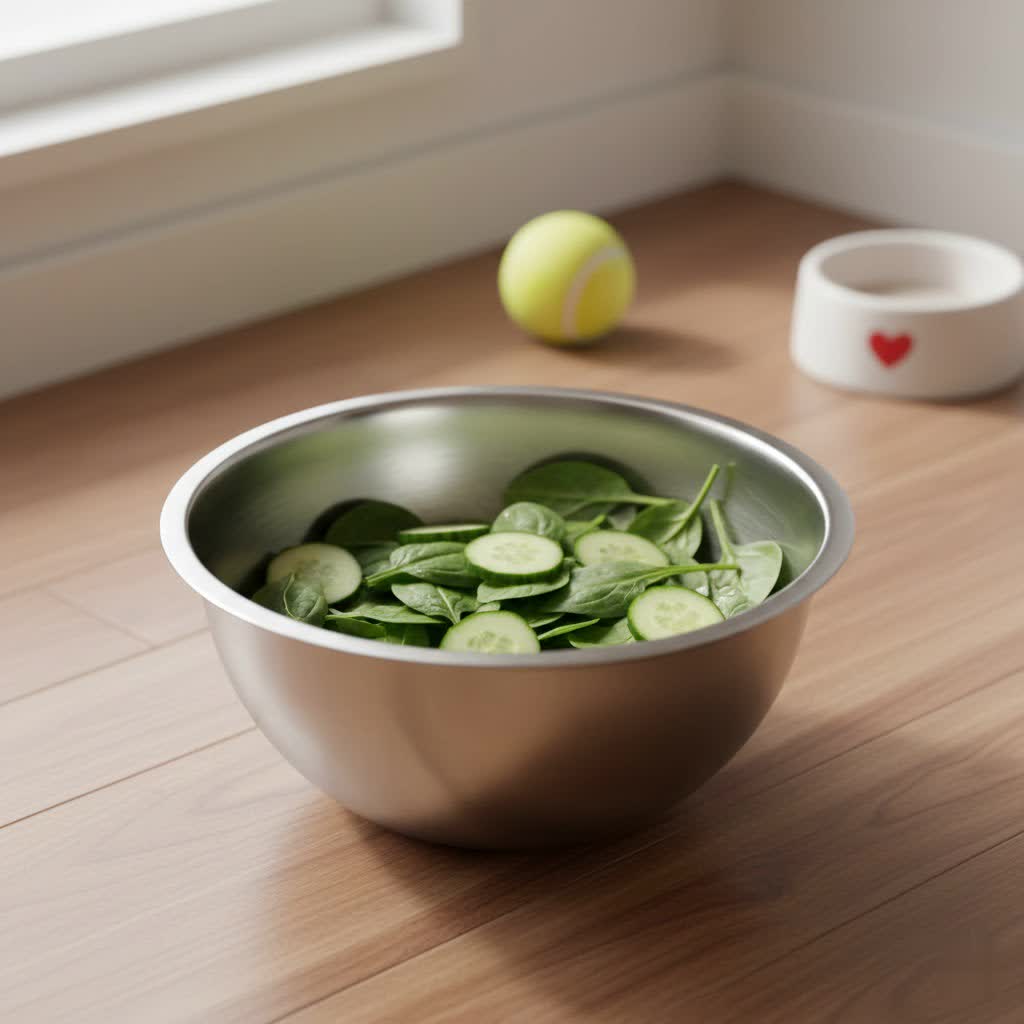
In every kitchen, certain tools are indispensable, and among them, the humble mixing bowl stands out as a true workhorse. From whipping up delicate meringues to tossing a hearty salad for a crowd, its versatility is unmatched. But when it comes to efficiency and convenience, a large mixing bowl equipped with a lid elevates your culinary game, transforming a simple prep tool into a multi-functional kitchen essential for everything from mixing to storage. This guide will examine the world of these essential kitchen items, helping you understand their types, features, and how to choose the perfect one for your home.
What is a Mixing Bowl?
A mixing bowl is a fundamental kitchen utensil, typically a deep, round vessel used for preparing and combining ingredients. Its primary function is to provide a contained space for whisking, stirring, kneading, and tossing various food items without spills. Beyond simple mixing, these bowls serve numerous purposes in the kitchen, including marinating meats, proofing dough, holding chopped ingredients during meal prep, or even doubling as attractive serving dishes. For expert kitchenware reviews on this site.
The concept of a mixing vessel dates back centuries, evolving from basic earthenware and wooden containers to the diverse range of materials and designs we see today. The addition of a lid, especially on larger bowls, represents a significant advancement, transforming them from mere prep tools into highly versatile storage solutions. A large mixing bowl, generally defined as having a capacity of 3 liters (approximately 3.2 quarts) or more, is particularly beneficial for big batch cooking, entertaining, and families, providing ample space for substantial quantities of ingredients without overflow.
Popular Types of Mixing Bowls
Mixing bowls come in various materials, each offering distinct advantages and disadvantages. Understanding these differences is key to choosing the right bowl for your culinary needs.
Classification by Material
-
Stainless Steel Mixing Bowls:
- Advantages: Extremely durable, lightweight, non-reactive to acidic ingredients, resistant to dents and rust, often dishwasher safe, and can be used over simmering water for a double boiler. They are excellent for vigorous mixing.
- Disadvantages: Can sometimes show fingerprints or minor scratches, and not suitable for microwave use. Some users dislike silicone bases for preventing the bowl from spinning during mixing.
- Applications: General mixing, baking, meal prep, double boiler setups.
-
Glass Mixing Bowls:
- Advantages: Non-reactive, transparent (allowing visual monitoring of mixing), aesthetically pleasing for serving, and often microwave and oven safe (check manufacturer specifications). They don’t absorb odors or stains.
- Disadvantages: Heavier and more fragile than stainless steel, prone to chipping or breaking if dropped, and can be cumbersome in larger sizes.
- Applications: Baking (especially when precise visual cues are needed), serving, marinating, microwave cooking, and storage.
-
Plastic Mixing Bowls:
- Advantages: Lightweight, inexpensive, often colorful, and shatter-resistant, making them ideal for casual use or for children.
- Disadvantages: Can absorb odors and stains over time, less durable than other materials, may not be heat-resistant, and can scratch easily, potentially harboring bacteria.
- Applications: Light mixing tasks, preparing ingredients, kids’ cooking projects, and temporary storage.
-
Ceramic Mixing Bowls:
- Advantages: Beautiful and decorative, making them perfect for serving, excellent heat retention, and good for proofing dough. They are also non-reactive.
- Disadvantages: Very heavy, fragile, and not ideal for vigorous mixing due to their weight and potential to chip. They can also be expensive.
- Applications: Marinating, serving salads, proofing bread dough, and as decorative kitchen accents.
-
Overall Material Comparison: Stainless steel offers the best all-around versatility and durability for active mixing. Glass provides visibility and aesthetic appeal, suitable for both prep and presentation. Plastic is a budget-friendly, lightweight option for lighter tasks, while ceramic excels in presentation and heat retention.
Classification by Size
|
Our Picks for the Best Mixing Bowl in 2026
As an Amazon Associate I earn from qualifying purchases.
|
||
| Num | Product | Action |
|---|---|---|
| 1 | Pyrex Essentials (3-Piece) Glass Mixing Bowls Set For Prepping, Baking and Cooking, Preheated Oven, Dishwasher, Freezer, and Microwave Safe |

|
| 2 | Priority Chef Premium Mixing Bowls With Lids Set, Airtight Lids, Thicker Stainless Steel, Non-Slip Base, 5 Nesting Steel Bowls for Kitchen, Large Prep Metal Bowl Set 1.5/2/3/4/5 Qt, Black |
|
| 3 | Pyrex Sculpted (3-Pack) Glass Mixing Bowls Set With Lids For Prepping, Baking and Cooking, Preheated Oven, Dishwasher, Freezer, and Microwave Safe |
|
| 4 | WHYSKO Meal Prep Stainless Steel Mixing Bowls Set, Home, Refrigerator, and Kitchen Food Storage Organizers - Ecofriendly, Reusable, Heavy Duty (Light Blue) |
|
| 5 | WHYSKO Meal Prep Stainless Steel Mixing Bowls Set, Home, Refrigerator, and Kitchen Food Storage Organizers - Ecofriendly, Reusable, Heavy Duty (Gray) |
|
| 6 | WHYSKO Meal Prep Stainless Steel Mixing Bowls Set, Home, Refrigerator, and Kitchen Food Storage Organizers - Ecofriendly, Reusable, Heavy Duty (Khaki) |
|
| 7 | WHYSKO Meal Prep Stainless Steel Mixing Bowls Set, Home, Refrigerator, and Kitchen Food Storage Organizers - Ecofriendly, Reusable, Heavy Duty (Blue) |
|
| 8 | WHYSKO Meal Prep Stainless Steel Mixing Bowls Set, Home, Refrigerator, and Kitchen Food Storage Organizers - Ecofriendly, Reusable, Heavy Duty (Black) |
|
| 9 | WHYSKO Meal Prep Stainless Steel Mixing Bowl (5-Piece Set) Home, Refrigerator, and Kitchen Food Storage Organizers - Ecofriendly, Heavy Duty, No Lids |
|
| 10 | Winco , 8-Quart, Stainless Steel (MXB-800Q) |
|
For “large mixing bowls,” we typically look at capacities from 3 liters (approximately 3.2 quarts) upwards, with many popular models reaching 5, 8, or even 10 liters.
- Large (3-5+ Liters):
- Advantages: Essential for preparing big batches of cookie dough, mixing large salads, proofing bread dough, marinating whole chickens, or preparing food for gatherings. They provide ample room to prevent spills during aggressive mixing.
- Applications: Baking for crowds, large meal prep, entertaining, food storage for big families.
Classification by Features
Modern mixing bowls often come with thoughtful features that enhance usability.
- Mixing Bowls with Lids: The “lid” is crucial for large bowls.
- Advantages: Lids allow for convenient storage of prepped ingredients or leftovers, help prevent splatters during mixing, and are essential for proofing dough. Tight-fitting lids are vital for maintaining freshness and preventing leaks. Some lids are flat, aiding in stacking, while others might be domed.
- Applications: Storing leftovers, proofing dough, transporting food, keeping ingredients fresh.
- Mixing Bowls with Non-Slip Bases:
- Advantages: A silicone or rubberized bottom keeps the bowl stable on the countertop, preventing it from sliding or wobbling during mixing.
- Disadvantages: Some users find that the non-slip feature prevents them from easily spinning the bowl while mixing, which can be a preferred technique. They also might not be suitable for double boiler applications.
- Applications: High-energy mixing, baking, any task requiring maximum stability.
- Mixing Bowls with Handles:
- Advantages: Ergonomic handles provide a secure grip, making it easier to hold the bowl steady while mixing or to pour contents accurately.
- Applications: Whisking, pouring batters, lifting heavy contents.
- Mixing Bowls with Pour Spouts:
- Advantages: A molded spout on the rim allows for controlled, drip-free pouring of liquids or batters.
- Applications: Transferring batters, sauces, or dressings.
Comparison Table: Mixing Bowls
| Feature/Material | Stainless Steel | Glass | Plastic | Ceramic |
|---|---|---|---|---|
| Durability | Excellent (dent/rust resistant) | Good (can chip/break) | Fair (scratches easily) | Good (can chip/break) |
| Weight | Lightweight | Heavy | Very Lightweight | Very Heavy |
| Heat Resistance | High (stove-top safe for double boiler) | High (oven/microwave safe) | Low (melts/warps) | High (oven safe, good heat retention) |
| Aesthetics | Modern, utilitarian | Elegant, transparent | Casual, colorful | Artistic, rustic |
| Best Use | All-purpose mixing, baking, double boiler | Baking, serving, microwave, storage | Light mixing, kids’ use, temporary storage | Marinating, serving, proofing dough |
| Lid Quality | Varies, often tight-fitting silicone/plastic | Varies, can be very tight | Varies, often basic snap-on | Less common, usually for storage sets |
| Price Range | Mid-High | Mid | Low | High |
Guide to Choosing a Large Mixing Bowl with Lid
Selecting the right large mixing bowl with a lid involves considering several factors to ensure it meets your specific kitchen demands.
-
Determine Your Primary Needs:
- Baking Enthusiast? You’ll need capacity for dough, batters, and ingredients. Stainless steel or glass are excellent choices.
- Meal Prepper? Large bowls with tight lids are ideal for storing chopped veggies, marinated meats, or large salads.
- Frequent Entertainer? Bowls that are both functional for mixing and attractive for serving are a plus, such as glass or ceramic.
- Family Cooking? Durability and easy cleaning are paramount.
-
Select the Right Material:
- For durability and active mixing: Stainless steel is hard to beat. Its lightweight nature and non-reactive surface make it a favorite for many professional and home cooks.
- For visibility and serving: Glass bowls offer the advantage of seeing your ingredients as you mix and look great on the dinner table.
- For specific tasks like proofing: Ceramic can provide consistent warmth, while stainless steel is versatile for various temperature applications.
-
Consider Size and Shape:
- Capacity: For “large,” aim for at least 4-5 quarts (3.8-4.7 liters) or more. Consider your largest typical cooking tasks, like making a double batch of cookies or a family-sized salad.
- Depth vs. Width: Deeper bowls are better for whisking and preventing splatters, while wider, shallower bowls are great for tossing salads or coating ingredients.
- Nesting: Sets that nest neatly within each other save valuable cabinet space, a significant advantage for larger bowls.
-
Evaluate Essential Features (Especially the Lid!):
- Lid Quality: This is critical. Look for lids that form a tight, secure seal to prevent leaks and keep food fresh. Silicone or BPA-free plastic lids are common. Consider if you prefer flat lids for easy stacking in the fridge or domed lids for extra internal space.
- Non-Slip Base: If stability is your priority, a non-slip silicone base is beneficial. However, if you prefer to rotate the bowl while mixing, you might opt for a standard flat bottom.
- Handles and Pour Spouts: These features add convenience, especially for heavy bowls or when transferring liquids.
-
Research Reputable Brands:
- Brands like Cuisinart, Pyrex, Viking, All-Clad, and Vollrath are frequently cited for their quality mixing bowls. Reading reviews can provide real-world insights into product performance.
-
Inspect Before You Buy:
- Check the material for any imperfections, ensure the lid fits snugly and securely, and test the stability of the base. For stainless steel, assess its gauge – thicker steel generally means better durability.
Top 5 Recommended Large Mixing Bowls with Lids
Based on expert reviews and user feedback, these types of large mixing bowls with lids consistently receive high marks for their quality and utility.
- Cuisinart Stainless Steel Mixing Bowl Set with Lids:
- Known for their sturdy construction and leak-proof lids, Cuisinart sets are often praised for their durability and overall quality. The bowls are designed to be stable during mixing, and their lids provide an airtight seal for storage. They are a reliable choice for any kitchen.
- Pyrex Sculpted Glass Mixing Bowls with Lids:
- Pyrex is a household name for glass bakeware, and their sculpted glass mixing bowls with lids combine functionality with aesthetic appeal. These bowls are great for prepping, serving, and storing, and their glass construction allows for use in the microwave. The lids are generally tight-fitting, though some users note the glass can feel thinner than older Pyrex models.
- Viking 10-Piece Stainless Steel Bowl Set (often includes large sizes with lids):
- Viking sets are lauded for their exceptional durability and thoughtful design, often featuring skid-proof bottoms and helper handles. While usually a set, the large bowls within these sets provide ample capacity for significant tasks and come with secure lids for storage. They are considered a premium, all-around performer.
- OXO Good Grips Stainless Steel Mixing Bowls with Lids:
- OXO is known for user-friendly designs. Their stainless steel mixing bowls often include comfortable, non-slip handles and bases, alongside tight-fitting lids. These features make them easy to handle, stable during use, and practical for storage, especially for larger batches.
- Cook With Color Mixing Bowls with TPR Lids (often in large sizes):
- For those seeking a blend of style and function at a more accessible price point, Cook With Color offers vibrant plastic mixing bowls that often come in large sizes with TPR (Thermoplastic Rubber) lids. While plastic, they are appreciated for their colorful aesthetic and practical lids for everyday use and storage.
Cleaning and Storing Your Mixing Bowls Properly
Proper care and storage will significantly extend the life of your mixing bowls.
- General Cleaning: Most modern mixing bowls (stainless steel, glass, and many plastics) are dishwasher safe. However, checking manufacturer instructions is always recommended. For lids, handwashing might be preferred to maintain their seal integrity, as high dishwasher heat can sometimes warp plastic or silicone.
- Stainless Steel: To avoid minor surface scratches from whisks, use silicone-coated whisks or be gentle. While dishwasher safe, hand drying immediately after washing can prevent water spots and maintain a shiny finish. Avoid abrasive scrubbers that could dull the surface.
- Glass: Glass bowls are generally dishwasher safe. Handle them with care to prevent chipping or breaking. Avoid sudden temperature changes (thermal shock) that can cause glass to crack, such as placing a hot bowl directly into cold water.
- Plastic: Wash plastic bowls promptly to prevent staining from colorful foods (like tomato sauce) or absorption of strong odors. Avoid harsh abrasives. Handwashing is often best for plastic lids to preserve their shape and sealing ability. Avoid placing plastic bowls in the microwave unless explicitly stated as microwave-safe.
- Ceramic: Handwash gently with mild soap and a soft sponge to protect the glaze. Ceramic can be prone to chipping if knocked against hard surfaces. Avoid extreme temperature changes.
- Storage: To maximize space, store nesting bowl sets together. Keep lids organized, either stacked on top of their respective bowls or in a designated lid organizer to prevent them from getting lost or damaged. Ensure bowls are completely dry before stacking to prevent moisture buildup and potential odors.
“A well-chosen large mixing bowl with a reliable lid is more than just a convenience; it’s a shows efficient kitchen design, allowing seamless transitions from prep to storage.”
Conclusion
The large mixing bowl with a lid is an unsung hero of the modern kitchen, blending the utility of a prep tool with the practicality of a storage container. From the robust durability of stainless steel to the elegant transparency of glass, the ideal choice hinges on your specific culinary habits and preferences. By considering material, size, and crucial features like lid quality, you can select a bowl that not only meets your current needs but also enhances your cooking experience for years to come. Investing in a high-quality set ensures you’re always prepared, whether you’re whipping up a storm or simply storing leftovers. What delicious creation will your new large mixing bowl help you master first?
Frequently Asked Questions
What capacity defines a “large” mixing bowl?
Generally, a “large” mixing bowl is considered to have a capacity of 3 liters (approximately 3.2 quarts) or more. This size range is ideal for preparing substantial recipes, tossing large salads, or handling big batches of dough or batter, providing ample space to mix without spills.
Why is a lid so important for a large mixing bowl?
A lid significantly enhances the functionality of a large mixing bowl by allowing for airtight storage of ingredients, leftovers, or dough during proofing. It prevents splatters during mixing and keeps food fresh, making the bowl versatile for both preparation and storage, and even for transporting food.
Are non-slip bases always a good feature on mixing bowls?
While non-slip bases offer excellent stability, preventing bowls from sliding during vigorous mixing, some cooks prefer bowls without them so they can easily spin the bowl on the counter. Non-slip bases might not be suitable for bowls intended for use as part of a double boiler setup.
Can I use my large mixing bowl for serving?
Absolutely! Especially glass and ceramic mixing bowls are often designed with aesthetics in mind, making them perfectly suitable for serving salads, pasta, or other dishes directly from the kitchen to the dining table. Stainless steel bowls can also offer a sleek, modern look for casual serving.
Cooking gear we tested in our own kitchens
Free PDF — preheat times measured on 10 popular air fryers.
