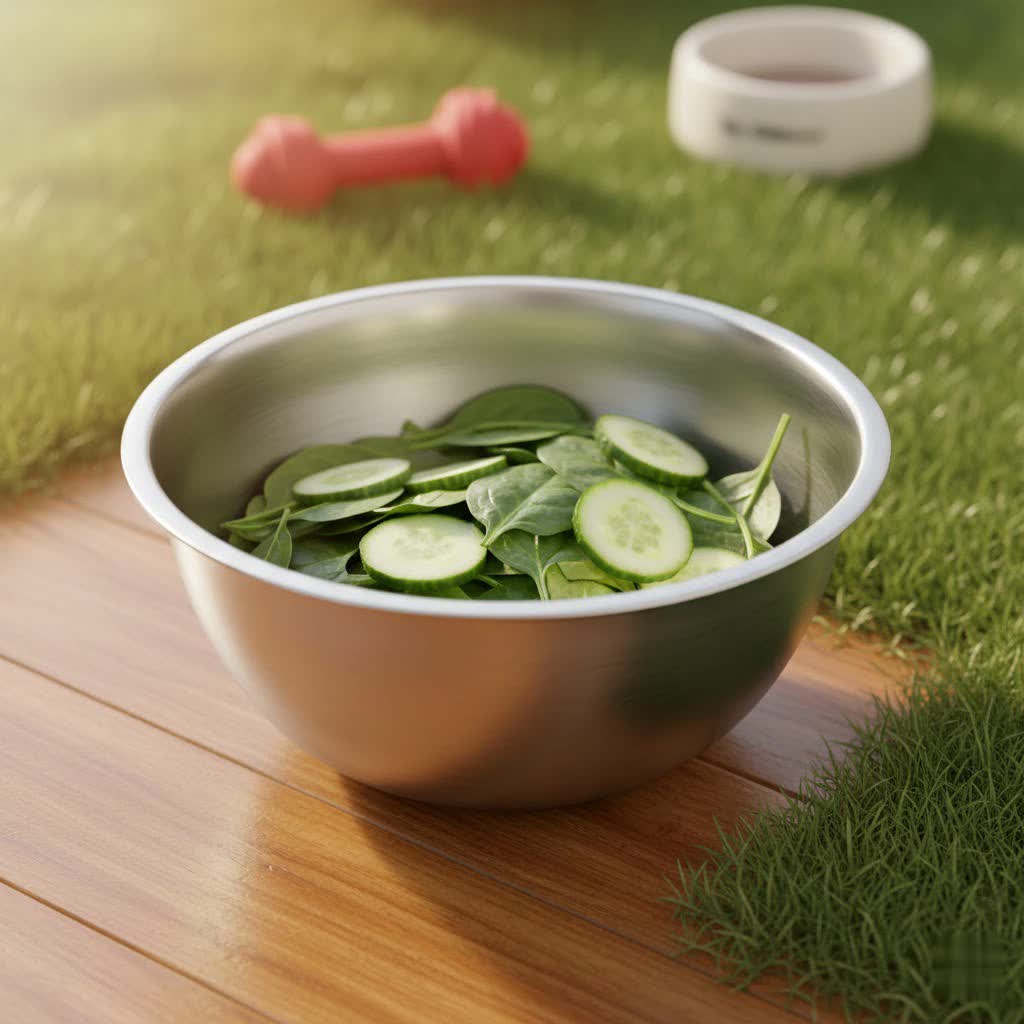
Every dedicated home cook and professional chef understands the silent workhorse of the kitchen: the mixing bowl. While various materials vie for attention, the large stainless steel mixing bowl consistently proves its mettle. It’s more than just a container; it’s a fundamental tool that handles everything from delicate meringues to hefty bread doughs, making it an indispensable part of a well-equipped kitchen. If you’re looking to elevate your culinary game, understanding the nuances of these robust vessels is key to choosing the perfect one for your needs.
What is a Mixing Bowl?
At its core, a mixing bowl is a kitchen utensil designed to hold and combine ingredients. These bowls facilitate a wide array of culinary tasks, from whisking eggs and tossing salads to kneading dough and marinating meats. Historically, mixing bowls have evolved from simple wooden or ceramic vessels used for basic food preparation to the diverse, specialized options available today. The modern mixing bowl, particularly those made from stainless steel, embodies decades of innovation focused on durability, hygiene, and user-friendliness, directly impacting the efficiency and success of kitchen operations.
The Versatility of Mixing Bowl Materials
Mixing bowls come in various materials, each offering unique advantages and disadvantages. While our focus is on large stainless steel mixing bowls, it’s beneficial to understand how they compare to other common types.
Stainless Steel Mixing Bowls
|
Our Picks for the Best Mixing Bowl in 2026
We may earn a commission when you use one of our links to make a purchase.
|
||
| Num | Product | Action |
|---|---|---|
| 1 | WHYSKO Meal Prep Stainless Steel Mixing Bowls Set, Home, Refrigerator, and Kitchen Food Storage Organizers - Ecofriendly, Reusable, Heavy Duty (Light Blue) |

|
| 2 | WHYSKO Meal Prep Stainless Steel Mixing Bowls Set, Home, Refrigerator, and Kitchen Food Storage Organizers - Ecofriendly, Reusable, Heavy Duty (Black) |
|
| 3 | WHYSKO Meal Prep Stainless Steel Mixing Bowl (5-Piece Set) Home, Refrigerator, and Kitchen Food Storage Organizers - Ecofriendly, Heavy Duty, No Lids |
|
| 4 | Priority Chef Premium Mixing Bowls With Lids Set, Airtight Lids, Thicker Stainless Steel, Non-Slip Base, 5 Nesting Steel Bowls for Kitchen, Large Prep Metal Bowl Set 1.5/2/3/4/5 Qt, Black |
|
| 5 | WHYSKO Meal Prep Stainless Steel Mixing Bowls Set, Home, Refrigerator, and Kitchen Food Storage Organizers - Ecofriendly, Reusable, Heavy Duty (Gray) |
|
| 6 | Pyrex Essentials (3-Piece) Glass Mixing Bowls Set For Prepping, Baking and Cooking, Preheated Oven, Dishwasher, Freezer, and Microwave Safe |
|
| 7 | Pyrex Sculpted (3-Pack) Glass Mixing Bowls Set With Lids For Prepping, Baking and Cooking, Preheated Oven, Dishwasher, Freezer, and Microwave Safe |
|
| 8 | WHYSKO Meal Prep Stainless Steel Mixing Bowls Set, Home, Refrigerator, and Kitchen Food Storage Organizers - Ecofriendly, Reusable, Heavy Duty (Khaki) |
|
| 9 | Winco , 8-Quart, Stainless Steel (MXB-800Q) |
|
| 10 | WHYSKO Meal Prep Stainless Steel Mixing Bowls Set, Home, Refrigerator, and Kitchen Food Storage Organizers - Ecofriendly, Reusable, Heavy Duty (Blue) |
|
Stainless steel bowls are a perennial favorite in kitchens worldwide due to their exceptional durability and versatility. They are lightweight, resistant to rust, corrosion, and stains, and do not absorb flavors or odors from ingredients. Stainless steel also excels in temperature control, making it ideal for tasks like creating a double boiler for melting chocolate or chilling ingredients quickly. However, they are not microwave-safe and can be noisy during vigorous mixing. Some users also note that a very smooth stainless steel surface can sometimes make it harder to achieve maximum volume when whipping egg whites or cream compared to copper, though this is a minor concern for most.
Glass Mixing Bowls
Glass bowls, often made from tempered glass like Pyrex, offer excellent visibility, allowing cooks to monitor ingredients as they mix. They are typically microwave, oven, freezer, and dishwasher safe, making them highly versatile for various cooking and storage tasks. Their weight provides stability during mixing. The primary drawbacks are their fragility compared to stainless steel—they can chip or break if dropped—and their inherent heaviness can make them cumbersome, especially in larger sizes.
Plastic Mixing Bowls
Plastic mixing bowls are generally the most affordable and lightweight option, making them convenient for casual use, children’s baking projects, or transporting food to potlucks. Many are virtually unbreakable and can come with lids for easy storage. However, quality varies significantly; cheaper plastics can melt, scratch, stain, and absorb odors or flavors. They may also leach chemicals like BPA, making it crucial to choose BPA-free options. Fats tend to cling to plastic, which can make whipping egg whites to stiff peaks challenging.
Ceramic Mixing Bowls
Ceramic bowls often boast beautiful designs and come in various colors, making them attractive enough to double as serving pieces. Their inherent weight provides stability on the countertop during mixing. Some ceramic bowls are microwave and oven-safe. The main disadvantage is their susceptibility to chipping, cracking, and breaking. High-fired ceramic offers better durability than regular earthenware.
Comparison of Popular Mixing Bowl Materials
| Feature | Stainless Steel | Glass | Plastic | Ceramic |
|---|---|---|---|---|
| Durability | Excellent (nearly indestructible) | Good (tempered glass is strong) | Variable (can be flimsy) | Moderate (prone to chipping/breaking) |
| Weight | Lightweight | Heavy | Very Lightweight | Heavy |
| Microwave Safe | No | Yes (check manufacturer) | Variable (check manufacturer) | Yes (check manufacturer) |
| Oven Safe | No (unless specified for high temps) | Yes (tempered glass) | No (can melt) | Yes (check manufacturer) |
| Non-Reactive | Yes | Yes | Yes | Yes |
| Stain/Odor Resist | Excellent | Excellent | Poor (can absorb/stain) | Good (glazed surfaces) |
| Visibility | No | Excellent | No | No |
| Double Boiler | Yes | Yes | No | No |
| Whisking | Good (can be noisy, smooth surface) | Good (stable) | Fair (fats stick, wobbly) | Good (stable) |
| Cost | Moderate to High | Moderate | Low | Moderate to High |
Large Stainless Steel Mixing Bowls: The Unsung Hero
When it comes to handling substantial quantities for baking, cooking, or meal prep, a large stainless steel mixing bowl shines. Capacities of five quarts or more are typically considered large, ideal for families, entertaining, or bulk preparation.
Advantages of Large Stainless Steel Mixing Bowls
- Durability and Longevity: These bowls are built to withstand rigorous use, resisting dents, scratches, and shattering, unlike glass or ceramic. High-quality stainless steel bowls are often a “buy it for life” item.
- Hygiene: Stainless steel is non-porous, preventing food particles and bacteria from lingering, which is crucial for food safety. It also won’t leach chemicals into your food, even with hot ingredients.
- Lightweight and Easy Handling: Despite their large size, stainless steel bowls are lighter than their glass or ceramic counterparts, making them easier to lift, move, and pour, even when full.
- Versatility: Beyond mixing, large stainless steel bowls are excellent for marinating large cuts of meat, chilling dough in the refrigerator, proofing bread, or even serving sizable salads at gatherings. Many can also be used as part of a makeshift double boiler.
- Space-Saving Storage: Most stainless steel mixing bowl sets are designed to nest perfectly within each other, minimizing the cabinet space required, a significant advantage for larger sets.
Considerations for Large Stainless Steel Mixing Bowls
- Gauge Thickness: This refers to the thickness of the steel. A lower gauge number indicates a thicker, more durable, and heavier bowl. For large bowls, a gauge between 14 and 20 is common. Thicker gauges (e.g., 14GA) offer superior durability and stability, while thinner ones (e.g., 20GA) are lighter but can be more prone to denting or warping.
- Shape and Depth: Shallower, wider bowls provide more surface area, which can be beneficial for tossing salads or incorporating ingredients with a wider range of motion, like when whipping cream. Deeper, taller bowls are excellent for containing splatters during vigorous mixing with a hand mixer or for proofing dough.
- Rim Design: Thin, flared rims facilitate clean pouring, guiding liquids smoothly without dribbling down the sides. Rolled edges can provide a sturdy grip, but overly thick or flat rims might lead to messy pours.
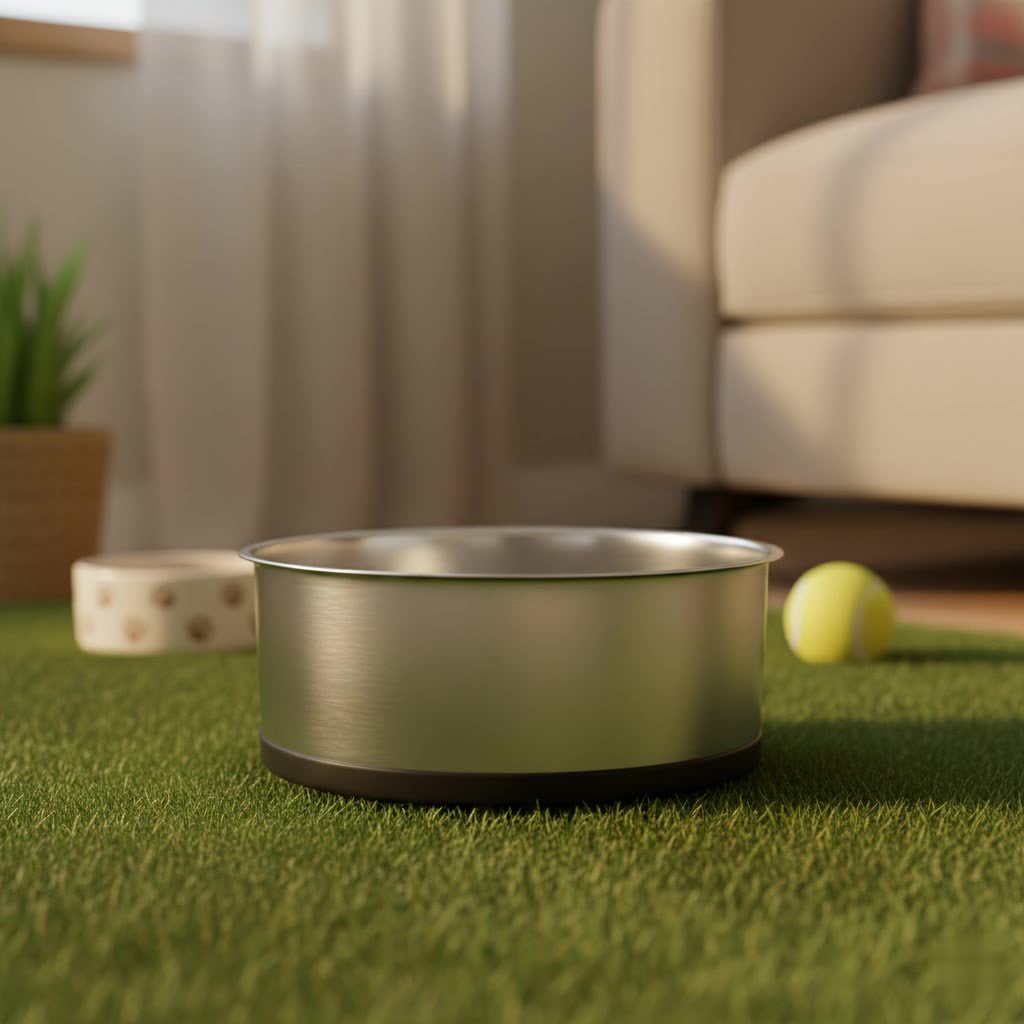
- Non-Slip Bases: Some large stainless steel bowls come with silicone bases that prevent them from sliding around on the countertop during vigorous mixing, enhancing stability and safety.
- Lids: While not essential, tight-fitting lids are a fantastic feature for large bowls, turning them into convenient storage containers for leftovers, marinating foods, or proofing dough in the refrigerator.
Buying Guide: Choosing Your Perfect Large Stainless Steel Mixing Bowl
Selecting the right large stainless steel mixing bowl depends on your specific cooking habits and kitchen needs. Consider these factors before making your purchase:
- Assess Your Needs: How often will you use a large mixing bowl? Do you frequently bake for a crowd, prepare large family meals, or entertain? A capacity of 5 quarts or more is ideal for tasks like mixing multiple batches of cookie dough, large salads, or substantial bread doughs.
- Prioritize Durability (Gauge): For heavy-duty use, opt for a lower gauge number (e.g., 14-16 gauge) stainless steel. This ensures the bowl can withstand drops, vigorous mixing, and commercial-style use without denting or rusting.
- Consider Shape and Features:
- Handles: Bowls with sturdy, overhanging handles offer enhanced control and make pouring easier, keeping your hands clean.
- Non-Slip Base: A silicone or weighted base provides stability, preventing the bowl from moving while you mix, especially crucial for large, heavier batches.
- Lids: For food storage and marinating, leak-proof, tight-fitting lids are invaluable.
- Flared Rims: These contribute to clean pouring and often provide a better grip.
- Brand Reputation: Research brands known for quality stainless steel kitchenware. Companies with a history in professional food service often produce highly durable and functional bowls. Look for reviews that specifically mention long-term durability and resistance to scratching or rusting after extended use.
- Ease of Cleaning and Storage: Ensure the bowls are dishwasher-safe for convenient cleanup. For sets, confirm they nest compactly to save cabinet space.
Top 5 Large Stainless Steel Mixing Bowls
Based on extensive testing and user feedback, several large stainless steel mixing bowls stand out for their quality, design, and functionality.
- Cuisinart Stainless Steel Mixing Bowls with Lids: Renowned for their sturdy construction and leak-proof lids, these bowls offer dependable performance. They are praised for their stability during mixing and ease of pouring, despite some users noting they can show fingerprints and may get minor scratches from metal whisks.
- Vollrath 5-Piece Stainless Steel Mixing Bowl Set: Often considered restaurant-quality, these lightweight bowls feature a wide range of sizes, including an 8-quart option, and flared, mess-free rims for clean pouring. Their wide shape makes mixing and folding easy. Be mindful of the largest bowl’s diameter for storage.
- All-Clad Stainless Steel Mixing Bowls: These premium bowls feature surprisingly helpful handles for superior control and thin rims that prevent drips. Their tall, sloped walls help contain splatters while providing ample space for whisking. While on the pricier side, their longevity is a frequently highlighted benefit.
- OXO Good Grips 3-Piece Stainless Steel Mixing Set: This set is a favorite for baking due to its superb stability provided by a small silicone base and a large lip that offers a great grip. Its deep shape is excellent for containing doughs and batters, though the silicone base means it cannot be used as a double boiler.
- FineDine Stainless Steel Mixing Set: Offering great value with large capacities (including an 8-quart bowl), this set is ideal for preparing big quantities of food. Its shallow sides make it excellent for tossing large salads and incorporating sauces without spillage. While functional, storage can be a consideration due to the sheer size of the largest bowls.
Cleaning and Maintaining Your Large Stainless Steel Mixing Bowl
Proper care ensures your large stainless steel mixing bowls remain a kitchen staple for years.
- Regular Cleaning: Most stainless steel bowls are dishwasher-safe, offering a convenient cleanup solution. For handwashing, use warm soapy water and a soft sponge or cloth. Avoid abrasive scrubbers or steel wool, which can scratch the surface.
- Removing Stains: For stubborn food residue or water spots, a paste made of baking soda and water, or a specialized stainless steel cleaner, can effectively restore their shine. Always rinse thoroughly and dry immediately to prevent water spots.
- Preventing Scratches: While stainless steel is scratch-resistant, vigorous use of metal whisks or beaters can cause minor surface scratches over time. Using silicone or wooden utensils can help minimize these marks, preserving the bowl’s aesthetic.
- Storage: Always ensure bowls are completely dry before nesting them to prevent moisture buildup and potential staining. Store them in a way that prevents heavy items from scratching the interior surfaces.
Conclusion
A large stainless steel mixing bowl is an investment in your culinary future, offering unmatched durability, hygiene, and versatility for a wide range of kitchen tasks. From the everyday art of tossing a vibrant salad to the joy of kneading a fresh loaf of bread, the right bowl transforms cooking from a chore into a seamless, enjoyable experience. By considering factors like gauge, shape, and features, you can select a bowl that not only meets your needs but also inspires confidence in every dish you create. So, which large stainless steel mixing bowl will be the cornerstone of your kitchen adventures?
Frequently Asked Questions
What makes a stainless steel mixing bowl “large”?
Generally, a “large” stainless steel mixing bowl refers to capacities of 5 quarts (approximately 4.7 liters) or more, making them suitable for preparing substantial batches of food like multiple dozen cookies, large salads, or significant quantities of dough.
Can large stainless steel mixing bowls go in the oven or microwave?
No, stainless steel mixing bowls are typically not microwave-safe due to the risk of sparking and damage to the appliance. While stainless steel is heat-resistant, most standard mixing bowls are not designed for direct oven use unless explicitly stated by the manufacturer for specific low-temperature applications.
How do I prevent my large mixing bowl from sliding on the counter?
Many large stainless steel mixing bowls come with a silicone or rubber base for enhanced stability. If your bowl lacks this feature, a common kitchen hack is to place a damp kitchen towel, folded into a ring, underneath the bowl. This creates friction and keeps the bowl steady during vigorous mixing.
Is a thicker gauge stainless steel always better for a mixing bowl?
A thicker gauge (lower number, e.g., 14GA) generally indicates greater durability and resistance to dents and warping, which is beneficial for heavy-duty use. However, it also means a heavier bowl. For general home use, a mid-range gauge (e.g., 18GA) often provides a good balance of durability and lightweight handling.
Can I use a hand mixer in a large stainless steel bowl?
Yes, you can typically use a hand mixer in a large stainless steel bowl. However, be aware that metal beaters can cause minor surface scratches over time. Using a non-slip mat or damp towel underneath the bowl is recommended to prevent it from spinning during mixing.