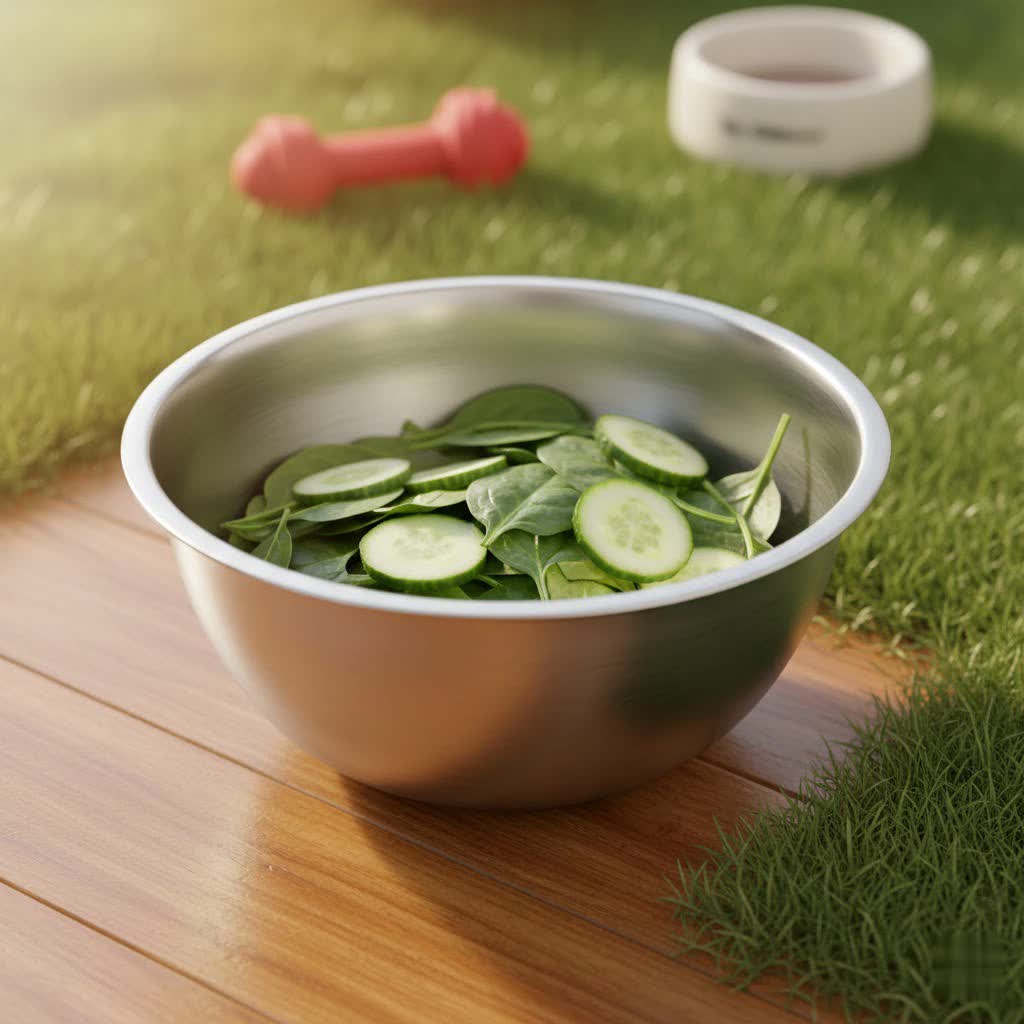
Every seasoned cook and enthusiastic baker understands that the secret to effortless large-batch meal prep or successful party catering often lies in having the right tools. Among these, the Extra Large Mixing Bowl stands out as an unsung hero. If you’ve ever wrestled with ingredients overflowing a standard bowl while mixing dough, tossing a family-sized salad, or marinating a hefty cut of meat, you know the frustration. This isn’t just another piece of kitchenware; it’s a foundational element that expands your culinary capabilities, making ambitious recipes not only possible but enjoyable.
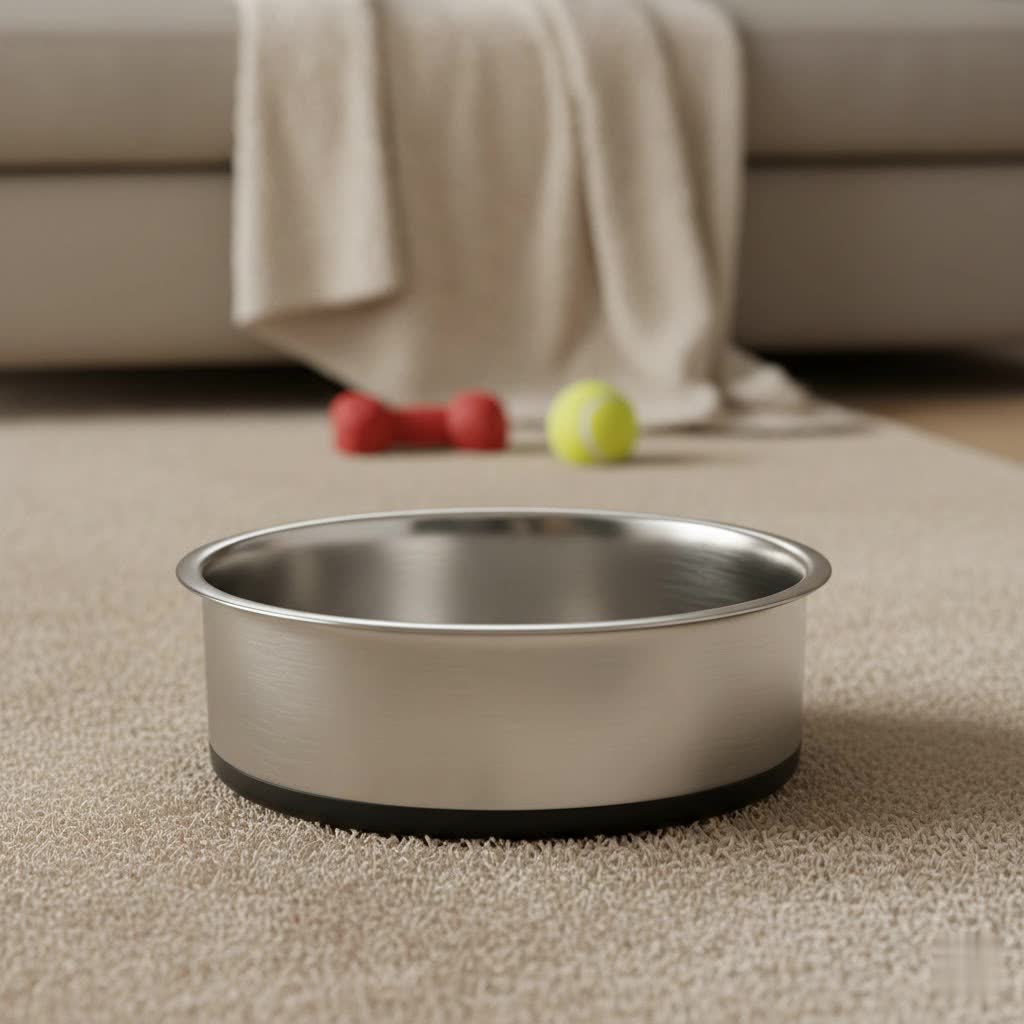
This comprehensive guide will explore everything you need to know about extra large mixing bowls, from their fundamental purpose and diverse types to essential features, a detailed buying guide, top recommendations, and crucial care tips. Get ready to transform your kitchen into a more efficient and versatile workspace, allowing you to tackle any recipe, no matter the scale.
What is an Extra Large Mixing Bowl?
At its core, a mixing bowl is a fundamental kitchen vessel designed for combining ingredients. An extra large mixing bowl takes this concept to the next level, offering significantly greater capacity than typical household bowls. While standard mixing bowls might range from 1 to 4 quarts, an extra large variant generally boasts a capacity of 5 quarts (approximately 4.7 liters) and often extends to 8 quarts or even larger, with some reaching impressive dimensions of up to 18 inches across and 6 inches deep.
These generously sized bowls are purpose-built for tasks that demand ample space. Their primary function is to contain substantial quantities of ingredients, providing room for vigorous mixing, kneading, or tossing without the mess and inconvenience of spills. From the earliest kitchens where rudimentary bowls were essential for food preparation, the modern mixing bowl has evolved, with extra large versions becoming indispensable for today’s dynamic culinary needs, enabling home cooks and professionals alike to handle substantial volumes with ease.
Popular Types of Extra Large Mixing Bowls
Extra large mixing bowls come in various materials, each offering unique advantages and disadvantages, alongside different features and sizes tailored to specific culinary tasks.
Classification by Material
|
Our Picks for the Best Mixing Bowl in 2026
We may earn a commission when you use one of our links to make a purchase.
|
||
| Num | Product | Action |
|---|---|---|
| 1 | WHYSKO Meal Prep Stainless Steel Mixing Bowls Set, Home, Refrigerator, and Kitchen Food Storage Organizers - Ecofriendly, Reusable, Heavy Duty (Blue) |

|
| 2 | Priority Chef Premium Mixing Bowls With Lids Set, Airtight Lids, Thicker Stainless Steel, Non-Slip Base, 5 Nesting Steel Bowls for Kitchen, Large Prep Metal Bowl Set 1.5/2/3/4/5 Qt, Black |
|
| 3 | WHYSKO Meal Prep Stainless Steel Mixing Bowls Set, Home, Refrigerator, and Kitchen Food Storage Organizers - Ecofriendly, Reusable, Heavy Duty (Black) |
|
| 4 | WHYSKO Meal Prep Stainless Steel Mixing Bowl (5-Piece Set) Home, Refrigerator, and Kitchen Food Storage Organizers - Ecofriendly, Heavy Duty, No Lids |
|
| 5 | WHYSKO Meal Prep Stainless Steel Mixing Bowls Set, Home, Refrigerator, and Kitchen Food Storage Organizers - Ecofriendly, Reusable, Heavy Duty (Khaki) |
|
| 6 | Pyrex Sculpted (3-Pack) Glass Mixing Bowls Set With Lids For Prepping, Baking and Cooking, Preheated Oven, Dishwasher, Freezer, and Microwave Safe |
|
| 7 | WHYSKO Meal Prep Stainless Steel Mixing Bowls Set, Home, Refrigerator, and Kitchen Food Storage Organizers - Ecofriendly, Reusable, Heavy Duty (Gray) |
|
| 8 | Pyrex Essentials (3-Piece) Glass Mixing Bowls Set For Prepping, Baking and Cooking, Preheated Oven, Dishwasher, Freezer, and Microwave Safe |
|
| 9 | Winco , 8-Quart, Stainless Steel (MXB-800Q) |
|
| 10 | WHYSKO Meal Prep Stainless Steel Mixing Bowls Set, Home, Refrigerator, and Kitchen Food Storage Organizers - Ecofriendly, Reusable, Heavy Duty (Light Blue) |
|
Choosing the right material for your extra large mixing bowl is crucial, as it impacts durability, usability, and maintenance.
Stainless Steel Mixing Bowls
Stainless steel is a powerhouse in the professional kitchen, and for good reason.
- Pros: Stainless steel bowls are incredibly durable, lightweight, and often more affordable. Their non-reactive nature makes them suitable for acidic ingredients, and they excel as part of a double boiler setup for tempering chocolate. Many sets are designed to nest perfectly, optimizing storage space, and stainless steel helps keep ingredients cooler, which is ideal for whipping cream or egg whites.
- Cons: These bowls are generally not microwave-safe and can become quite hot when holding warm liquids. The industrial aesthetic might not appeal to everyone, and vigorous scraping with a metal whisk can, in rare cases, impart a metallic taste or gray tinge to certain delicate mixtures.
- Applications: Ideal for heavy-duty mixing, kneading large bread doughs, tossing voluminous salads, and general ingredient preparation where durability and heat control are priorities.
Glass Mixing Bowls
Glass bowls offer both beauty and functionality, often pulling double duty as serving pieces.
- Pros: Glass is non-reactive and highly versatile, capable of going from the freezer to the microwave, dishwasher, and often even the oven (if tempered). Their transparent nature allows you to visually monitor the mixing process, ensuring ingredients are thoroughly combined. The inherent weight of glass also provides stability on the countertop during vigorous mixing.
- Cons: Glass bowls are heavier than their stainless steel counterparts and can chip or shatter if dropped. Their weight can also make pouring more challenging.
- Applications: Perfect for tasks requiring microwave use, serving salads or desserts directly, and any recipe where visual monitoring of the mix is beneficial.
Plastic Mixing Bowls
Modern plastic mixing bowls, particularly high-quality, BPA-free options, have come a long way.
- Pros: Plastic bowls are remarkably lightweight and won’t shatter if dropped, making them a safe choice for busy kitchens or households with children. Many are dishwasher and microwave safe, and often feature convenient additions like non-slip bases and integrated measurement markings. Environmentally friendly options made from biodegradable materials are also becoming available.
- Cons: Lower-quality plastic can absorb odors and stains over time and may scratch when metal utensils are used. Not all plastic bowls are microwave or oven safe, so checking manufacturer specifications is essential.
- Applications: Excellent for everyday mixing, lighter tasks, and situations where safety and ease of handling are paramount.
Ceramic/Stoneware Mixing Bowls
Ceramic and stoneware bowls bring a touch of classic elegance to the kitchen.
- Pros: These bowls are often visually appealing enough to transition seamlessly from prep to serving. They are durable, typically scratch and stain-resistant, and their material retains heat well, which can be beneficial for tasks like proofing dough.
- Cons: Ceramic bowls are considerably heavy and prone to chipping if mishandled. They can also be more expensive than other materials and may not always be oven or microwave safe (always check product details).
- Applications: Best for serving, proofing dough, or when you desire a rustic and aesthetically pleasing vessel for your culinary creations.
Classification by Size
For “extra large” mixing bowls, the focus is on capacities starting from 5 quarts and going upwards.
- Large (5-8 Liters/Quarts): This is the sweet spot for many extra large applications. Bowls in this range are perfect for mixing substantial bread doughs, preparing large quantities of cookie batter, tossing a family-sized salad, or marinating large cuts of meat or poultry.
- Extra Large (8+ Liters/Quarts): For truly monumental culinary endeavors, such as catering events, holiday feasts, or industrial-scale baking, bowls exceeding 8 quarts—some reaching 18 inches in diameter—become invaluable. These are essential for tossing vast amounts of vegetables, creating coleslaw for a crowd, or mixing multiple batches of anything.
Classification by Features
Beyond material and size, various features can enhance the utility of an extra large mixing bowl.
- Mixing Bowls with Lids: Lids are invaluable for food storage, marinating ingredients overnight, or proofing yeast dough in a warm, moist environment.
- Mixing Bowls with Non-slip Bases: A silicone or rubberized base prevents the bowl from sliding on the countertop during vigorous whisking or mixing, enhancing safety and stability.
- Mixing Bowls with Pour Spouts or Flared Rims: These design elements facilitate clean pouring, minimizing drips and splatters, which is especially useful when transferring batters or sauces.
- Mixing Bowls with Handles: Ergonomic handles provide a secure grip, making it easier to hold and maneuver heavy bowls, particularly when working with large volumes of ingredients.
- Measurement Markings: Integrated markings on the interior of the bowl eliminate the need for separate measuring cups, streamlining the preparation process.
Extra Large Mixing Bowl Comparison Table
| Feature / Material | Stainless Steel | Glass | Plastic (BPA-free) | Ceramic/Stoneware |
|---|---|---|---|---|
| Durability | Excellent (dent-resistant) | Good (shatter-prone if dropped) | Good (scratch/stain-prone if low quality) | Good (chip-prone if dropped) |
| Weight | Lightweight | Heavy | Very Lightweight | Very Heavy |
| Heat Safe | Stovetop (double boiler), Freezer | Microwave, Oven, Freezer, Dishwasher | Microwave (check label), Dishwasher, Freezer | Oven (check label), Dishwasher, Freezer |
| Reactivity | Non-reactive (if stainless steel) | Non-reactive | Non-reactive | Non-reactive |
| Aesthetics | Industrial, sleek | Clear, elegant | Often colorful, practical | Rustic, decorative, artful |
| Cost | Low to Mid-range | Mid-range | Low to Mid-range | Mid to High-range |
| Common Capacity | 5-20+ Quarts | 5-10 Quarts | 5-15+ Quarts | 5-8 Quarts |
| Key Pros | Lightweight, durable, great for cooling | See-through, versatile, serving-ready | Safe (no shatter), often non-slip, cheap | Beautiful, good heat retention, serving-ready |
| Key Cons | Not microwave-safe, can get hot | Heavy, fragile | Can scratch/stain, not all are heat-safe | Heavy, fragile, expensive |
How to Choose the Perfect Extra Large Mixing Bowl (Buying Guide)
Selecting the ideal extra large mixing bowl involves thoughtful consideration of your culinary habits and kitchen environment. With over a decade of experience in kitchenware, I can attest that the right bowl makes all the difference.
-
Determine Your Needs: Begin by asking yourself what you’ll primarily use the extra large mixing bowl for. Are you a passionate baker who churns out multiple batches of cookies or large loaves of bread? Do you frequently host gatherings that require monumental salads or family-sized sides? Perhaps you need it for marinating substantial cuts of meat or simply want a spacious vessel for meal prepping. Your specific applications will guide your choices.
-
Choose the Right Material: As explored, each material offers distinct benefits.
- For heavy-duty, frequent use and sheer durability, stainless steel is often the top recommendation. It’s forgiving, lightweight, and easy to handle even when full.
- If microwave compatibility, aesthetic appeal for serving, and visibility are priorities, tempered glass is an excellent choice.
- For safety, lightweight handling, and often budget-friendliness, high-quality, BPA-free plastic bowls are a practical option, especially in busy family kitchens.
- For proofing dough, serving with style, and retaining heat, ceramic or stoneware can add a touch of artisanal charm.
-
Select the Appropriate Size: While “extra large” implies big, the exact capacity still matters. A 6 to 8-quart bowl is often sufficient for most large-scale home cooking tasks, like mixing a double batch of cake batter or tossing a salad for 8-10 people. If you’re regularly cooking for very large groups or commercial purposes, consider bowls upwards of 10-15 quarts. Also, think about how it will fit into your refrigerator or cabinet storage.
-
Look for Essential Features:
- Lids are a game-changer for storage and marinating.
- A non-slip base is invaluable for stability, preventing frustrating slips and spills.
- Pour spouts and well-designed rims significantly improve usability, making transferring liquids much cleaner.
- Ergonomic handles provide crucial control and comfort, especially when lifting or pouring heavy contents.
- Measurement markings can simplify recipe execution.
-
Consider Reputable Brands: Investing in quality pays off. Brands like All-Clad, Vollrath, Pyrex, Viking, Le Creuset, OXO, Cuisinart, FineDine, and JoyJolt are recognized for their durable and well-designed mixing bowls. While specific models may vary, a brand with a strong reputation for kitchenware often signifies reliability.
-
Check Quality and Finish Before Buying: Always inspect the product. Ensure there are no sharp edges, the material feels robust, and any added features like handles or non-slip bases are securely integrated. For nesting sets, check that the bowls fit together snugly to maximize storage efficiency.
Top 5 Extra Large Mixing Bowls for Every Kitchen
Based on extensive testing and user feedback, these extra large mixing bowls consistently deliver on performance, durability, and features, catering to diverse culinary needs.
-
Viking 10-Piece Stainless Steel Bowl Set: This set often features incredibly sturdy bowls that come with skid-proof bottoms, helpful handles, and lids. The comprehensive range of sizes typically includes excellent extra large options, making it a versatile choice for any serious cook. Its durability ensures it can withstand rigorous use in a busy kitchen.
-
All-Clad Stainless Steel Mixing Bowls: Renowned for quality, All-Clad’s stainless steel bowls offer surprisingly useful handles and thin, flared rims that prevent drips and splatters, ensuring clean pouring. Their tall, sloped walls efficiently funnel ingredients together, minimizing messes during enthusiastic mixing.
-
FineDine Stainless Set of 6 (8-quart capacity): This set is a superb option for those needing to prepare large quantities. The generous 8-quart capacity is ideal for substantial salads, and its shallow sides simplify the incorporation of sauces without spillage. A large lip aids in combining ingredients and scooping contents when tilted, making it great for everything from tossing roasted vegetables to making family-sized coleslaw.
-
Pyrex Sculpted Large 6-Piece Glass Mixing Bowls Set: For those who appreciate both aesthetics and functionality, this Pyrex set delivers. It often includes decorative glass mixing bowls with lids that nest for compact storage. While some users note the glass can feel thinner than older Pyrex, it remains durable for everyday use, with lids being a standout feature for secure storage of leftovers or prepped ingredients. They’re also elegant enough for casual serving.
-
Le Creuset Stoneware Large Multi Bowl: If elegance is a priority, the Le Creuset stoneware multi-bowl is a showstopper. Its French-inspired aesthetic adds sophistication to any kitchen. Made from durable ceramic, it’s highly scratch and stain-resistant. While it typically comes as a single bowl without a non-slip base or lid, its robust construction and timeless design make it a high-quality choice for mixing, proofing, or serving.
Cleaning and Storing Your Extra Large Mixing Bowl Correctly
Proper care and storage are essential to maximize the lifespan and maintain the pristine condition of your extra large mixing bowls. Different materials require specific attention.
Cleaning Guidelines by Material:
- Stainless Steel: Most stainless steel mixing bowls are dishwasher safe. For stubborn food residues, soak the bowl in warm, soapy water before washing. Avoid using abrasive scrubbers like steel wool, which can scratch the surface, and harsh chemical cleaners that might affect the finish.
- Glass: Tempered glass bowls are generally dishwasher safe. To prevent thermal shock (which can cause cracking), avoid exposing hot glass directly to cold water or vice-versa. Always allow the bowl to cool completely before washing if it has been used with hot contents or in the oven.
- Plastic: High-quality, BPA-free plastic bowls are often dishwasher safe, but always check the manufacturer’s instructions. Hand washing is sometimes recommended to prevent odors and stains from setting in, especially with highly pigmented foods. Avoid abrasive pads that can scratch the surface, which could then harbor bacteria or stains more easily.
- Ceramic/Stoneware: Many ceramic and stoneware bowls are dishwasher safe, but hand washing is recommended for delicate or hand-painted pieces to preserve their finish. Like glass, avoid sudden temperature changes. Use gentle detergents and non-abrasive sponges.
General Care and Storage Tips:
- Wash Promptly: Always wash your mixing bowl as soon as possible after use to prevent food from drying and sticking, making cleanup much easier.
- Dry Thoroughly: Ensure bowls are completely dry before storing them, especially stainless steel, to prevent water spots or rust (though rare with stainless steel).
- Optimal Storage: Many extra large mixing bowls, particularly those sold in sets, are designed to nest efficiently within each other. This is the most space-saving way to store them in cabinets or on shelves. If you have bowls with lids, store them together to keep sets complete. For single large bowls, find a dedicated spot where they won’t be easily knocked over or chip other items.
By following these simple cleaning and storage practices, your extra large mixing bowls will remain functional and beautiful, ready to assist in countless culinary adventures.
Conclusion
The extra large mixing bowl is far more than just a sizable container; it’s a game-changer for anyone who loves to cook, bake, or entertain on a grand scale. From accommodating ambitious baking projects and preparing family-sized meals to simplifying meal prep and ensuring mess-free mixing, its utility is undeniable. Whether you prioritize the lightweight durability of stainless steel, the versatile elegance of glass, the practicality of high-quality plastic, or the rustic charm of ceramic, there’s an extra large mixing bowl designed to meet your specific needs. By considering material, capacity, and essential features like non-slip bases and lids, you can choose a workhorse that will truly elevate your kitchen experience.
Ready to expand your culinary horizons and tackle any recipe with confidence? Investing in the right extra large mixing bowl is the first step towards a more efficient and enjoyable kitchen. What grand culinary creation will you whip up first with your new spacious companion?
Frequently Asked Questions
What size is considered an extra large mixing bowl?
Generally, mixing bowls with a capacity of 5 quarts (approximately 4.7 liters) or more are considered extra large. Many popular extra large options range from 6 to 8 quarts, with some specialized bowls exceeding 10 quarts, designed for very large batches or professional use.
Can extra large mixing bowls go in the microwave?
The microwave compatibility of an extra large mixing bowl depends entirely on its material. Glass and high-quality, BPA-free plastic bowls are often microwave-safe, while stainless steel and most ceramic/stoneware bowls are not. Always check the manufacturer’s instructions before microwaving.
Are extra large plastic mixing bowls safe?
Yes, extra large plastic mixing bowls made from high-quality, food-grade, and BPA-free materials are generally safe for kitchen use. They are durable, lightweight, and less prone to shattering. However, lower quality plastics might retain odors or stains, and not all are suitable for high heat.
How do you store large mixing bowls efficiently?
The most efficient way to store large mixing bowls, especially if you have a set, is by nesting them. Many sets are designed to fit snugly inside one another, saving considerable cabinet space. For single large bowls, allocate a dedicated spot that is easily accessible and protects them from chipping or damage.