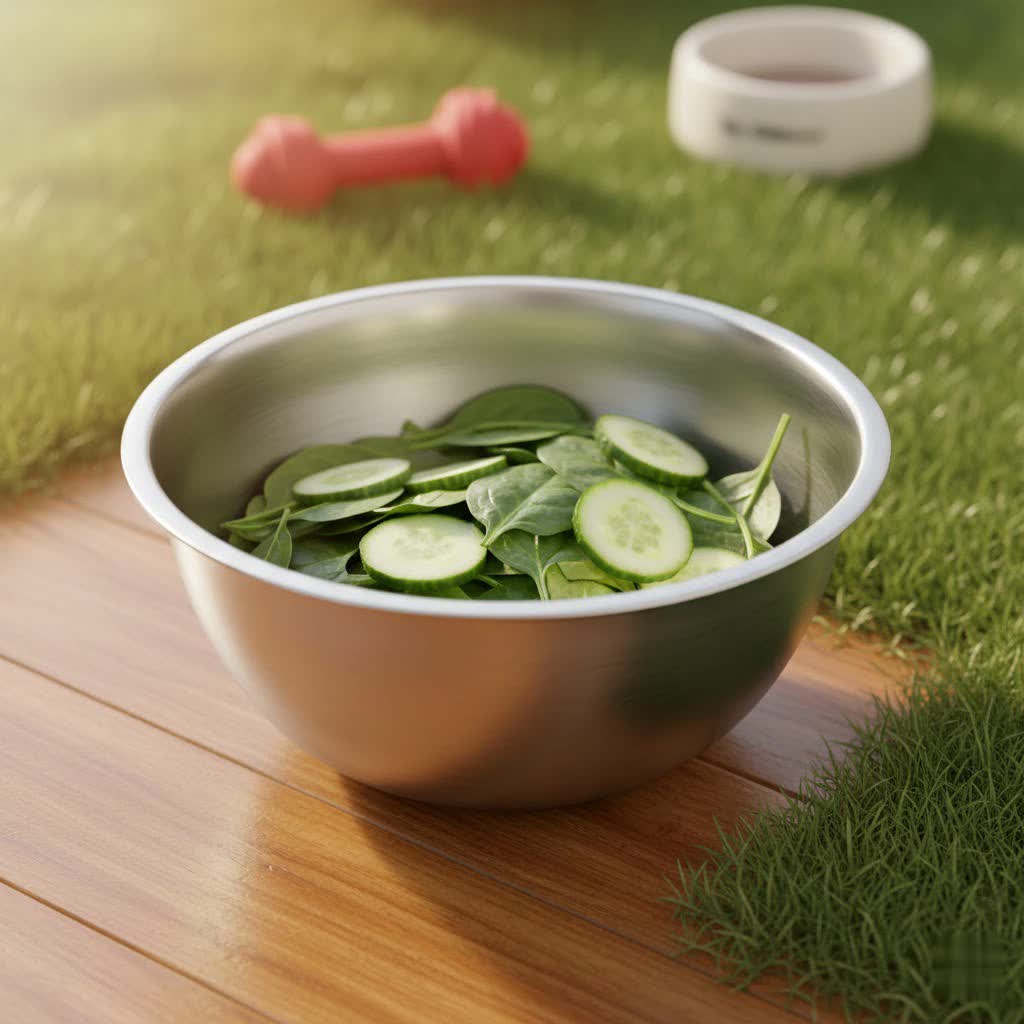
In the heart of every bustling kitchen lies an unsung hero: the mixing bowl. While often overlooked, this fundamental tool is indispensable for countless culinary creations, from fluffy cakes to hearty salads. Among the myriad sizes available, the 6-quart mixing bowl stands out as a true workhorse, offering the perfect balance of generous capacity and manageable dimensions for both enthusiastic home cooks and seasoned bakers.
This comprehensive guide will delve into everything you need to know about the 6-quart mixing bowl. We’ll explore its definition, delve into the various types and materials, highlight essential features, and provide a detailed buying guide to help you choose the ideal bowl for your culinary adventures. We’ll also share tips for cleaning and care, ensuring your mixing bowl remains a trusted companion for years to come.
What is a Mixing Bowl?
At its core, a mixing bowl is a deep, rounded vessel designed for combining, whisking, stirring, and preparing ingredients. It’s the central stage for everything from whipping eggs and creating doughs to tossing salads and marinating meats. These versatile bowls come in various shapes, sizes, and materials, each suited for different kitchen tasks and preferences. Their primary purpose is to provide a stable and adequately sized container to facilitate the mixing process without spills or mess.
Why a 6 Quart Mixing Bowl? Understanding Its Ideal Size
A 6-quart mixing bowl strikes an excellent balance, making it a highly versatile size for most households. This capacity, equivalent to approximately 24 cups, is substantial enough to handle larger baking projects, family-sized meals, and extensive prep work, yet remains manageable for everyday use and storage.
For bakers, a 6-quart bowl is often ideal for kneading sizable batches of bread dough, mixing up enough batter for 13 dozen cookies, or mashing over 6 pounds of potatoes. Its generous volume allows for vigorous whisking and folding without ingredients spilling over the sides, providing ample space for expansion of whipped creams or meringues. Typically, a 6-quart bowl measures around 11 inches in diameter and 5 inches in height, offering a deep and wide basin perfect for thorough mixing.
Common Types of Mixing Bowls
Mixing bowls are primarily differentiated by the materials they are made from, each offering distinct advantages and disadvantages.
By Material
|
Our Picks for the Best Mixing Bowl in 2026
We may earn a commission when you use one of our links to make a purchase.
|
||
| Num | Product | Action |
|---|---|---|
| 1 | WHYSKO Meal Prep Stainless Steel Mixing Bowls Set, Home, Refrigerator, and Kitchen Food Storage Organizers - Ecofriendly, Reusable, Heavy Duty (Black) |

|
| 2 | WHYSKO Meal Prep Stainless Steel Mixing Bowls Set, Home, Refrigerator, and Kitchen Food Storage Organizers - Ecofriendly, Reusable, Heavy Duty (Khaki) |
|
| 3 | Pyrex Essentials (3-Piece) Glass Mixing Bowls Set For Prepping, Baking and Cooking, Preheated Oven, Dishwasher, Freezer, and Microwave Safe |
|
| 4 | Pyrex Sculpted (3-Pack) Glass Mixing Bowls Set With Lids For Prepping, Baking and Cooking, Preheated Oven, Dishwasher, Freezer, and Microwave Safe |
|
| 5 | WHYSKO Meal Prep Stainless Steel Mixing Bowls Set, Home, Refrigerator, and Kitchen Food Storage Organizers - Ecofriendly, Reusable, Heavy Duty (Blue) |
|
| 6 | WHYSKO Meal Prep Stainless Steel Mixing Bowls Set, Home, Refrigerator, and Kitchen Food Storage Organizers - Ecofriendly, Reusable, Heavy Duty (Gray) |
|
| 7 | WHYSKO Meal Prep Stainless Steel Mixing Bowl (5-Piece Set) Home, Refrigerator, and Kitchen Food Storage Organizers - Ecofriendly, Heavy Duty, No Lids |
|
| 8 | Winco , 8-Quart, Stainless Steel (MXB-800Q) |
|
| 9 | Priority Chef Premium Mixing Bowls With Lids Set, Airtight Lids, Thicker Stainless Steel, Non-Slip Base, 5 Nesting Steel Bowls for Kitchen, Large Prep Metal Bowl Set 1.5/2/3/4/5 Qt, Black |
|
| 10 | WHYSKO Meal Prep Stainless Steel Mixing Bowls Set, Home, Refrigerator, and Kitchen Food Storage Organizers - Ecofriendly, Reusable, Heavy Duty (Light Blue) |
|
Stainless Steel Mixing Bowls
Stainless steel bowls are a perennial favorite in professional and home kitchens alike.
- Pros: They are lightweight, extremely durable, resistant to rust and corrosion, and non-reactive, meaning they won’t impart flavors or absorb odors from acidic ingredients. Many are dishwasher-safe, making cleanup a breeze. Stainless steel bowls can also be safely used as the top bowl in a double boiler setup.
- Cons: They can be prone to scratches from metal utensils and may show fingerprints easily. They are not microwave-safe.
- Applications: Ideal for general mixing, whipping cream, kneading dough, and creating a double boiler for melting chocolate.
Glass Mixing Bowls
Glass mixing bowls offer both functionality and aesthetic appeal.
- Pros: Glass is non-reactive, non-porous, and excellent for visually monitoring the mixing process. Many glass bowls are microwave-safe and oven-safe (depending on the specific glass type), making them convenient for heating or serving directly. Their inherent weight provides good stability during mixing.
- Cons: They are significantly heavier than stainless steel bowls and are prone to breaking or chipping if dropped or subjected to sudden temperature changes. When full, they can be cumbersome to handle.
- Applications: Perfect for microwave heating, serving dishes directly from the kitchen to the table, and tasks where visual assessment of ingredients is helpful.
Plastic Mixing Bowls
Plastic bowls are a common and affordable option.
- Pros: They are typically lightweight, shatter-resistant, and come in a wide array of colors. Many are also dishwasher-safe.
- Cons: Plastic can scratch easily, leading to potential harbor points for bacteria and odors. They can also absorb stains from vibrant ingredients like tomato sauce. Not all plastic bowls are microwave-safe, and their durability is generally lower than metal or glass. Some lower-quality plastics may also feel flimsy.
- Applications: Best for light mixing tasks, everyday use, and environments where breakage is a concern, such as with children.
Ceramic/Stoneware Mixing Bowls
Ceramic and stoneware bowls offer a rustic charm and robust feel.
- Pros: These bowls are often aesthetically pleasing, can retain temperature well (good for chilling ingredients), and their weight provides excellent stability during mixing.
- Cons: They are generally very heavy and extremely susceptible to breaking or chipping if dropped. Not all ceramic bowls are microwave or oven-safe, so checking manufacturer guidelines is crucial.
- Applications: Great for serving, marinating, and specific baking tasks where a heavy, stable bowl is advantageous.
Comparison Summary Table
| Feature | Stainless Steel | Glass | Plastic | Ceramic/Stoneware |
|---|---|---|---|---|
| Pros | Durable, lightweight, non-reactive, dishwasher-safe, good for double boiler | Non-reactive, microwave/oven-safe (some), stable, visual appeal | Lightweight, affordable, shatter-resistant, colorful | Stable, aesthetic, good for temperature retention |
| Cons | Scratches, shows fingerprints, not microwave-safe | Heavy, breakable, cumbersome | Scratches, stains, retains odors, less durable | Very heavy, breakable, chips easily |
| Best Use | General mixing, whipping, kneading, double boiling | Microwave, serving, visual tasks | Light mixing, everyday, kid-friendly | Serving, marinating, heavy-duty mixing |
Key Features to Look for in a 6 Quart Mixing Bowl
Beyond the material, several design features can significantly enhance the usability and longevity of your 6-quart mixing bowl.
- Stability: A non-slip base, often made of silicone or rubber, is invaluable. It prevents the bowl from sliding or spinning on the countertop, allowing for more efficient and safer mixing, especially during vigorous whisking or kneading.
- Ergonomics: Look for bowls with wide, comfortable rims that provide a good grip. Some bowls also feature integrated handles, which can be incredibly helpful when pouring heavy batters or transferring ingredients.
- Pouring: A well-designed pouring spout can make a huge difference in reducing mess. Bowls with thin, curved rims also tend to offer cleaner pours compared to those with flat edges.
- Lids: Lids are a fantastic addition for food storage, marinating, or transporting dishes. Airtight or vacuum-seal lids keep food fresh longer, while transparent lids allow you to see the contents at a glance.
- Nesting: If space is a concern, consider a 6-quart bowl that is part of a nesting set. This allows smaller bowls to fit inside larger ones, saving valuable cabinet space.
- Measurement Markings: Some bowls include internal measurement markings, which can be a convenient feature for quick estimations during prep work.
- Durability & Cleaning: Ensure the bowl is made from high-quality materials that resist warping, staining, or scratching. Dishwasher-safe properties are always a plus for easy cleanup.
How to Choose the Perfect 6 Quart Mixing Bowl (Buying Guide)
Selecting the right 6-quart mixing bowl involves considering your individual cooking habits, kitchen setup, and personal preferences.
- Assess Your Needs: What do you primarily use mixing bowls for? If you’re a frequent baker, a durable stainless steel or stable glass bowl might be best. For general meal prep and casual use, plastic could suffice. If storage is a priority, nesting sets are ideal.
- Consider Material: Think about the pros and cons of each material. Do you need microwave compatibility? Is lightweight essential, or do you prefer the stability of a heavier bowl? Prioritize food safety and durability based on your usage.
- Check for Key Features: Decide which features are non-negotiable for your cooking style. Do you often make wet batters that require a pouring spout? Do you need airtight lids for storage? A non-slip base is almost always a beneficial feature.
- Budget: Mixing bowls are available at various price points. Determine your budget and look for the best quality and features within that range. Remember that investing in a good quality bowl can save you money in the long run by avoiding frequent replacements.
- Brand Reputation: Research reputable kitchenware brands known for their quality and customer satisfaction. Brands like OXO, Cuisinart, Pyrex, and KitchenAid often offer reliable products that stand the test of time.
- Examine the Product: If possible, physically inspect the bowl before purchasing. Check the material’s thickness, the rim’s comfort, the stability of the base, and the overall finish. Ensure it feels balanced in your hand.
Top 6 Quart Mixing Bowls for Every Kitchen
While specific models fluctuate in availability and popularity, certain types of 6-quart mixing bowls consistently receive high praise for their design, durability, and functionality.
- Best Overall (Stainless Steel): Look for sets from brands like Cuisinart or OXO. These often feature robust stainless steel construction, non-slip bases, and thoughtful design elements like flared rims for easy pouring. They are versatile for nearly any task and built to last.
- Best with Lids (Stainless Steel or Plastic): Many manufacturers offer 6-quart bowls as part of sets that include airtight lids. These are invaluable for marinating, storing leftovers, or transporting food. Brands like HexClad offer vacuum-seal lids for extended freshness.
- Best for Baking (Glass or Heavy-Duty Stainless Steel): A stable, heavy glass bowl (like those from Pyrex) or a professional-grade stainless steel bowl provides the necessary stability for vigorous baking tasks such as kneading dough or whipping large quantities of ingredients.
- Best Eco-Friendly Option (Bamboo Fiber): Newer options like Chef Craft Eco Mixing Bowls made from renewable resources offer a more sustainable choice. While typically lighter, many perform well in tests for stability and ease of use.
- Best for Stand Mixers (Stainless Steel): For those with KitchenAid or other stand mixers, specific 6-quart stainless steel bowls are designed to fit perfectly, often featuring a handle for easier attachment and removal. These are indispensable for high-volume baking.
Cleaning and Care for Your Mixing Bowls
Proper care extends the life of your mixing bowls and maintains their hygienic condition.
- General Tips: Always wash your mixing bowls promptly after use to prevent food from drying and sticking. Avoid using overly abrasive scrubbers that can scratch surfaces, especially on plastic or stainless steel.
- Material-Specific Care:
- Stainless Steel: Most stainless steel bowls are dishwasher-safe. For hand washing, use warm, soapy water and a soft sponge. To prevent water spots, dry them thoroughly immediately after washing.
- Glass: Glass bowls are generally dishwasher-safe. However, avoid sudden and extreme temperature changes (e.g., placing a hot glass bowl directly into cold water) as this can cause thermal shock and breakage.
- Plastic: Many plastic bowls are top-rack dishwasher-safe. Hand washing with warm, soapy water is recommended for stubborn stains or to prevent potential warping from high dishwasher heat. For strong odors, a baking soda paste can help.
- Ceramic/Stoneware: These bowls typically require hand washing with warm, soapy water. Handle them carefully to prevent chipping or breaking. Avoid harsh chemicals or abrasive materials.
- Storage: Nesting bowls are designed for compact storage. Ensure bowls are completely dry before stacking to prevent moisture buildup and potential odors. Store lids separately or on their corresponding bowls if they fit securely without causing moisture traps.
Conclusion
The 6-quart mixing bowl is more than just a kitchen staple; it’s a foundation for culinary creativity and efficiency. Its generous capacity and versatile nature make it an indispensable tool for everything from elaborate baking projects to everyday meal preparation. By understanding the different materials, recognizing key features, and following a thoughtful buying guide, you can select a 6-quart mixing bowl that perfectly suits your cooking needs and stands the test of time.
Investing in a quality mixing bowl is an investment in your culinary journey, empowering you to tackle recipes with confidence and ease. So, as you embark on your next kitchen adventure, consider the humble yet mighty 6-quart mixing bowl – your trusted partner in crafting delicious memories.
What’s your go-to mixing bowl size and why does it work best for your cooking style?
Frequently Asked Questions
What is the best material for a mixing bowl?
The “best” material depends on your primary use. Stainless steel is highly versatile, lightweight, and durable, great for general mixing and even double boilers. Glass is excellent for microwave use, serving, and offers stability, though it’s heavier and breakable.
Can a 6-quart mixing bowl be used with a stand mixer?
Yes, many 6-quart mixing bowls are specifically designed to be compatible with certain models of stand mixers, particularly bowl-lift KitchenAid mixers (e.g., KSM75, KSM55, KSM60, KSM70 series). Always check your stand mixer’s specifications for compatibility.
How do I prevent my mixing bowl from slipping on the counter?
Many modern mixing bowls come with non-slip silicone or rubber bases designed to prevent slipping. If your bowl doesn’t have this feature, a simple trick is to place a damp kitchen towel or a silicone mat beneath the bowl for added stability.
How many cups are in a 6-quart mixing bowl?
Since 1 quart is equivalent to 4 cups, a 6-quart mixing bowl holds 24 cups of liquid or dry ingredients. This generous capacity makes it suitable for large recipes.